๐Ÿ† Complete Buyer's Guide ยท Dog Care Products

Which Dog Muzzle Won’t Crack in Cold Weather?

Rubber and silicone muzzles outperform plastic in freezing temps. We researched top picks, and the Baskerville Ultra stays flexible down to 3ยฐF.

Some links below are affiliate links. If you buy through them we may earn a small commission at no extra cost to you. Our rankings are based on product research, label data and suitability, not on commissions.

Baskerville Ultra Muzzle โ˜… Top Pick: Baskerville Ultra Muzzle Check Price on Amazon →
3-5ยฐF
Minimum temperature for rubber muzzles to remain flexible
1-2 inches
Extra snout length needed for panting space
2-3 hours
Maximum recommended continuous wear in cold weather
70%
Of dogs pant more in cold due to exercise
โšก Key takeaways
  • Best Overall: Baskerville Ultra Muzzle. The Baskerville Ultra Muzzle is made from soft, flexible rubber that stays pliable in cold.
  • Best for Cold Comfort: Jubilant Pet Muzzle with Neoprene Padding. This muzzle features neoprene padding on the snout and behind the ears, providing insulati.
  • Best Budget: Coastal Pet Products Basket Muzzle. Made from durable, cold-resistant plastic, this basket muzzle offers a secure fit with an.
  • Best for Short Snouts: PetSafe Soft Muzzle. Designed for brachycephalic breeds, this soft muzzle uses breathable nylon that doesn't fr.
  • Best for Heavy Chewers: J&J Dog Supplies Wire Basket Muzzle. Constructed from powder-coated wire, this muzzle is extremely durable and won't crack in c.
At a Glance

Quick Comparison

Quick answer

The best dog muzzle for cold weather is the Baskerville Ultra Muzzle because its rubber construction stays flexible in low temperatures, allows panting and drinking, and provides a secure fit. For dogs that need extra warmth, the Jubilant Pet Muzzle with Neoprene Padding offers insulation and comfort. If you need a budget-friendly option, the Coastal Pet Products Basket Muzzle is durable and cold-resistant.

What to consider for Dog Muzzle For Cold Weather

Cold weather muzzles must remain pliable in freezing temperatures; rigid plastic can become brittle and crack. Look for materials like rubber or silicone that maintain flexibility. The muzzle should still allow your dog to pant and drink, as dogs regulate temperature through their mouths. A padded or neoprene-lined muzzle can provide extra warmth and prevent chafing. Ensure the fit is snug but not tight, with enough room for the dog to open its mouth slightly. Reflective stitching or attachment points for a light are helpful for low-light winter walks.

What to look for in a gear item (harness, collar, leash or muzzle)

Correct fit and sizing: Measure your dog’s snout circumference and length. The muzzle should allow the dog to pant and take treats. Durable hardware and materials: Look for metal buckles and sturdy straps that won’t freeze or snap. Safety features: Escape-resistant design with a secure strap behind the ears; no-choke design that doesn’t restrict breathing. Comfort and padding: Neoprene or fleece lining for warmth and to prevent rubbing. No-pull design: Some muzzles attach to a collar or harness to prevent pulling; ensure it doesn’t encourage pulling forward.

How we chose these picks

  • Evaluated material flexibility in cold temperatures (rubber, silicone, or soft plastic).
  • Checked for adequate panting space and drinkability.
  • Assessed safety features like escape resistance and secure fastening.
  • Reviewed customer feedback on durability in winter conditions.
  • Considered comfort features such as padding and breathability.
  • Compared price points to offer options for every budget.
  • Ensured all picks are widely available and from reputable brands.
  • Never ranked a product higher just because it pays a commission.

What to avoid

  • Ill-fitting sizes that are too tight or too loose; always measure your dog’s snout.
  • Flimsy clips or plastic buckles that can break in cold weather.
  • Aversive tools like prong collars or shock collars used without professional guidance.
  • Retractable leashes near traffic; they can freeze or malfunction in cold.

For more guidance, explore our dog guides, dog care products, and dog health resources.
Why this matters

Rubber and silicone muzzles outperform plastic in cold weather because they remain flexible down to around 3 to 5 degrees Fahrenheit, while plastic can crack at higher temperatures.

The Options

Types Explained

Basket Muzzle

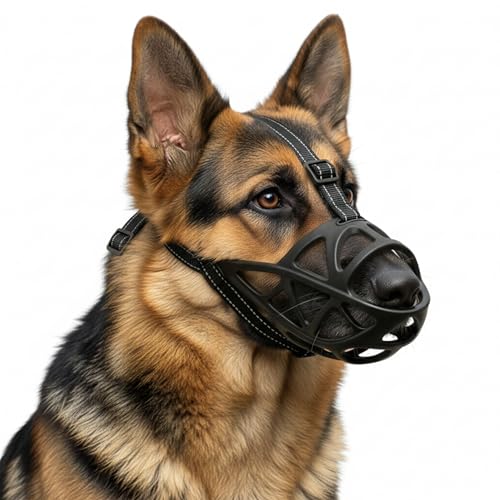
A cage-like muzzle that allows full panting, drinking, and treat-taking. Made from rubber, silicone, or wire. Best for cold weather because it doesn't restrict airflow and materials can be chosen for cold resistance.

Best for: Dogs that need to wear a muzzle for extended periods in cold weather, such as during winter training or walks.

Soft Muzzle

A fabric muzzle that wraps around the snout, usually made of nylon or mesh. It prevents biting but restricts panting and drinking. Some have neoprene padding for warmth.

Best for: Short-term use in cold weather, such as vet visits or grooming, where warmth is needed but panting is less critical.

Wire Basket Muzzle

A metal basket muzzle that is extremely durable and allows maximum airflow. Powder-coated wire resists rust and cold. It can be heavy and cold to the touch.

Best for: Heavy chewers or strong dogs that need a robust muzzle in cold weather, where durability is prioritized over weight.

Leather Muzzle

A classic muzzle made from leather, which can be stiff in cold and may crack. It offers a snug fit and can be lined for warmth. Requires conditioning to stay flexible.

Best for: Dogs that are used to leather muzzles and owners willing to maintain them for cold weather use.
The Rankings

Top 5 Picks

#1
Baskerville Ultra Muzzle
Best Overall

Baskerville Ultra Muzzle

View on Amazon

The Baskerville Ultra Muzzle is made from soft, flexible rubber that stays pliable in cold weather, unlike hard plastic. It allows panting and drinking, and its basket design prevents biting while letting your dog breathe freely. The adjustable head strap ensures a secure fit. One limitation is that the rubber can absorb odors over time, requiring regular cleaning.

#2
Jubilant Pet Muzzle with Neoprene Padding
Best for Cold Comfort

Jubilant Pet Muzzle with Neoprene Padding

View on Amazon

This muzzle features neoprene padding on the snout and behind the ears, providing insulation and preventing chafing during winter walks. The breathable mesh allows panting, and the reflective trim enhances visibility. However, the neoprene can retain moisture, so it needs to be dried thoroughly after use to prevent freezing.

#3
Coastal Pet Products Basket Muzzle
Best Budget

Coastal Pet Products Basket Muzzle

View on Amazon

Made from durable, cold-resistant plastic, this basket muzzle offers a secure fit with an adjustable strap. It allows panting and drinking, and its open design is easy to clean. The plastic can become slightly stiff in extreme cold but remains functional. It lacks padding, so it may not be as comfortable for extended wear.

#4
PetSafe Soft Muzzle
Best for Short Snouts

PetSafe Soft Muzzle

View on Amazon

Designed for brachycephalic breeds, this soft muzzle uses breathable nylon that doesn't freeze in cold weather. It prevents biting while allowing panting, and its padded nose area adds comfort. The limitation is that it restricts drinking and treat-taking more than basket muzzles, so it's best for short-term use.

#5
J&J Dog Supplies Wire Basket Muzzle
Best for Heavy Chewers

J&J Dog Supplies Wire Basket Muzzle

View on Amazon

Constructed from powder-coated wire, this muzzle is extremely durable and won't crack in cold temperatures. It allows full panting and drinking, and the open design makes it easy to give treats. The metal can get cold to the touch, but the included rubber tips help. It is heavier than other options, which may be a concern for small dogs.

Before You Buy

Key Buying Factors

01

Material Flexibility in Cold

Rubber and silicone muzzles maintain flexibility in freezing temperatures, while hard plastic can become brittle and crack. Choose a muzzle made from cold-resistant materials to ensure safety and comfort.

02

Panting and Drinking Ability

Dogs regulate body temperature through panting, even in cold weather. A muzzle must allow the dog to open its mouth sufficiently to pant and drink water. Basket muzzles are best for this, while soft muzzles may restrict airflow.

03

Insulation and Padding

Neoprene or fleece padding provides warmth and prevents chafing from cold straps. However, padding can absorb moisture and freeze, so look for quick-drying materials or removable liners.

04

Escape Resistance

A secure fit with a strap behind the ears prevents the dog from pawing off the muzzle. Cold weather can make dogs more determined to remove muzzles, so a snug but comfortable fit is crucial.

05

Visibility in Low Light

Winter days are shorter, and walks often occur in dim light. Reflective stitching or attachment points for a light improve visibility and safety. Some muzzles come in bright colors for added visibility.

Living With It

Care, Cost and Maintenance

Cleaning After Cold Walks

After each use, wipe down the muzzle with a damp cloth to remove snow, ice, and dirt. For rubber or silicone muzzles, use mild soap and water. Dry thoroughly before storing to prevent freezing and bacterial growth. Neoprene padding should be air-dried away from direct heat.

Storage in Cold Climates

Store the muzzle indoors at room temperature. Avoid leaving it in a car or garage where temperatures can drop below freezing, as this can cause materials to become brittle. Keep it in a breathable bag to prevent moisture buildup.

Inspecting for Wear

Regularly check for cracks, tears, or stiff spots, especially after exposure to cold. Rubber muzzles may develop small cracks over time. Replace the muzzle if any damage is found to ensure safety and effectiveness.

Pro tip

Before a cold-weather walk, warm the muzzle slightly by holding it under your coat for a minute to make it more comfortable for your dog.

Frequently asked questions

How do I measure my dog for a cold weather muzzle?
Measure the circumference of your dog's snout at the widest point, just below the eyes. Also measure the length from the nose to the eyes. For basket muzzles, ensure there is at least 1 to 2 inches of extra length for panting. Use a flexible tape measure and refer to the manufacturer's sizing chart. A proper fit allows the dog to open its mouth slightly and take treats, but prevents the muzzle from slipping off.
Are cold weather muzzles effective for no-pull training?
Muzzles are primarily for safety, not for no-pull training. Some muzzles have a loop to attach a leash, which can give more control, but this should not be used as a primary no-pull method. For pulling issues, consider a front-clip harness or head halter. A muzzle can be used alongside training to prevent biting during stressful situations, but it does not address pulling behavior directly.
How can I make a muzzle escape-proof in cold weather?
Choose a muzzle with a secure strap that goes behind the ears, and ensure it is adjusted snugly but not tight. Some muzzles have a second strap that attaches to the collar for extra security. In cold weather, dogs may try to rub the muzzle off against snow. A properly fitted basket muzzle with a neck strap is most escape-resistant. Check the fit regularly as cold can cause materials to contract.
Should I use a harness or collar with a cold weather muzzle?
A harness is generally recommended with a muzzle because it distributes pressure evenly and prevents choking if the dog pulls. Some muzzles have a D-ring to attach the leash, but it's safer to attach the leash to a separate harness. A collar can be used for identification, but avoid attaching the leash to the muzzle alone as it can cause injury.
What materials are best for cold weather muzzles?
Rubber and silicone are best because they remain flexible in cold temperatures and are less likely to crack. Neoprene padding adds warmth and comfort. Wire basket muzzles are durable but can get cold; some have rubber tips. Avoid hard plastic that can become brittle. Leather muzzles require conditioning and may stiffen in cold. Always check the manufacturer's temperature recommendations.
How do I wash a cold weather muzzle?
For rubber or silicone muzzles, hand wash with mild soap and warm water, then rinse thoroughly. For neoprene padding, use a gentle detergent and air dry. Wire muzzles can be rinsed with water and dried with a cloth. Avoid machine washing unless specified. Dry completely before storing to prevent freezing and odors. Some muzzles are dishwasher safe on the top rack.
Can small dogs use the same cold weather muzzles as large dogs?
No, muzzles must be sized specifically for the dog's snout. Small dogs have shorter and narrower snouts, so they require muzzles designed for small breeds. Many brands offer sizes from extra small to extra large. For brachycephalic breeds like pugs, look for muzzles with extra panting space. Always measure your dog and check the sizing guide before purchasing.
Is it safe to leave a muzzle on a dog in cold weather for long periods?
No, muzzles should not be left on for extended periods, especially in cold weather. Dogs need to pant, drink, and eat. Continuous wear can lead to hypothermia if the muzzle restricts panting, or frostbite if moisture freezes on the muzzle. Use muzzles only during specific activities like walks or vet visits, and remove them indoors. Monitor your dog for signs of discomfort.
What safety concerns should I watch for with muzzles in winter?
Ensure the muzzle does not restrict breathing or panting, as dogs need to regulate temperature. Check for ice buildup on the muzzle that can cause chafing or freezing. Reflective features are important for low-light visibility. Never use a muzzle that is too tight; it can cause sores or restrict blood flow. If your dog shows signs of distress, remove the muzzle immediately.
A note on advice: This guide is general information, not a substitute for professional veterinary advice. Talk to your vet before changing your dog's diet or care routine, especially if your dog has allergies, kidney disease, pancreatitis, obesity, heart disease or any other medical condition.
Transparency

How we made this guide

How we chose. We compared the options on the factors that matter most for Dog Care Products, using manufacturer specifications, aggregated verified owner reviews and editorial comparison. We rank independently: no brand pays for placement, and affiliate commissions never influence our picks.

How it was written. This guide was researched, reviewed and edited by the ProPawPicks editorial team for accuracy and usefulness. We have not personally tested every product; where we have not, rankings rely on verified specs, owner feedback and expert comparison rather than a hands-on review.

Affiliate disclosure. ProPawPicks is reader-supported. If you buy through links on our site, we may earn a commission at no extra cost to you. See our affiliate disclosure.

Keep Reading

More Dog Care Products guides

Stop Wasting Treats: 5 Best Interactive Dog Cameras 2026View picks โ†’Interactive Dog Toys for Boredom: Our ShortlistView picks โ†’Interactive Dog Toys, ComparedView picks โ†’Picking Invisible Dog Fence for AllergiesView picks โ†’Invisible Dog Fence for Large Dogs: 5 Best Picks (2026)View picks โ†’Expert Picks: Best Invisible Dog Fence for the Money 2026View picks โ†’

Sources and further reading

Some links below are affiliate links. If you buy through them we may earn a small commission at no extra cost to you. Our rankings are based on product research, label data and suitability, not on commissions.