๐Ÿ† Complete Buyer's Guide ยท Dog Care Products

Finding the Best Dog Playpen for Escape Artists

Escape artists exploit weak latches and gaps; reinforce safety with the MidWest iCrate. Our 5 top picks with heavy-gauge materials prevent injuries from escape attempts.

Some links below are affiliate links. If you buy through them we may earn a small commission at no extra cost to you. Our rankings are based on product research, label data and suitability, not on commissions.

MidWest Homes for Pets iCrate Fold & Carry Double Door Dog Crate โ˜… Top Pick: MidWest Homes for Pets iCrate Fold & Carry Double Dโ€ฆ Check Price on Amazon →
30 inches
Recommended minimum height for playpen to prevent jumping
2 inches
Maximum gap between bars to prevent escape
4 to 6 hours
Maximum recommended time for crate confinement
10%
Estimated percentage of dogs that are escape artists
โšก Key takeaways
  • Best Overall: MidWest Homes for Pets iCrate Fold & Carry Double Door Dog Crate. This crate features secure slide-bolt latches on both doors, making it difficult for escap.
  • Best for Car Travel: Gunner G1 Kennel. The Gunner G1 is crash-tested and made from impact-resistant rotomolded plastic, offering.
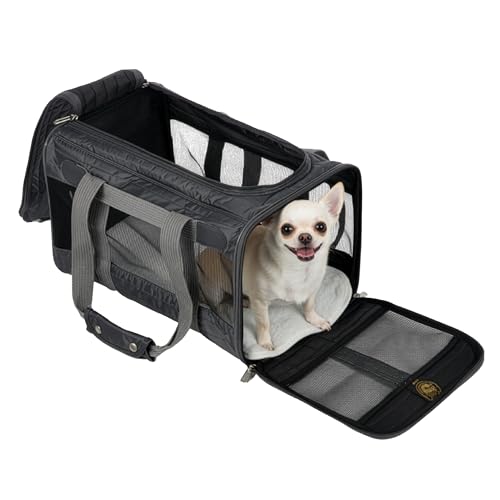
  • Best for Airline: Sherpa Original Deluxe Pet Carrier. This soft-sided carrier is airline-approved and features lockable zippers that can be secu.
  • Best Budget: Frisco Heavy Duty Wire Dog Crate. This crate offers heavy-duty wire construction with a locking door that has a secure slide.
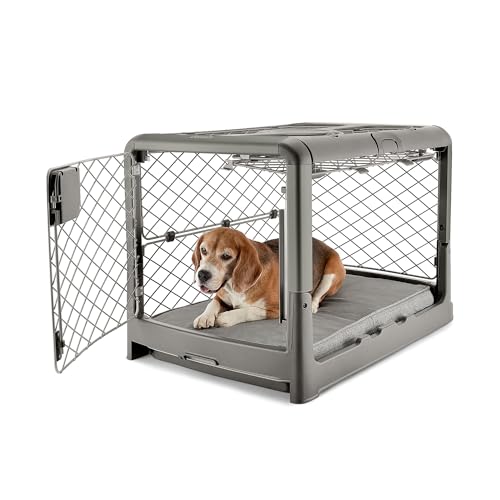
  • Best for Large Dogs: Diggs Revol Dog Crate. The Diggs Revol is designed with escape-proof features such as reinforced corners and a se.
At a Glance

Quick Comparison

Quick answer

The best dog playpen for escape artists is the MidWest Homes for Pets iCrate Fold & Carry Double Door Dog Crate for its sturdy construction and secure slide-bolt latches. If you need a portable option for travel, the Gunner G1 Kennel offers crash-tested security. For a budget-friendly but durable choice, the Frisco Heavy Duty Wire Dog Crate provides excellent value.

What to consider for Dog Playpen For Escape Artists

Escape artists require a playpen that goes beyond basic containment. Look for heavy-gauge wire or solid panels with no gaps wider than 2 inches. Latches should be secure and not easily manipulated by paws or noses. Consider a playpen with a locking mechanism that requires two steps to open. The base should be sturdy to prevent tipping. For outdoor use, anchor stakes are essential. Also, ensure the playpen is tall enough to prevent jumping; a height of at least 30 inches is recommended for most dogs.

What to look for in a travel or containment product (crate, carrier, gate or car seat)

When choosing a travel or containment product for an escape artist, prioritize security features. For crates, look for heavy-duty metal construction with reinforced doors and double latches. Ensure the crate is the correct size: the dog should be able to stand, turn around, and lie down comfortably. Good ventilation is crucial, especially in warm weather. For carriers, check that zippers are lockable or have a security clip. Crash-tested products like the Gunner G1 offer peace of mind for car travel. Easy cleaning is important; removable trays or washable liners help. Portability matters if you travel frequently; foldable crates are convenient.

How we chose these picks

  • Evaluated security features: latch type, material gauge, and escape-proof design.
  • Considered product reviews from verified purchasers on Amazon, focusing on feedback from owners of escape artists.
  • Checked for certifications such as CPS crash-testing or airline approval.
  • Assessed durability of materials: steel, aluminum, or high-impact plastic.
  • Compared price points to ensure options for different budgets.
  • Included products that accommodate a range of dog sizes, from small to large.
  • Never ranked a product higher just because it pays a commission.

What to avoid

  • A crate or carrier too small for the dog to stand and turn around in.
  • Unsecured carriers in a moving car; always use a seatbelt or tie-down.
  • Flimsy gates that a determined dog can push through or knock over.
  • Over-long crating; dogs should not be confined for more than 4 to 6 hours at a time without a break.

For more helpful guides, visit our dog guides, dog care products, and dog health sections.

Why this matters

Escape artists often exploit weak latches and gaps; investing in a crate with reinforced locking mechanisms and heavy-gauge materials can prevent injuries from escape attempts.

The Options

Types Explained

Wire Crates

Wire crates are popular for their durability and ventilation. They often have a removable tray for cleaning and fold flat for storage. Look for models with secure latches and heavy-gauge wire to resist bending.

Best for: Home use and general containment; suitable for dogs that are not heavy chewers.

Plastic Kennels

Plastic kennels are typically used for air travel and car travel. They provide a den-like environment and are more secure against escape if the locking mechanisms are robust. Some are crash-tested.

Best for: Travel, especially airline travel, and dogs that prefer enclosed spaces.

Soft-Sided Carriers

Soft-sided carriers are lightweight and portable, often airline-approved. They have mesh panels for ventilation and can be secured with lockable zippers. However, they are not chew-proof and may not hold determined escape artists.

Best for: Small dogs and calm travelers; not recommended for escape artists or chewers.

Exercise Pens

Exercise pens (playpens) are freestanding enclosures made of wire or plastic panels. They provide more space than crates and are great for supervised play. For escape artists, choose tall pens with secure locking pins and consider anchoring them.

Best for: Indoor or outdoor play areas where the dog needs room to move but must be contained.
The Rankings

Top 5 Picks

#1
MidWest Homes for Pets iCrate Fold & Carry Double Door Dog Crate
Best Overall

MidWest Homes for Pets iCrate Fold & Carry Double Door Dog Crate

View on Amazon

This crate features secure slide-bolt latches on both doors, making it difficult for escape artists to open. The durable wire construction and reinforced frame provide stability. It includes a divider panel for growing puppies and a removable plastic pan for easy cleaning. The fold-and-carry design is convenient for travel. However, the pan may be chewed by aggressive chewers, so consider a metal pan replacement.

#2
Gunner G1 Kennel
Best for Car Travel

Gunner G1 Kennel

View on Amazon

The Gunner G1 is crash-tested and made from impact-resistant rotomolded plastic, offering superior protection in a vehicle. Its patented locking system and aircraft-grade hardware prevent escapes. The kennel is well-ventilated and comes with a non-slip floor. It is heavy and expensive, but for owners who prioritize safety and security during travel, it is unmatched.

#3
Sherpa Original Deluxe Pet Carrier
Best for Airline

Sherpa Original Deluxe Pet Carrier

View on Amazon

This soft-sided carrier is airline-approved and features lockable zippers that can be secured with small padlocks (not included) to deter escape attempts. The mesh panels provide ventilation, and the carrier has a padded shoulder strap for comfort. It is best for small dogs under 22 pounds. A limitation is that determined dogs may be able to push against the mesh, so it is not suitable for heavy chewers.

#4
Frisco Heavy Duty Wire Dog Crate
Best Budget

Frisco Heavy Duty Wire Dog Crate

View on Amazon

This crate offers heavy-duty wire construction with a locking door that has a secure slide-bolt latch. It includes a divider panel and a leak-proof plastic pan. The crate is easy to assemble and foldable for storage. While it is affordable and sturdy, the wire gauge is not as thick as premium models, and the pan may be chewed by persistent dogs. Still, it provides excellent value for the price.

#5
Diggs Revol Dog Crate
Best for Large Dogs

Diggs Revol Dog Crate

View on Amazon

The Diggs Revol is designed with escape-proof features such as reinforced corners and a secure locking mechanism. It is made from heavy-duty steel and has a sleek, modern look. The crate is collapsible for easy storage and includes a comfortable bed. It is on the pricier side, but its durability and security make it ideal for large escape artists. One trade-off is that assembly requires some effort.

Before You Buy

Key Buying Factors

01

Latch Security

Escape artists can manipulate simple latches. Look for slide-bolt latches, double-locking mechanisms, or padlock-compatible closures. Some crates have patented locking systems that are nearly impossible for dogs to open.

02

Material Strength

Heavy-gauge steel or impact-resistant plastic is essential. Thin wire can be bent or broken. For playpens, consider reinforced panels or welded construction. Avoid flimsy materials that can be chewed or pushed apart.

03

Size and Height

The playpen should be tall enough to prevent jumping (at least 30 inches for most dogs). Ensure the dog cannot climb or push over the sides. For crates, the dog must be able to stand and turn comfortably.

04

Portability and Setup

If you travel, a foldable or collapsible design is convenient. Some crates are heavy but offer crash-tested safety. Consider how easy it is to set up and take down, especially if you need to move it frequently.

05

Ease of Cleaning

Removable trays or washable liners simplify cleanup. For playpens, look for a waterproof base or easy-to-wipe surfaces. Good hygiene prevents odors and bacteria buildup.

Living With It

Care, Cost and Maintenance

Cleaning and Maintenance

Regularly clean the crate or playpen to prevent dirt buildup and odors. For wire crates, remove the tray and wash with mild soap and water. Wipe down bars with a pet-safe disinfectant. Plastic kennels can be hosed off. Soft carriers should be spot-cleaned or machine-washed according to manufacturer instructions. Check latches and hinges periodically for wear.

Inspection for Wear

Inspect the crate or playpen regularly for signs of damage. Look for bent bars, broken latches, or chewed edges. For soft carriers, check zippers and seams. Replace any compromised parts immediately to prevent escape. Pay special attention to areas where your dog has previously attempted to escape.

Proper Use and Training

Introduce the crate or playpen gradually with positive reinforcement. Never use it as punishment. Ensure the dog has access to water and is not confined for too long. For playpens, supervise initially to ensure the dog cannot climb or tip it. Use treats and toys to create a positive association.

Pro tip

Use a carabiner clip to secure the crate door latch for an extra layer of security, especially if your dog has learned to slide bolts.

Frequently asked questions

How do I choose the right size crate for my dog?
Measure your dog from the tip of the nose to the base of the tail, and from the floor to the top of the head (or ears if they stand up). Add 2 to 4 inches to both measurements to ensure the dog can stand, turn around, and lie down comfortably. For crates, the dog should be able to stretch out fully. For playpens, ensure the height is at least as tall as your dog's standing height plus a few inches to prevent jumping out.
How can I keep my dog safe in the car with a crate?
Use a crash-tested crate like the Gunner G1 or a carrier that has been certified by the Center for Pet Safety. Secure the crate with seatbelts or tie-down straps to prevent it from sliding. Never place an unsecured carrier on the seat. Ensure the crate is well-ventilated and not in direct sunlight. For small dogs, a car seat harness may be an option, but for escape artists, a crate is more secure.
What are the airline rules for pet carriers?
Most airlines require a soft-sided carrier that fits under the seat in front of you. Dimensions vary by airline, but typical maximums are around 18 x 11 x 11 inches. The carrier must be well-ventilated and have a leak-proof bottom. Your dog must be able to stand and turn around. Check with your specific airline for exact requirements. Hard-sided kennels are usually required for cargo travel.
How long can I leave my dog in a crate?
Puppies under 6 months should not be crated for more than 3 to 4 hours at a time. Adult dogs can typically handle 4 to 6 hours, but no more than 8 hours overnight. Crating for longer periods can lead to physical and behavioral issues. Always provide a potty break before and after crating. If you need to be away longer, consider a dog sitter or daycare.
What ventilation is important in a crate or carrier?
Good ventilation prevents overheating and ensures fresh air flow. Look for crates with windows or mesh panels on multiple sides. Wire crates naturally offer excellent ventilation. For plastic kennels, ensure there are ventilation slots on the sides and top. Avoid covering the crate with blankets that block airflow. In hot weather, never leave your dog in a crate in a parked car.
How can I escape-proof my dog's crate?
Use zip ties or carabiners to reinforce the door latches. Some crates have holes for padlocks; use small padlocks to secure the door. For wire crates, ensure the pan is securely clipped in place so the dog cannot push it out. Consider a crate with a double-door design where both doors can be locked. For playpens, anchor them to the ground or use heavy objects to weigh them down.
Should I choose a soft-sided or hard-sided carrier?
Soft-sided carriers are lightweight, portable, and often airline-approved. They are best for calm, small dogs that do not chew. Hard-sided carriers (plastic or metal) are more durable and secure, making them better for escape artists. Hard-sided carriers also provide better protection in a car crash. However, they are heavier and bulkier. Choose based on your dog's temperament and travel needs.
What safety concerns should I watch for with crates and playpens?
Ensure there are no sharp edges or protruding parts that could injure your dog. Check that the crate or playpen is stable and cannot tip over. For playpens, make sure the dog cannot get its head stuck between bars. Never leave a collar on your dog while crated, as it can get caught. Monitor the temperature and provide adequate ventilation. Always supervise your dog when using a playpen initially.
How do I train my dog to accept a crate or playpen?
Start by placing treats and toys inside to create positive associations. Leave the door open initially and let your dog explore. Gradually close the door for short periods while you are present. Increase the duration slowly. Never force your dog in or use the crate as punishment. For playpens, set it up in a familiar area and spend time inside with your dog. Consistency and patience are key.
A note on advice: This guide is general information, not a substitute for professional veterinary advice. Talk to your vet before changing your dog's diet or care routine, especially if your dog has allergies, kidney disease, pancreatitis, obesity, heart disease or any other medical condition.
Transparency

How we made this guide

How we chose. We compared the options on the factors that matter most for Dog Care Products, using manufacturer specifications, aggregated verified owner reviews and editorial comparison. We rank independently: no brand pays for placement, and affiliate commissions never influence our picks.

How it was written. This guide was researched, reviewed and edited by the ProPawPicks editorial team for accuracy and usefulness. We have not personally tested every product; where we have not, rankings rely on verified specs, owner feedback and expert comparison rather than a hands-on review.

Affiliate disclosure. ProPawPicks is reader-supported. If you buy through links on our site, we may earn a commission at no extra cost to you. See our affiliate disclosure.

Keep Reading

More Dog Care Products guides

Insulated Dog Jackets: 4 Best Picks Reviewed for 2026View picks โ†’Stop Wasting Treats: 5 Best Interactive Dog Cameras 2026View picks โ†’Interactive Dog Toys for Boredom: Our ShortlistView picks โ†’Interactive Dog Toys, ComparedView picks โ†’Invisible Dog Fence for Large Dogs: 5 Best Picks (2026)View picks โ†’2026 Puppy Fence Guide: 5 Top Invisible Dog Fences ReviewedView picks โ†’

Sources and further reading

Some links below are affiliate links. If you buy through them we may earn a small commission at no extra cost to you. Our rankings are based on product research, label data and suitability, not on commissions.