๐Ÿ† Complete Buyer's Guide ยท Dog Care Products

Dog Puzzle Toy for Puppies: 5 Best 2026 Picks

Puzzle toys build cognitive skills and reduce stress in puppies. See how the Outward Hound Nina Ottosson Dog Tornado Puzzle compares to 4 other top picks for 2026.

Some links below are affiliate links. If you buy through them we may earn a small commission at no extra cost to you. Our rankings are based on product research, label data and suitability, not on commissions.

Outward Hound Nina Ottosson Dog Tornado Puzzle โ˜… Top Pick: Outward Hound Nina Ottosson Dog Tornado Puzzle Check Price on Amazon →
6+ months
Recommended Age
5 to 15 minutes
Average Play Session
3.5 to 5 inches
Typical Toy Diameter
Non-toxic
Material Safety
โšก Key takeaways
  • Best Overall: Outward Hound Nina Ottosson Dog Tornado Puzzle. This interactive puzzle features spinning tiers and compartments that challenge your puppy.
  • Best for Aggressive Chewers: KONG Puppy Toy. Made from softer puppy rubber, this classic toy is perfect for teething and can be stuffed.
  • Best Dental Chew: Nylabone Puppy Teething Pacifier. This textured chew toy soothes sore gums and helps clean teeth as puppies chew.
  • Best Budget: PetSafe Busy Buddy Tug-A-Jug. This treat-dispensing toy combines a rope and a jug that releases kibble as the puppy bats.
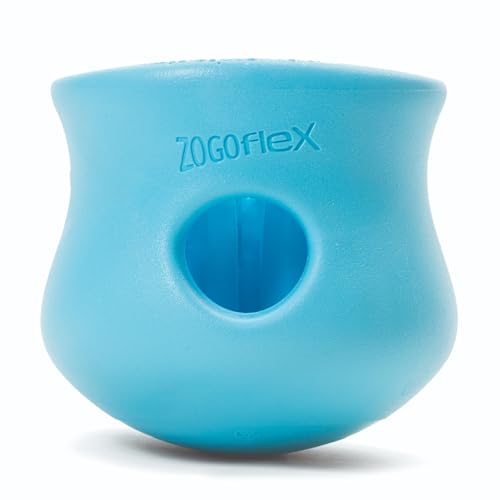
  • Best Puzzle Toy: West Paw Zogoflex Toppl. This flexible, dishwasher-safe toy can be stuffed with treats and frozen for longer engage.
At a Glance

Quick Comparison

Quick answer

The best dog puzzle toy for puppies is the Outward Hound Nina Ottosson Dog Tornado Puzzle. It offers adjustable difficulty, is made from non-toxic materials, and teaches problem-solving. For heavy chewers, the KONG Puppy Toy is a better fit, while the Nylabone Puppy Teething Pacifier is ideal for soothing sore gums.

What to consider for Dog Puzzle Toy For Puppies

Puppies have sharp baby teeth that need gentle surfaces. Choose puzzle toys made from soft, non-toxic materials like puppy-grade rubber or flexible nylon. Avoid hard plastics that can damage teeth. Size matters: the toy should be too large to swallow but small enough for a puppy mouth. Look for adjustable difficulty levels to grow with your pup’s skills. Treat-dispensing puzzles should have openings that release kibble easily without frustration. Always supervise initial play to ensure the toy is not chewed into pieces.

What to look for in a toy or chew (chew toy, puzzle, lick mat or dental chew)

First, size appropriate to the dog to avoid choking. Second, durability matched to chew strength; puppies have softer jaws so moderate durability is fine. Third, non-toxic materials free of BPA, phthalates, and lead. Fourth, for dental chews, look for VOHC seal to ensure effectiveness. Fifth, genuine enrichment value: the toy should challenge the puppy mentally, not just dispense treats. A good puzzle toy encourages problem-solving and can be used with kibble or peanut butter.

How we chose these picks

  • Evaluated product safety: non-toxic materials and no small parts.
  • Assessed durability for puppy chewing strength.
  • Considered age appropriateness: suitable for teething puppies.
  • Checked for mental enrichment: puzzles that require problem-solving.
  • Reviewed customer feedback on engagement and longevity.
  • Ensured availability on Amazon with consistent stock.
  • Compared price to value: affordable options included.
  • Never ranked a product higher just because it pays a commission.

What to avoid

  • Toys small enough to swallow or choke on; always size up.
  • Hard chews that can crack puppy teeth; avoid antlers, bones, or hard nylon.
  • Falling-apart toys that shed pieces; inspect for loose parts.
  • Leaving a heavy chewer unsupervised with any toy; always monitor.

For more guidance, check our dog guides, dog care products, and dog nutrition sections.

Why this matters

Puzzle toys not only entertain puppies but also build cognitive skills and confidence. A study by the University of Bristol found that dogs who engage in problem-solving activities show lower stress levels and fewer behavioral issues.

The Options

Types Explained

Interactive Puzzle Toys

Toys that require the puppy to manipulate parts to release treats. They often have sliding compartments, spinning tiers, or flaps. Best for mental stimulation and slowing down fast eaters.

Best for: Puppies that need mental challenges and are not heavy chewers.

Treat-Dispensing Chew Toys

Durable rubber or nylon toys with hollow centers that can be stuffed with treats or peanut butter. They combine chewing with reward. Some can be frozen for longer play.

Best for: Teething puppies and those who enjoy chewing for comfort.

Dental Chew Toys

Textured toys designed to clean teeth and massage gums as the puppy chews. They often have nubs or ridges. Some are flavored to encourage chewing.

Best for: Puppies that need oral care and gentle gum relief.

Lick Mats

Flat silicone mats with grooves that hold spreadable treats like peanut butter or yogurt. They provide soothing licking activity and can be frozen. Great for calming anxious puppies.

Best for: Puppies that are anxious or need a calming activity.
The Rankings

Top 5 Picks

#1
Outward Hound Nina Ottosson Dog Tornado Puzzle
Best Overall

Outward Hound Nina Ottosson Dog Tornado Puzzle

View on Amazon

This interactive puzzle features spinning tiers and compartments that challenge your puppy to problem-solve for treats. Made from non-toxic, BPA-free materials, it is safe for teething pups. The difficulty can be adjusted by adding or removing bone blocks. However, it is not suitable for aggressive chewers who may break the plastic parts.

#2
KONG Puppy Toy
Best for Aggressive Chewers

KONG Puppy Toy

View on Amazon

Made from softer puppy rubber, this classic toy is perfect for teething and can be stuffed with kibble or peanut butter for mental stimulation. It satisfies the urge to chew and bounces unpredictably for fetch. The only limitation is that it does not offer complex puzzle challenges beyond treat dispensing.

#3
Nylabone Puppy Teething Pacifier
Best Dental Chew

Nylabone Puppy Teething Pacifier

View on Amazon

This textured chew toy soothes sore gums and helps clean teeth as puppies chew. It is made from durable nylon that is gentle on baby teeth. The handle makes it easy for puppies to hold. However, it is not a puzzle toy and provides limited mental enrichment beyond chewing.

#4
PetSafe Busy Buddy Tug-A-Jug
Best Budget

PetSafe Busy Buddy Tug-A-Jug

View on Amazon

This treat-dispensing toy combines a rope and a jug that releases kibble as the puppy bats it around. It encourages active play and problem-solving. The rope can be used for tug-of-war. On the downside, the plastic jug may crack if chewed aggressively, so it is best for moderate chewers.

#5
West Paw Zogoflex Toppl
Best Puzzle Toy

West Paw Zogoflex Toppl

View on Amazon

This flexible, dishwasher-safe toy can be stuffed with treats and frozen for longer engagement. Its unique shape makes it challenging for puppies to extract food. Made from non-toxic, recyclable material, it is durable yet gentle on teeth. However, it is not as complex as multi-step puzzles.

Before You Buy

Key Buying Factors

01

Material Safety

Ensure the toy is made from non-toxic, BPA-free, and phthalate-free materials. Puppies mouth everything, so safe materials are crucial. Look for FDA-compliant or food-grade plastics and natural rubbers.

02

Difficulty Level

Puzzle toys should match your puppy's cognitive ability. Adjustable difficulty allows the toy to grow with your pup. Start with easy puzzles and gradually increase complexity to prevent frustration.

03

Durability

Puppies have sharp teeth but not strong jaws. Choose toys that are durable enough to withstand chewing but not so hard that they damage teeth. Soft rubber or flexible nylon are ideal.

04

Size Appropriateness

The toy should be too large to swallow but small enough for a puppy to carry. A good rule is the toy should not fit entirely in the puppy's mouth. Check dimensions before buying.

05

Cleaning Ease

Puzzle toys with crevices can trap food and bacteria. Dishwasher-safe toys are easiest to clean. For others, use a bottle brush and warm soapy water. Regular cleaning prevents mold and odors.

Living With It

Care, Cost and Maintenance

Cleaning

Wash puzzle toys after each use to prevent bacteria growth. Most rubber and silicone toys are dishwasher safe on the top rack. For hand washing, use warm water and mild soap, then rinse thoroughly. Avoid harsh chemicals.

Inspection

Regularly check toys for signs of wear, such as cracks, loose pieces, or torn edges. Replace any toy that shows damage to prevent choking hazards. Puppies grow quickly, so reassess size and durability as they age.

Storage

Store toys in a clean, dry place away from direct sunlight to prevent material degradation. Rotate toys every few days to maintain novelty. Avoid leaving treat-stuffed toys out for more than a day to prevent spoilage.

Pro tip

Rotate puzzle toys every few days to keep them novel. Freeze treat-stuffed toys for a longer-lasting challenge that also soothes teething gums.

Frequently asked questions

Are puzzle toys safe for heavy chewers?
Puzzle toys made from hard plastic or thin materials can break and pose a choking risk for heavy chewers. For aggressive chewers, choose toys made from durable rubber like KONG or West Paw. Always supervise your puppy during play and inspect the toy regularly for damage. If your puppy is a heavy chewer, avoid puzzle toys with small parts that can be chewed off.
How do I size a puzzle toy for my puppy?
The toy should be large enough that it cannot be swallowed whole but not so large that your puppy cannot manipulate it. A good rule is the toy should be bigger than your puppy's mouth opening. For small breeds, choose toys around 3 to 4 inches; for larger breeds, 5 inches or more. Always follow the manufacturer's weight recommendations.
Should I supervise my puppy with puzzle toys?
Yes, always supervise your puppy with any toy, especially puzzle toys that contain small parts or treat compartments. Puppies can accidentally ingest pieces if they chew aggressively. Supervision allows you to intervene if the toy breaks or if your puppy gets stuck. Remove the toy once your puppy loses interest to prevent obsessive chewing.
What are the benefits of dental chew toys for puppies?
Dental chew toys help clean teeth by scraping away plaque and tartar as the puppy chews. They also massage gums, which can soothe teething pain. Look for toys with the VOHC seal for proven effectiveness. However, they should not replace regular brushing. Always choose a chew that is soft enough for puppy teeth to avoid damage.
Can puzzle toys help with puppy boredom?
Yes, puzzle toys provide mental stimulation that tires out a puppy more than physical exercise alone. They challenge the puppy to solve problems, which reduces destructive behaviors like chewing furniture. For best results, rotate puzzles to maintain novelty. Start with simple puzzles and increase difficulty as your puppy learns.
What is the difference between digestible and non-digestible chews?
Digestible chews, like certain dental sticks, are meant to be eaten and break down in the stomach. Non-digestible chews, like rubber toys, are not meant to be consumed. For puppies, non-digestible chews are safer because they cannot be swallowed whole. Always choose non-digestible puzzle toys to avoid intestinal blockages.
How do I clean puzzle toys?
Most rubber and silicone puzzle toys can be washed in the top rack of the dishwasher. For toys with crevices, use a bottle brush to remove trapped food. Hand wash with warm soapy water and rinse thoroughly. Avoid using bleach or harsh chemicals. Dry completely before storing to prevent mold.
At what age can puppies start using puzzle toys?
Puppies can start using simple puzzle toys as early as 8 weeks old. At this age, they are curious and learning. Choose toys that are easy to manipulate, like a treat-dispensing ball or a basic puzzle with large compartments. Always supervise and ensure the toy is size-appropriate. As they grow, introduce more complex puzzles.
What safety concerns should I watch for with puzzle toys?
The main concerns are choking on small parts, ingestion of non-digestible materials, and tooth damage from hard toys. Always choose toys made from non-toxic materials. Inspect toys regularly for wear. Avoid toys with strings or ribbons that can cause intestinal issues. If your puppy swallows a piece, contact your veterinarian immediately.
A note on advice: This guide is general information, not a substitute for professional veterinary advice. Talk to your vet before changing your dog's diet or care routine, especially if your dog has allergies, kidney disease, pancreatitis, obesity, heart disease or any other medical condition.
Transparency

How we made this guide

How we chose. We compared the options on the factors that matter most for Dog Care Products, using manufacturer specifications, aggregated verified owner reviews and editorial comparison. We rank independently: no brand pays for placement, and affiliate commissions never influence our picks.

How it was written. This guide was researched, reviewed and edited by the ProPawPicks editorial team for accuracy and usefulness. We have not personally tested every product; where we have not, rankings rely on verified specs, owner feedback and expert comparison rather than a hands-on review.

Affiliate disclosure. ProPawPicks is reader-supported. If you buy through links on our site, we may earn a commission at no extra cost to you. See our affiliate disclosure.

Keep Reading

More Dog Care Products guides

Insulated Dog Jackets: 4 Best Picks Reviewed for 2026View picks โ†’Stop Wasting Treats: 5 Best Interactive Dog Cameras 2026View picks โ†’Interactive Dog Toys, ComparedView picks โ†’Invisible Dog Fence for Large Dogs: 5 Best Picks (2026)View picks โ†’Best Invisible Dog Fence for Small Dogs 2026: 5 Top Picks ReviewedView picks โ†’Expert Picks: Best Invisible Dog Fence for the Money 2026View picks โ†’

Sources and further reading

Some links below are affiliate links. If you buy through them we may earn a small commission at no extra cost to you. Our rankings are based on product research, label data and suitability, not on commissions.