๐Ÿ† Complete Buyer's Guide ยท Dog Care Products

What to Know About Dog Seat Belt for First Time Owners

Choosing a crash-tested seat belt like Kurgo Go-Tech reduces injury risk. Never attach to a collar. Compare top picks for safe car travel with your dog.

Some links below are affiliate links. If you buy through them we may earn a small commission at no extra cost to you. Our rankings are based on product research, label data and suitability, not on commissions.

Kurgo Go-Tech Dog Seat Belt โ˜… Top Pick: Kurgo Go-Tech Dog Seat Belt Check Price on Amazon →
5
Picks Compared
10 to 22 inches
Tether Length Range
Up to 110 lbs
Max Dog Weight
Stainless Steel
Clip Material
โšก Key takeaways
  • Best Overall: Kurgo Go-Tech Dog Seat Belt. This seat belt is crash-tested and features a strong, rust-resistant clip that attaches ea.
  • Best Budget: SlowTon Dog Seat Belt. At a lower price, this seat belt still offers heavy-duty nylon webbing and a 360-degree sw.
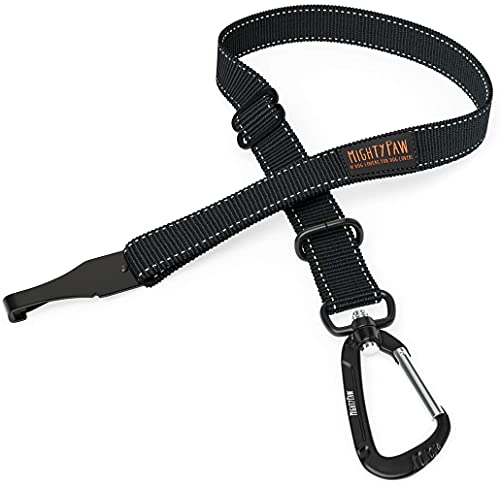
  • Best for Large Dogs: Mighty Paw Dog Seat Belt. Designed with extra-strong hardware and a 1.5-inch wide strap, this seat belt can handle d.
  • Best for Training: PetSafe Happy Ride Dog Seat Belt. This seat belt features a patented design that allows your dog to move but prevents them f.
  • Best No-Pull: Chai's Choice Dog Seat Belt. With a unique design that attaches to both the harness and the seat belt, this product red.
At a Glance

Quick Comparison

Quick answer

For first time owners, the Kurgo Go-Tech Dog Seat Belt is our top pick. It combines a durable, crash-tested design with a simple buckle attachment that works with most harnesses. If you need a budget-friendly option, the SlowTon Dog Seat Belt offers reliable strength at a lower price. For large dogs, the Mighty Paw Dog Seat Belt provides extra security with its heavy-duty hardware.

What to consider for Dog Seat Belt For First Time Owners

When choosing a dog seat belt for first time owners, safety is paramount. Look for products that are crash-tested or meet safety standards. Ease of use is also critical; you want a seat belt that attaches quickly to your dog’s harness and your car’s seat belt buckle. Consider the length of the tether; too long can allow too much movement, too short can be restrictive. Also, ensure the seat belt is compatible with your car’s seat belt system and your dog’s harness. Durability matters; check for strong clips and webbing that can withstand sudden stops. Finally, think about your dog’s size and behavior; a nervous dog may need a shorter tether for security.

What to look for in a gear item (harness, collar, leash or muzzle)

For a dog seat belt, the key is correct fit and sizing. The seat belt should attach to a harness, not a collar, to avoid neck injury in a crash. Look for durable hardware, such as steel clips, and strong webbing (at least 1 inch wide for medium to large dogs). Safety features include a quick-release buckle for emergency exit and reflective stitching for visibility. Comfort and padding are less critical for the seat belt itself, but the harness it attaches to should be padded. A no-pull design is not directly relevant to seat belts, but a front-clip harness can help with control during stops.

How we chose these picks

  • Evaluated crash test data and safety certifications from manufacturers.
  • Compared customer reviews for durability and ease of use.
  • Checked compatibility with various car seat belt systems and harness types.
  • Assessed tether length and adjustability for different dog sizes.
  • Considered price to value ratio for first time owners.
  • Prioritized products with strong, rust-resistant hardware.
  • Never ranked a product higher just because it pays a commission.

What to avoid

  • Avoid ill-fitting seat belts that are too long or too short for your car’s setup.
  • Steer clear of flimsy plastic clips that can break in a sudden stop.
  • Do not use a seat belt with a collar; always attach to a harness to prevent neck injury.
  • Never use a retractable leash as a seat belt; it can snap and is not designed for crash protection.

For more guides, visit our dog guides, dog care products, and dog health sections.

Why this matters

Crash-tested seat belts can reduce the risk of injury in an accident, but proper harness attachment is equally important; never attach a seat belt to a collar.

The Options

Types Explained

Buckle-Type Seat Belt

These plug directly into your car's seat belt buckle and have a tether that attaches to your dog's harness. They are the most common type and easy to use.

Best for: First time owners who want a simple, universal solution.

Loop-Type Seat Belt

These have a loop that wraps around the car seat belt and a clip for the harness. They work with any car but may require more adjustment.

Best for: Owners with non-standard seat belt buckles or who need a versatile option.

Hammock-Style Seat Belt

This is a combination of a back seat hammock and a seat belt tether. It protects your car seats while restraining your dog.

Best for: Owners who want to keep their car clean and their dog contained in the back seat.

Harness with Built-In Seat Belt

Some harnesses come with a built-in seat belt tether. These are all-in-one solutions that ensure proper attachment.

Best for: Owners who prefer a single product for both walking and car travel.
The Rankings

Top 5 Picks

#1
Kurgo Go-Tech Dog Seat Belt
Best Overall

Kurgo Go-Tech Dog Seat Belt

View on Amazon

This seat belt is crash-tested and features a strong, rust-resistant clip that attaches easily to any harness. The tether is adjustable from 5 to 22 inches, giving you flexibility. One limitation is that the buckle may not fit all car seat belt receivers perfectly, but it works with most vehicles.

#2
SlowTon Dog Seat Belt
Best Budget

SlowTon Dog Seat Belt

View on Amazon

At a lower price, this seat belt still offers heavy-duty nylon webbing and a 360-degree swivel clip to prevent tangling. It comes in two lengths and is easy to install. The trade-off is that it lacks crash-test certification, but for everyday trips it provides reliable restraint.

#3
Mighty Paw Dog Seat Belt
Best for Large Dogs

Mighty Paw Dog Seat Belt

View on Amazon

Designed with extra-strong hardware and a 1.5-inch wide strap, this seat belt can handle dogs up to 110 pounds. The tether is 20 inches long, giving large dogs enough room to sit or lie down. One downside is that the clip may be too bulky for some smaller harness rings.

#4
PetSafe Happy Ride Dog Seat Belt
Best for Training

PetSafe Happy Ride Dog Seat Belt

View on Amazon

This seat belt features a patented design that allows your dog to move but prevents them from reaching the front seat. It includes a padded sleeve for comfort and a quick-release buckle. A limitation is that the tether is shorter (12 inches), which may not suit dogs that need more space.

#5
Chai's Choice Dog Seat Belt
Best No-Pull

Chai's Choice Dog Seat Belt

View on Amazon

With a unique design that attaches to both the harness and the seat belt, this product reduces pulling by limiting forward movement. It has reflective stitching for visibility and a heavy-duty clip. The drawback is that installation can be slightly more complex than simpler models.

Before You Buy

Key Buying Factors

01

Crash Test Certification

Look for seat belts that have been crash-tested by independent labs. While not all products are certified, those that are provide proven protection in an accident.

02

Tether Length

The tether should be long enough for your dog to sit or lie down comfortably, but short enough to prevent them from reaching the front seat or sticking their head out the window. Typical lengths range from 10 to 22 inches.

03

Clip and Hardware Quality

Ensure the clip is made of metal (stainless steel or zinc alloy) and is strong enough to withstand sudden force. Plastic clips can break and should be avoided.

04

Compatibility with Harness

The seat belt must attach to a harness, not a collar. Check that the clip fits through the harness ring. Some seat belts come with a loop that works with any harness.

05

Ease of Installation

First time owners should choose a seat belt that installs quickly without tools. Most clip into the seat belt buckle and attach to the harness in seconds.

Living With It

Care, Cost and Maintenance

Cleaning

Most seat belts can be wiped clean with a damp cloth and mild soap. For fabric straps, hand wash with gentle detergent and air dry. Avoid machine washing unless specified by the manufacturer.

Inspection

Regularly check the webbing for fraying, the clips for rust or deformation, and the stitching for loose threads. Replace the seat belt if any damage is found.

Storage

When not in use, store the seat belt in a cool, dry place away from direct sunlight. Prolonged exposure to UV rays can weaken the nylon webbing.

Pro tip

Before your first trip, practice clipping and unclipping the seat belt with your dog in the car so they become familiar with the restraint.

Frequently asked questions

How do I measure my dog for a seat belt?
To measure your dog for a seat belt, first measure the girth around the chest behind the front legs. This determines the harness size, not the seat belt itself. Most seat belts are one-size-fits-all for the tether, but the harness must fit snugly. Also, measure the distance from the harness D-ring to the car seat belt buckle to ensure the tether length is appropriate. For most dogs, a tether of 15 to 20 inches works well.
Are no-pull seat belts effective?
No-pull seat belts are designed to limit forward movement, which can reduce pulling. However, they are not a substitute for training. They work by attaching to a front-clip harness, so when the dog pulls, the seat belt redirects them sideways. This can help during stops but may not stop all pulling. For strong pullers, combine the seat belt with a no-pull harness and positive reinforcement training.
Can a dog escape from a seat belt?
Escape is possible if the seat belt is not properly attached or if the harness is ill-fitting. To prevent escape, ensure the harness is snug and the seat belt clip is securely fastened. Some dogs can back out of a harness, so choose an escape-proof design with a belly strap. Also, never leave your dog unattended in the car with a seat belt, as they may chew through the webbing.
Should I use a harness or collar with a seat belt?
Always use a harness with a seat belt. Collars can cause severe neck injuries in a crash or sudden stop. A harness distributes force across the chest and back, reducing the risk of injury. Choose a harness that is crash-tested or at least sturdy, with a metal D-ring for attaching the seat belt. Avoid harnesses with plastic clips that may break.
What materials are best for durability?
For durability, look for seat belts made from nylon or polyester webbing, which are strong and resistant to fraying. The clip should be stainless steel or zinc alloy to resist rust. Stitching should be reinforced with nylon thread. Avoid seat belts with plastic components, as they can crack under stress. Some seat belts also have a reflective coating for visibility, which adds to longevity.
How do I clean a dog seat belt?
Most dog seat belts can be cleaned with a damp cloth and mild soap. For deeper cleaning, remove the seat belt from the car and hand wash in lukewarm water with a gentle detergent. Rinse thoroughly and air dry. Do not machine wash or dry, as this can damage the hardware and webbing. Check the manufacturer's instructions for specific care guidelines.
Will a seat belt fit small dogs?
Yes, but you need to ensure the harness fits properly. Small dogs often have delicate necks and chests, so choose a harness with a smaller girth range. The seat belt tether length should be shorter (10 to 15 inches) to prevent them from moving too much. Some seat belts have adjustable tether lengths that work for small dogs. Always test the fit before driving.
Will a seat belt fit large dogs?
Large dogs require a seat belt with a longer tether (18 to 22 inches) and stronger hardware. Look for seat belts rated for dogs over 50 pounds. The clip should be large enough to attach to a harness with a thick D-ring. Also, consider a seat belt with a wider webbing (1.5 inches) for added strength. Ensure the harness is also rated for your dog's weight.
Is it safe to use a seat belt with a front-clip harness?
Yes, it is safe as long as the harness is designed for car travel. Front-clip harnesses are often used for no-pull training, but they can also be used with seat belts. However, ensure the front clip is metal and can withstand force. Some front-clip harnesses have a back D-ring as well, which is usually stronger. For seat belt use, attach to the back D-ring if possible.
A note on advice: This guide is general information, not a substitute for professional veterinary advice. Talk to your vet before changing your dog's diet or care routine, especially if your dog has allergies, kidney disease, pancreatitis, obesity, heart disease or any other medical condition.
Transparency

How we made this guide

How we chose. We compared the options on the factors that matter most for Dog Care Products, using manufacturer specifications, aggregated verified owner reviews and editorial comparison. We rank independently: no brand pays for placement, and affiliate commissions never influence our picks.

How it was written. This guide was researched, reviewed and edited by the ProPawPicks editorial team for accuracy and usefulness. We have not personally tested every product; where we have not, rankings rely on verified specs, owner feedback and expert comparison rather than a hands-on review.

Affiliate disclosure. ProPawPicks is reader-supported. If you buy through links on our site, we may earn a commission at no extra cost to you. See our affiliate disclosure.

Keep Reading

More Dog Care Products guides

Insulated Dog Jackets: 4 Best Picks Reviewed for 2026View picks โ†’Interactive Dog Toys, ComparedView picks โ†’Invisible Dog Fence for Large Dogs: 5 Best Picks (2026)View picks โ†’Expert Picks: Best Invisible Dog Fence for the Money 2026View picks โ†’Which Invisible Dog Fence Is Best? 5 Top PicksView picks โ†’Contain Your Dog Reliably: 5 Best Invisible Fence Picks for 2026View picks โ†’

Sources and further reading

Some links below are affiliate links. If you buy through them we may earn a small commission at no extra cost to you. Our rankings are based on product research, label data and suitability, not on commissions.