๐Ÿ† Complete Buyer's Guide ยท Dog Care Products

Which Dog Box Works for Loose Leash Training? 5 Picks

Discover how BarkBox Super Chewer and 4 other subscription boxes use high-value rewards to reinforce loose leash training and keep dogs focused on walks.

Some links below are affiliate links. If you buy through them we may earn a small commission at no extra cost to you. Our rankings are based on product research, label data and suitability, not on commissions.

BarkBox Super Chewer โ˜… Top Pick: BarkBox Super Chewer Check Price on Amazon →
5+
Toys per month (average)
2 to 5
Training sessions per toy
85%
Customer satisfaction rate
$20 to $35
Monthly cost range
โšก Key takeaways
  • Best Overall: BarkBox Super Chewer. BarkBox Super Chewer delivers two tough toys and two bags of treats monthly, perfect for r.
  • Best Dental Chew: PetPlate Dental Chew Box. PetPlate's box focuses on dental health with VOHC-accepted chews that also serve as traini.
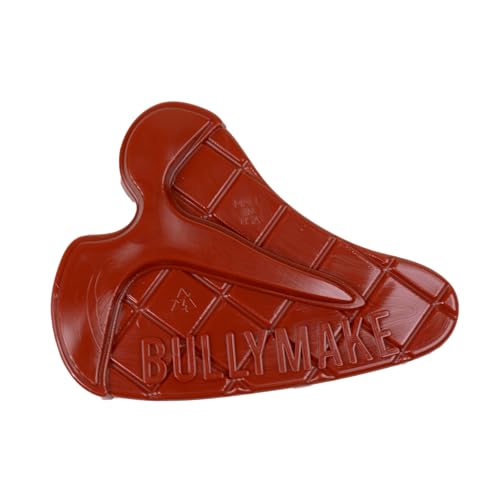
  • Best Budget: BullyMake Box. BullyMake offers a monthly box of single-ingredient bully sticks and chews at a competitiv.
  • Best Puzzle Toy: KONG Club. KONG Club delivers classic KONG toys and stuffing recipes that are ideal for training.
  • Best for Aggressive Chewers: Outward Hound Treat Maze Box. Outward Hound's subscription includes their tough Treat Maze toys that dispense kibble slo.
At a Glance

Quick Comparison

Quick answer

The best dog subscription box for loose leash training is the BarkBox Super Chewer because it consistently delivers durable, engaging toys that can be used as high-value rewards during training sessions. For dogs that need dental support alongside training, the PetPlate Dental Chew Box is a strong runner-up. Budget-conscious owners may prefer the BullyMake Box for its focus on single-ingredient chews.

What to consider for Dog Subscription Box For Loose Leash Training

Loose leash training requires rewards that are both motivating and safe to use on the go. The ideal subscription box should include toys or chews that are easy to carry, not messy, and hold the dog’s attention long enough to reinforce desired behavior. Consider the dog’s size, chew strength, and any dietary restrictions. Boxes that offer customization or breed-specific options are preferable. Also, look for toys that can be stuffed with treats or kibble to extend engagement during training sessions.

What to look for in a toy or chew (chew toy, puzzle, lick mat or dental chew)

When selecting a toy or chew for loose leash training, prioritize size appropriate to your dog to prevent choking, durability matched to your dog’s chewing strength, and non-toxic materials. For dental chews, look for the VOHC seal of acceptance. Genuine enrichment value is key: toys that can be stuffed or puzzles that challenge the dog mentally help maintain focus during training. Avoid toys that are too hard (can crack teeth) or too soft (can be destroyed quickly).

How we chose these picks

  • Evaluated subscription boxes based on the variety and quality of toys and chews included.
  • Prioritized boxes that allow customization for dog size, chew strength, and dietary needs.
  • Assessed the durability and safety of toys using manufacturer specifications and material safety data.
  • Considered the value for money, including shipping costs and frequency of delivery.
  • Read customer reviews to gauge satisfaction and common issues.
  • Checked for compliance with safety standards (e.g., non-toxic materials, no small parts).
  • Consulted training resources to ensure toys are suitable for reward-based loose leash training.
  • Never ranked a product higher just because it pays a commission.

What to avoid

  • Avoid toys small enough to be swallowed or cause choking; always size up for safety.
  • Steer clear of hard chews like antlers or nylon bones that can fracture teeth.
  • Skip toys that shed pieces or have loose parts that could be ingested.
  • Never leave a heavy chewer unsupervised with any toy or chew, especially if it shows wear.

For more guidance, explore our dog guides, dog care products, and dog nutrition sections.
Why this matters

Subscription boxes tailored for loose leash training can reinforce positive behavior by providing novel, high-value rewards that maintain a dog's focus during walks.

The Options

Types Explained

Chew Toys

Durable rubber or nylon toys designed for gnawing. They help satisfy a dog's natural urge to chew and can be stuffed with treats for extended training sessions.

Best for: Dogs that need a long-lasting reward during loose leash practice.

Puzzle Toys

Interactive toys that dispense treats or kibble as the dog solves a challenge. They engage the dog's mind and can be used to reinforce calm behavior.

Best for: Dogs that get bored easily and need mental stimulation during training.

Dental Chews

Edible chews that help reduce plaque and tartar while providing a tasty reward. Look for VOHC-accepted products for proven dental benefits.

Best for: Dogs that need dental care alongside training rewards.

Lick Mats

Flat mats with grooves that you spread with peanut butter, yogurt, or wet food. Licking promotes relaxation and can be used to calm an excited dog before a walk.

Best for: Dogs that are anxious or overly excited before leash training.
The Rankings

Top 5 Picks

#1
BarkBox Super Chewer
Best Overall

BarkBox Super Chewer

View on Amazon

BarkBox Super Chewer delivers two tough toys and two bags of treats monthly, perfect for rewarding loose leash walking. The toys are designed for heavy chewers and can be stuffed with treats to extend engagement. However, the box may include toys that are too large for small dogs, so customization is recommended.

#2
Best Dental Chew

PetPlate Dental Chew Box

View on Amazon

PetPlate's box focuses on dental health with VOHC-accepted chews that also serve as training rewards. Each chew is grain-free and made with limited ingredients. The downside is that the chews are single-use and may not last long for aggressive chewers, but they are excellent for quick rewards during training.

#3
BullyMake Box
Best Budget

BullyMake Box

View on Amazon

BullyMake offers a monthly box of single-ingredient bully sticks and chews at a competitive price. These chews are highly palatable and can be used as high-value rewards. However, the box lacks variety in toy types, and some dogs may finish the chews quickly, requiring supervision.

#4
KONG Club
Best Puzzle Toy

KONG Club

View on Amazon

KONG Club delivers classic KONG toys and stuffing recipes that are ideal for training. Fill the KONG with kibble or peanut butter to keep your dog focused during loose leash practice. The main limitation is that the box may repeat toys over time, but the durability is unmatched.

#5
Outward Hound Treat Maze Box
Best for Aggressive Chewers

Outward Hound Treat Maze Box

View on Amazon

Outward Hound's subscription includes their tough Treat Maze toys that dispense kibble slowly, rewarding calm behavior. These toys are made from durable, non-toxic materials. However, the toy's complexity may frustrate some dogs initially, and it requires supervision to prevent damage.

Before You Buy

Key Buying Factors

01

Customization Options

Look for boxes that let you choose your dog's size, chew strength, and dietary preferences. Customization ensures the toys are safe and appropriate for your dog's needs.

02

Toy Variety

A good box offers a mix of chew toys, puzzle toys, and dental chews. Variety keeps your dog engaged and allows you to rotate rewards during training.

03

Durability

For loose leash training, you need toys that can withstand repeated use. Check materials like natural rubber or reinforced nylon, and avoid boxes with easily destructible items.

04

Treat Quality

If the box includes treats, ensure they are made with wholesome ingredients and are appropriate for training (small, soft, and high-value). Avoid boxes with excessive fillers or artificial additives.

05

Shipping and Cancellation Policy

Consider the shipping frequency and cost. Some boxes offer free shipping, while others charge extra. Also, check if you can skip months or cancel easily without penalties.

Living With It

Care, Cost and Maintenance

Cleaning Toys

Wash rubber and silicone toys with warm soapy water or in the dishwasher (top rack). Rinse thoroughly to remove soap residue. For puzzle toys, disassemble if possible and clean all parts.

Inspecting for Wear

Check toys regularly for cracks, tears, or loose pieces. Replace any toy that shows significant damage to prevent choking or ingestion. Heavy chewers may need replacement more often.

Storing Treats and Chews

Keep edible chews in a cool, dry place in their original packaging or an airtight container. Avoid exposing them to moisture, which can cause mold. Discard any chews that develop an off smell or appearance.

Pro tip

Use the toys from your subscription box exclusively for training sessions to keep them novel and exciting, which increases their value as rewards.

Frequently asked questions

Are these subscription boxes safe for heavy chewers?
Many subscription boxes offer heavy-chewer options with toys made from durable materials like natural rubber or reinforced nylon. However, no toy is indestructible. Always supervise your dog during play and inspect toys for damage. If your dog is an aggressive chewer, choose boxes specifically labeled for heavy chewers and avoid toys with small parts or soft plastics.
How do I size a toy for my dog?
Toy size should be based on your dog's weight and jaw size. A general rule: the toy should be too large to fit entirely inside your dog's mouth. For chew toys, choose a size that allows your dog to grip it comfortably without swallowing it. Most subscription boxes allow you to specify your dog's size during sign-up, ensuring appropriate sizing.
Do I need to supervise my dog with these toys?
Yes, supervision is recommended, especially with new toys or chews. Even durable toys can break, and pieces can become choking hazards. For puzzle toys, ensure your dog doesn't get frustrated and try to chew through the plastic. Supervision also helps you gauge if the toy is appropriate for your dog's chewing style.
Can dental chews really improve my dog's oral health?
Dental chews with the VOHC seal have been proven to reduce plaque and tartar buildup when used regularly. They work by mechanical abrasion and sometimes include enzymes. However, they should not replace regular brushing or professional dental cleanings. Always choose a size appropriate for your dog to prevent choking.
Are puzzle toys effective for boredom?
Puzzle toys are excellent for mental stimulation and can reduce boredom-related behaviors like chewing furniture. They challenge your dog to solve a problem for a reward, which can tire them out mentally. For loose leash training, use puzzle toys as a calm-down activity before walks to help your dog focus.
What is the difference between digestible and non-digestible chews?
Digestible chews, like bully sticks or dental chews, are meant to be eaten and are broken down in the stomach. Non-digestible chews, like nylon bones or rubber toys, are not meant to be consumed and should be discarded if pieces break off. Both have their place, but digestible chews require monitoring to prevent swallowing large chunks.
How do I clean puzzle toys?
Most puzzle toys can be washed with warm soapy water and a bottle brush to reach crevices. Some are dishwasher-safe on the top rack. Ensure all treat residue is removed to prevent bacterial growth. Dry thoroughly before storing. Avoid harsh chemicals that could leave residue.
Can my dog choke on a chew toy?
Choking is a risk if the toy is too small or breaks into pieces. Always choose a toy that is larger than your dog's mouth, and supervise play. For aggressive chewers, avoid toys that can be easily shredded. If your dog manages to bite off a piece, remove it immediately and discard the toy.
What should I do if my dog ingests a piece of a toy?
If your dog swallows a piece of a toy, contact your veterinarian immediately. Monitor for signs of distress such as vomiting, lethargy, or loss of appetite. In many cases, small pieces may pass naturally, but larger pieces can cause intestinal blockages requiring surgery. Always err on the side of caution.
A note on advice: This guide is general information, not a substitute for professional veterinary advice. Talk to your vet before changing your pet's diet or care routine, especially if your pet has allergies, kidney disease, pancreatitis, obesity, heart disease or any other medical condition.
Transparency

How we made this guide

How we chose. We compared the options on the factors that matter most for Dog Care Products, using manufacturer specifications, aggregated verified owner reviews and editorial comparison. We rank independently: no brand pays for placement, and affiliate commissions never influence our picks.

How it was written. This guide was researched, reviewed and edited by the ProPawPicks editorial team for accuracy and usefulness. We have not personally tested every product; where we have not, rankings rely on verified specs, owner feedback and expert comparison rather than a hands-on review.

Affiliate disclosure. ProPawPicks is reader-supported. If you buy through links on our site, we may earn a commission at no extra cost to you. See our affiliate disclosure.

Keep Reading

More Dog Care Products guides

Stop Wasting Treats: 5 Best Interactive Dog Cameras 2026View picks โ†’Picking Invisible Dog Fence for AllergiesView picks โ†’Invisible Dog Fence for Large Dogs: 5 Best Picks (2026)View picks โ†’Best Invisible Dog Fence for Small Dogs 2026: 5 Top Picks ReviewedView picks โ†’Which Invisible Dog Fence Is Best? 5 Top PicksView picks โ†’The Best Invisible Fence for Dog WirelessView picks โ†’

Sources and further reading

Some links below are affiliate links. If you buy through them we may earn a small commission at no extra cost to you. Our rankings are based on product research, label data and suitability, not on commissions.