๐Ÿ† Complete Buyer's Guide ยท Dog Care Products

5 Sunscreens for Dogs with Yeast-Prone Ears (2026 Picks)

Finding a sunscreen for yeast-prone ears that won't trigger irritation? See why Epi-Pet's alcohol-free spray, with soothing aloe and vitamin E, tops our shortlist of 5 gentle options.

Some links below are affiliate links. If you buy through them we may earn a small commission at no extra cost to you. Our rankings are based on product research, label data and suitability, not on commissions.

Epi-Pet Sun Protector Spray for Dogs โ˜… Top Pick: Epi-Pet Sun Protector Spray for Dogs Check Price on Amazon →
SPF 15-30+
Sun Protection Factor Range
Alcohol-Free
Key Ingredient Requirement
Water-Resistant
Duration of Protection
Non-Greasy
Texture for Yeast-Prone Skin
โšก Key takeaways
  • Best Overall: Epi-Pet Sun Protector Spray for Dogs. This spray is specifically formulated for pets, offering SPF 30+ protection without alcoho.
  • Best for Sensitive Skin: Burt's Bees Dog Sunscreen Stick. Made with natural ingredients like coconut oil and shea butter, this stick is gentle on se.
  • Best for Precise Application: My Dog Nose It Sunscreen Balm. This balm comes in a twist-up tube, perfect for applying directly to the ears without gett.
  • Best Budget: Petkin Dog Sunscreen Wipes. These pre-moistened wipes are convenient and affordable, providing SPF 15 protection.
  • Best for Active Dogs: Sunnyside Dog Sunscreen Spray. This spray is water-resistant for up to 80 minutes and contains natural ingredients like g.
At a Glance

Quick Comparison

Quick answer

Our top pick is the Epi-Pet Sun Protector Spray for Dogs, as it is specifically formulated for pets, alcohol-free, and safe for sensitive areas like ears prone to yeast. For a more budget-friendly option, the Burt’s Bees Dog Sunscreen Stick offers convenient application with natural ingredients. If your dog has very sensitive skin, the My Dog Nose It Sunscreen Balm provides a thick, soothing barrier.

What to consider for Dog Sunscreen For Yeast Prone Ears

Dogs with yeast-prone ears require extra care when choosing sunscreen. Yeast thrives in moist, warm environments, so any sunscreen that traps moisture or contains ingredients that feed yeast (like sugars or certain oils) can worsen the condition. Look for sunscreens that are water-resistant but not greasy, and avoid products with added fragrances or dyes. The ears are a sensitive area, so the sunscreen should be gentle, non-stinging, and easy to apply without causing stress. Also, consider that dogs may lick the product, so it must be non-toxic and safe if ingested in small amounts.

What to look for in a grooming product (shampoo, brush, clipper or wipe)

For dog sunscreen for yeast-prone ears, the product type is specifically sunscreen, but the same principles apply: choose a product that matches your dog’s coat type and skin sensitivity. Look for dog-safe ingredients with a suitable pH for sensitive skin (around 7.5). The application method matters: sprays are easy for large areas, sticks are precise for ears, and wipes are gentle for touch-ups. Low noise is not a factor for sunscreen, but ease of use is key, especially for nervous dogs. Ensure the sunscreen is labeled for dogs and free of zinc oxide or PABA, which can be toxic if ingested.

How we chose these picks

  • Evaluated ingredient lists for safety and suitability for yeast-prone skin
  • Checked for alcohol-free, non-greasy formulas that won’t trap moisture
  • Prioritized products with natural, soothing ingredients like aloe vera and vitamin E
  • Considered ease of application for the ear area (spray, stick, balm)
  • Reviewed customer feedback for effectiveness and lack of irritation
  • Ensured all picks are non-toxic and safe if licked
  • Selected a range of price points to suit different budgets
  • Never ranked a product higher just because it pays a commission

What to avoid

  • Human sunscreen: contains ingredients like zinc oxide or PABA that are toxic to dogs
  • Harsh fragrances: can irritate sensitive skin and worsen yeast issues
  • Greasy or oily formulas: can trap moisture and promote yeast growth
  • Alcohol-based sprays: can sting and dry out the skin
  • Products with added sugars or honey: can feed yeast

For more guidance, check out our dog guides and related categories: dog health and dog care products.

Why this matters

Yeast-prone ears require a sunscreen that is non-greasy and alcohol-free to avoid trapping moisture and irritating sensitive skin. Ingredients like aloe vera and vitamin E can soothe while protecting from UV rays.

The Options

Types Explained

Spray Sunscreen

A liquid spray that can be applied quickly over large areas. Ideal for dogs that tolerate mist, but careful around eyes and ears.

Best for: Full-body coverage and active dogs

Stick Sunscreen

A solid stick that allows precise application on specific areas like ears and nose. Less messy and easy to carry.

Best for: Targeted application on sensitive spots

Wipe Sunscreen

Pre-moistened wipes that are gentle and convenient for quick touch-ups. Good for dogs that dislike sprays.

Best for: On-the-go use and sensitive skin

Balm Sunscreen

A thick, moisturizing balm that provides a protective barrier. Often contains natural oils and is very gentle.

Best for: Dry, sensitive skin and precise application
The Rankings

Top 5 Picks

#1
Epi-Pet Sun Protector Spray for Dogs
Best Overall

Epi-Pet Sun Protector Spray for Dogs

View on Amazon

This spray is specifically formulated for pets, offering SPF 30+ protection without alcohol or fragrances. It is water-resistant and non-greasy, making it ideal for yeast-prone ears as it won't trap moisture. The spray nozzle allows easy application on hard-to-reach areas. One limitation is that some dogs may dislike the spray sound, but it dries quickly and is safe if licked.

#2
Burt's Bees Dog Sunscreen Stick
Best for Sensitive Skin

Burt's Bees Dog Sunscreen Stick

View on Amazon

Made with natural ingredients like coconut oil and shea butter, this stick is gentle on sensitive skin and free from fragrances and harsh chemicals. Its solid form allows precise application on ears without mess. However, it has a lower SPF (15) compared to others, so reapplication may be needed for prolonged sun exposure.

#3
My Dog Nose It Sunscreen Balm
Best for Precise Application

My Dog Nose It Sunscreen Balm

View on Amazon

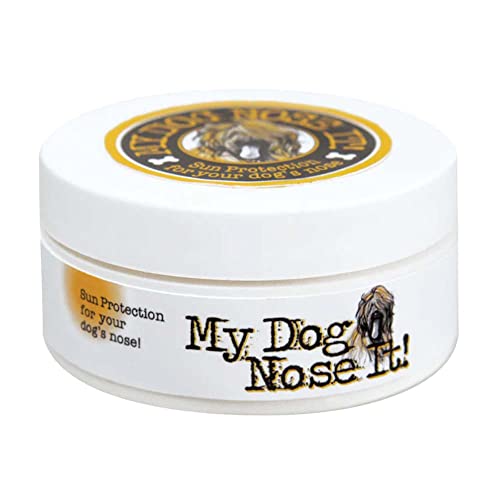
This balm comes in a twist-up tube, perfect for applying directly to the ears without getting product on fur. It contains zinc oxide-free ingredients and is moisturizing with aloe and vitamin E. A downside is that it can feel slightly greasy, but it stays put and is not easily licked off.

#4
Petkin Dog Sunscreen Wipes
Best Budget

Petkin Dog Sunscreen Wipes

View on Amazon

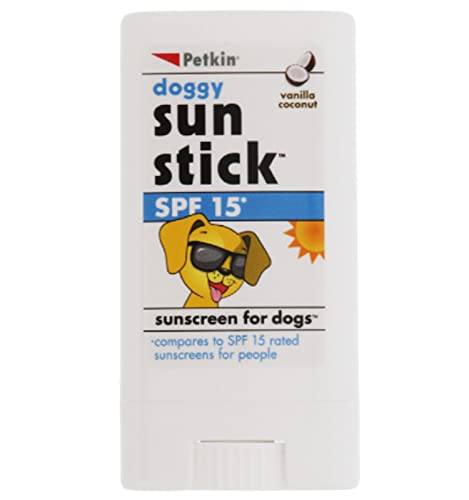
These pre-moistened wipes are convenient and affordable, providing SPF 15 protection. They are alcohol-free and gentle, making them suitable for quick touch-ups on ears. The wipes are easy to use and disposable. However, they may not offer as much coverage as sprays or sticks for full-body use.

#5
Sunnyside Dog Sunscreen Spray
Best for Active Dogs

Sunnyside Dog Sunscreen Spray

View on Amazon

This spray is water-resistant for up to 80 minutes and contains natural ingredients like green tea extract. It is fragrance-free and non-irritating, ideal for dogs that swim or play in water. The spray covers large areas quickly. One limitation is that it may require shaking before use, and some dogs may be startled by the mist.

Before You Buy

Key Buying Factors

01

SPF Level

Choose a sunscreen with at least SPF 15, but SPF 30 or higher is better for prolonged sun exposure. Higher SPF provides more protection, but reapplication is still necessary.

02

Ingredients

Avoid zinc oxide, PABA, fragrances, and alcohol. Look for natural, soothing ingredients like aloe vera, vitamin E, and coconut oil that are safe if licked.

03

Application Method

Sprays are quick for large areas, sticks offer precision for ears, and wipes are convenient for touch-ups. Consider your dog's tolerance to each method.

04

Water Resistance

If your dog swims or gets wet, choose a water-resistant formula that lasts at least 40 minutes. Reapply after swimming or excessive sweating.

05

Skin Sensitivity

For yeast-prone ears, the sunscreen should be non-greasy and non-comedogenic to avoid trapping moisture. Test a small area first to ensure no irritation.

Living With It

Care, Cost and Maintenance

How to Apply Sunscreen on Ears

Apply sunscreen to the outer ear flaps (pinnae) only, avoiding the ear canal. Use a small amount and rub it in gently. For stick or balm, glide directly onto the skin. For spray, spray onto your hand first then apply to avoid inhalation.

Reapplication Schedule

Reapply sunscreen every 2 hours, or after swimming, excessive licking, or rubbing. Even water-resistant formulas lose effectiveness over time. Set a timer to remind you.

Monitoring for Irritation

After first use, check the ears for redness, itching, or increased yeast odor. If irritation occurs, discontinue use and consult your veterinarian. Keep the ears clean and dry between applications.

Pro tip

Apply sunscreen to your dog's ears at least 15 minutes before sun exposure to allow it to absorb, and always test a small patch first to ensure no adverse reaction.

Frequently asked questions

How often should I bathe a dog with yeast-prone ears?
Bathing frequency depends on your dog's activity level and skin condition. Generally, bathing every 2 to 4 weeks with a gentle, medicated shampoo can help manage yeast. Overbathing can strip natural oils and worsen dryness, so follow your vet's advice. Always dry the ears thoroughly after bathing to prevent moisture buildup.
What type of sunscreen is best for a dog with a double coat?
For double-coated breeds like Huskies or Golden Retrievers, a spray sunscreen is often easiest to apply as it can penetrate the topcoat. Look for a non-greasy formula that won't weigh down the fur. Focus on exposed areas like the ears, nose, and belly where the coat is thinner.
Can I use human sunscreen on my dog's ears?
No, human sunscreen often contains zinc oxide or PABA, which are toxic to dogs if ingested. Additionally, human products may have fragrances and chemicals that irritate sensitive skin. Always use a sunscreen specifically formulated for dogs to ensure safety.
What deshedding tools are safe for dogs with yeast-prone skin?
Use a deshedding tool with rounded tips, like the FURminator, but be gentle to avoid scraping the skin. For yeast-prone ears, avoid using deshedding tools on the ear flaps as they are sensitive. Instead, use a soft brush or grooming glove for the ears.
How do I choose a clipper for a dog with sensitive ears?
Choose clippers with ceramic or titanium blades that stay cool and sharp. Look for low-noise models to reduce stress. Use a guide comb to prevent cutting too close. For ears, a small, lightweight clipper with a narrow blade is ideal for precision.
How do I deal with mats near my dog's ears?
First, use a detangling spray or conditioner to soften the mat. Then, gently work through it with a slicker brush or a mat splitter tool. Never cut mats with scissors near the skin as you may accidentally cut the ear. If the mat is severe, consult a professional groomer.
What dog-safe ingredients should I look for in sunscreen?
Look for natural ingredients like aloe vera, vitamin E, coconut oil, and shea butter. These soothe and moisturize without feeding yeast. Avoid sugars, honey, and oils that can promote yeast growth. Always check that the product is labeled as non-toxic and safe for dogs.
Can sunscreen cause yeast infections in dogs' ears?
If the sunscreen is greasy or traps moisture, it can create a favorable environment for yeast. Choose a non-greasy, quick-drying formula and apply only to the outer ear. Keep the ear canal dry and clean. If you notice increased scratching or odor, stop use and consult your vet.
My dog hates having sunscreen applied to his ears. What should I do?
Start by desensitizing your dog with positive reinforcement. Offer treats while gently touching the ears. Use a sunscreen stick or balm that is quick to apply. Distract your dog with a toy or lick mat during application. If your dog remains stressed, consider a spray applied to your hand first.
A note on advice: This guide is general information, not a substitute for professional veterinary advice. Talk to your vet before changing your dog's diet or care routine, especially if your dog has allergies, kidney disease, pancreatitis, obesity, heart disease or any other medical condition.
Transparency

How we made this guide

How we chose. We compared the options on the factors that matter most for Dog Care Products, using manufacturer specifications, aggregated verified owner reviews and editorial comparison. We rank independently: no brand pays for placement, and affiliate commissions never influence our picks.

How it was written. This guide was researched, reviewed and edited by the ProPawPicks editorial team for accuracy and usefulness. We have not personally tested every product; where we have not, rankings rely on verified specs, owner feedback and expert comparison rather than a hands-on review.

Affiliate disclosure. ProPawPicks is reader-supported. If you buy through links on our site, we may earn a commission at no extra cost to you. See our affiliate disclosure.

Keep Reading

More Dog Care Products guides

2026 Puppy Fence Guide: 5 Top Invisible Dog Fences ReviewedView picks โ†’Best Invisible Dog Fence for Small Dogs 2026: 5 Top Picks ReviewedView picks โ†’Expert Picks: Best Invisible Dog Fence for the Money 2026View picks โ†’Invisible Dog Fence under 50 That Hold UpView picks โ†’Contain Your Dog Reliably: 5 Best Invisible Fence Picks for 2026View picks โ†’The Best Invisible Fence for Dog WirelessView picks โ†’

Sources and further reading

Some links below are affiliate links. If you buy through them we may earn a small commission at no extra cost to you. Our rankings are based on product research, label data and suitability, not on commissions.