๐Ÿ† Complete Buyer's Guide ยท Dog Care Products

Dog Toothbrush for Boston Terriers, Reviewed

Boston Terriers need gentle dental care due to brachycephalic features. We compared 5 top picks, led by the Nylabone Advanced Oral Care brush with extra-soft bristles for sensitive mouths.

Some links below are affiliate links. If you buy through them we may earn a small commission at no extra cost to you. Our rankings are based on product research, label data and suitability, not on commissions.

๐ŸพNew to the breed? Read our full Boston Terrier breed guide for temperament, care, health and lifespan. Nylabone Advanced Oral Care Dog Toothbrush โ˜… Top Pick: Nylabone Advanced Oral Care Dog Toothbrush Check Price on Amazon →
80%
of dogs over age 3 have dental disease
2 to 3
times per week recommended brushing
1 inch
ideal brush head width for small mouths
Soft
bristle type to avoid gum damage
โšก Key takeaways
  • Best Overall: Nylabone Advanced Oral Care Dog Toothbrush. The Nylabone Advanced Oral Care Dog Toothbrush features an angled head and extra-soft bris.
  • Best Budget: Pet Republique Dual-Ended Dog Toothbrush. This dual-ended toothbrush provides two brush sizes in one: a larger end for general clean.
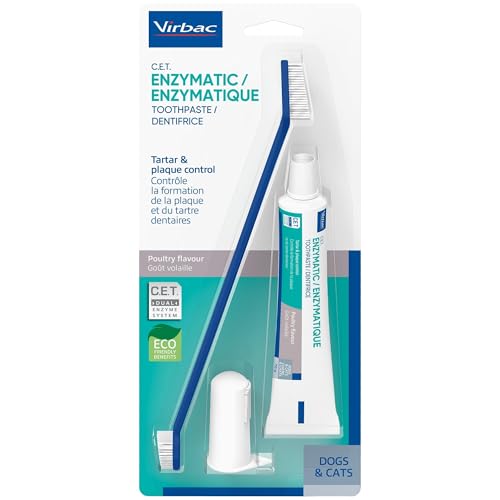
  • Best for Sensitive Gums: Virbac C.E.T. Dog Toothbrush. Virbac C.E.T.
  • Best for Small Mouths: Paws & Pals Dual-Sided Dog Toothbrush. Designed specifically for small breeds, this toothbrush has a compact head and soft bristl.
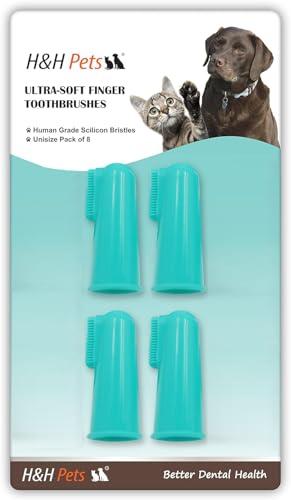
  • Best Finger Brush: H&H Pets Finger Dog Toothbrush. This silicone finger brush fits over your fingertip, giving you precise control and a gent.
At a Glance

Quick Comparison

Quick answer

Our top pick for Boston Terriers is the Nylabone Advanced Oral Care Dog Toothbrush, thanks to its extra-soft bristles and angled head that reaches tight spaces. For a budget-friendly option, the Pet Republique Dual-Ended Toothbrush offers two sizes in one. If your Boston Terrier is extra sensitive, the Virbac C.E.T. Toothbrush with its ultra-soft bristles is a great choice.

What to consider for Dog Toothbrush For Boston Terriers

Boston Terriers have a brachycephalic (short-nosed) skull, which often leads to dental crowding and a higher risk of periodontal disease. Their small mouths require a toothbrush with a compact head and soft bristles to avoid gum irritation. Look for a brush with an angled or curved handle to easily reach molars, and consider a finger brush if your dog is particularly resistant to traditional brushing.

What to look for in a grooming product (shampoo, brush, clipper or wipe)

For a toothbrush, prioritize a small brush head (about 1 inch or less) to fit comfortably in a Boston Terrier’s mouth. Soft bristles are essential to protect sensitive gums. An angled handle improves access to back teeth. Non-slip grip handles offer better control. For dogs that dislike brushing, a finger brush can be a gentle introduction. Always choose a brush specifically designed for dogs, as human toothbrushes are too harsh.

How we chose these picks

  • Evaluated brush head size and shape for small mouths
  • Checked bristle softness to prevent gum damage
  • Considered handle design for ease of use
  • Reviewed product durability and material safety
  • Assessed value for money
  • Read verified buyer feedback on comfort and effectiveness
  • Consulted veterinary dental care guidelines
  • Never ranked a product higher just because it pays a commission

What to avoid

  • Avoid human toothbrushes with hard bristles that can damage gums
  • Do not use toothpaste with xylitol, which is toxic to dogs
  • Avoid brushes with heads that are too large to fit comfortably
  • Never share a toothbrush between dogs to prevent cross-contamination
  • Avoid brushes with metal parts that could scratch enamel

For more grooming tips, check out our dog guides and dog health and dog care products sections.

Why this matters

Boston Terriers are brachycephalic, leading to dental crowding that increases the risk of periodontal disease. A toothbrush with a small head and extra-soft bristles is essential for effective and gentle cleaning.

The Options

Types Explained

Standard Handled Toothbrush

A traditional toothbrush with a long handle and a brush head. Ideal for most dogs, offering good reach and control. Look for small heads and soft bristles.

Best for: Owners comfortable with regular brushing technique

Finger Toothbrush

A silicone or rubber brush that slips over your finger. Provides a gentle, tactile cleaning experience. Good for introducing brushing to puppies or nervous dogs.

Best for: Dogs resistant to handled brushes

Dual-Ended Toothbrush

A toothbrush with two different brush heads on each end, often one larger and one smaller. Offers versatility for different tooth sizes or multiple dogs.

Best for: Households with multiple dogs of varying sizes

Electric Toothbrush

A battery-powered brush with vibrating or rotating bristles. Can remove plaque more effectively but may be noisy. Some dogs may be frightened by the sound.

Best for: Dogs accustomed to the noise and needing extra plaque removal
The Rankings

Top 5 Picks

#1
Nylabone Advanced Oral Care Dog Toothbrush
Best Overall

Nylabone Advanced Oral Care Dog Toothbrush

View on Amazon

The Nylabone Advanced Oral Care Dog Toothbrush features an angled head and extra-soft bristles, making it easy to clean a Boston Terrier's crowded teeth. The non-slip handle offers good control. However, the head may still be slightly large for very small mouths, so it works best for standard-sized Boston Terriers.

#2
Pet Republique Dual-Ended Dog Toothbrush
Best Budget

Pet Republique Dual-Ended Dog Toothbrush

View on Amazon

This dual-ended toothbrush provides two brush sizes in one: a larger end for general cleaning and a smaller end for precision. The soft bristles are gentle on gums. A limitation is that the handle is straight, which can make reaching back molars less ergonomic compared to angled designs.

#3
Virbac C.E.T. Dog Toothbrush
Best for Sensitive Gums

Virbac C.E.T. Dog Toothbrush

View on Amazon

Virbac C.E.T. offers ultra-soft bristles that are ideal for Boston Terriers with sensitive gums or those new to brushing. The small head fits well in small mouths. One trade-off is that the bristles may wear out faster than firmer options, requiring more frequent replacement.

#4
Paws & Pals Dual-Sided Dog Toothbrush
Best for Small Mouths

Paws & Pals Dual-Sided Dog Toothbrush

View on Amazon

Designed specifically for small breeds, this toothbrush has a compact head and soft bristles. The dual-sided brush allows cleaning both sides of teeth simultaneously, reducing brushing time. However, some dogs may find the dual-sided design a bit bulky at first.

#5
H&H Pets Finger Dog Toothbrush
Best Finger Brush

H&H Pets Finger Dog Toothbrush

View on Amazon

This silicone finger brush fits over your fingertip, giving you precise control and a gentle touch. It is excellent for introducing brushing to a nervous Boston Terrier. A limitation is that it does not provide the same mechanical cleaning action as a handled brush, and it may not reach back teeth as effectively.

Before You Buy

Key Buying Factors

01

Brush Head Size

Boston Terriers have small mouths, so a brush head of 1 inch or less is ideal. A smaller head allows better maneuverability and access to all teeth, especially the hard-to-reach molars.

02

Bristle Softness

Soft bristles are crucial to prevent gum irritation and enamel wear. Boston Terriers are prone to gum sensitivity, so avoid medium or hard bristles. Look for brushes labeled 'extra-soft' or 'soft'.

03

Handle Design

An angled or curved handle helps reach the back teeth without straining your hand. A non-slip grip provides better control, especially when brushing a wriggly dog.

04

Material Safety

Choose a toothbrush made from non-toxic, BPA-free materials. Some brushes have rubber grips that may contain latex; if your dog has allergies, opt for silicone or plastic.

05

Ease of Cleaning

Toothbrushes should be easy to rinse and dry to prevent bacterial growth. Some models have removable heads for replacement, which can be more hygienic over time.

Living With It

Care, Cost and Maintenance

Brushing Technique

Hold the toothbrush at a 45-degree angle to the gum line. Use gentle circular motions on the outer surfaces of the teeth. Focus on the back molars where plaque accumulates most. Aim for 30 seconds per side, gradually increasing as your dog gets comfortable.

Introducing Brushing

Start by letting your dog taste pet-safe toothpaste from your finger. Then gently lift their lip and rub the toothpaste on their teeth. Once they accept that, introduce the toothbrush with a small amount of toothpaste. Praise and reward frequently.

Toothbrush Maintenance

Rinse the toothbrush thoroughly after each use and allow it to air dry. Replace the toothbrush every 3 to 4 months or sooner if bristles become frayed. Never share toothbrushes between dogs to prevent cross-contamination.

Pro tip

To make brushing easier, try using a toothbrush with an angled handle and a non-slip grip. This design helps you reach the back molars without straining your wrist, and gives you better control if your dog moves.

Frequently asked questions

How often should I brush my Boston Terrier's teeth?
Ideally, brush your Boston Terrier's teeth daily. At minimum, aim for 2 to 3 times per week. Regular brushing helps prevent plaque buildup, bad breath, and periodontal disease. Boston Terriers are prone to dental issues due to their short snouts and crowded teeth, so consistency is key.
Can I use a human toothbrush on my Boston Terrier?
No, human toothbrushes are not recommended. They typically have harder bristles that can damage your dog's gums and enamel. Additionally, the head shape and size are not designed for a dog's mouth. Always use a toothbrush specifically made for dogs, with soft bristles and a small head.
What type of toothpaste is safe for Boston Terriers?
Use only toothpaste formulated for dogs. Human toothpaste contains xylitol, fluoride, and foaming agents that can be toxic or cause stomach upset if swallowed. Dog toothpaste comes in flavors like poultry or peanut butter that dogs enjoy. Look for enzymatic toothpaste that helps break down plaque.
My Boston Terrier hates having his teeth brushed. What can I do?
Start slowly by letting him taste the toothpaste from your finger. Gradually introduce the toothbrush without toothpaste, letting him lick it. Use positive reinforcement with treats and praise. Try a finger brush if a handled brush is intimidating. Keep sessions short and end on a positive note.
Are finger toothbrushes effective for Boston Terriers?
Finger toothbrushes can be effective for gentle cleaning and are great for introducing brushing. However, they may not remove plaque as thoroughly as a handled brush, especially on back teeth. They are best used as a starting tool or for dogs that are very sensitive to handled brushes.
What should I do if my Boston Terrier's gums bleed when brushing?
Bleeding gums can indicate gingivitis or brushing too hard. Use a softer brush and gentler pressure. If bleeding persists, consult your veterinarian. Regular brushing should reduce inflammation over time. Never stop brushing because of bleeding; instead, adjust technique and schedule a dental check-up.
Can dental chews replace brushing for Boston Terriers?
Dental chews can help reduce plaque and tartar, but they are not a substitute for brushing. They work on the chewing surfaces but do not clean the gum line or inner surfaces of teeth. Use chews as a supplement to brushing, not a replacement. Always choose chews appropriate for your dog's size.
How do I choose the right toothbrush size for my Boston Terrier?
Measure your dog's mouth: the brush head should be about the length of two of your dog's teeth. For Boston Terriers, a head width of 1 inch or less is ideal. The brush should easily fit between the cheek and teeth without forcing. If unsure, start with a small breed-specific brush.
Is it necessary to brush a Boston Terrier puppy's teeth?
Yes, starting early helps your puppy get accustomed to the routine. Use a soft finger brush or a small puppy toothbrush with pet-safe toothpaste. Brushing a few times a week establishes good habits and prevents dental problems later. Make it a positive experience with rewards.
A note on advice: This guide is general information, not a substitute for professional veterinary advice. Talk to your vet before changing your pet's diet or care routine, especially if your pet has allergies, kidney disease, pancreatitis, obesity, heart disease or any other medical condition.
Transparency

How we made this guide

How we chose. We compared the options on the factors that matter most for Dog Care Products, using manufacturer specifications, aggregated verified owner reviews and editorial comparison. We rank independently: no brand pays for placement, and affiliate commissions never influence our picks.

How it was written. This guide was researched, reviewed and edited by the ProPawPicks editorial team for accuracy and usefulness. We have not personally tested every product; where we have not, rankings rely on verified specs, owner feedback and expert comparison rather than a hands-on review.

Affiliate disclosure. ProPawPicks is reader-supported. If you buy through links on our site, we may earn a commission at no extra cost to you. See our affiliate disclosure.

Keep Reading

More Dog Care Products guides

Stop Wasting Treats: 5 Best Interactive Dog Cameras 2026View picks โ†’Invisible Dog Fence for Large Dogs: 5 Best Picks (2026)View picks โ†’Expert Picks: Best Invisible Dog Fence for the Money 2026View picks โ†’The Best Invisible Fence for Dog WirelessView picks โ†’Iris Puppy Playpens: 4 Best Reviewed (2026)View picks โ†’5 Robot Vacuums Tested for Heavy Pet HairView picks โ†’

Sources and further reading

Some links below are affiliate links. If you buy through them we may earn a small commission at no extra cost to you. Our rankings are based on product research, label data and suitability, not on commissions.