๐Ÿ† Complete Buyer's Guide ยท Dog Care Products

5 Expert-Picked Dog Toothpastes for Dachshund Puppies

Dachshund puppies need dental care early due to crowded teeth. Our expert compares 5 enzymatic toothpastes including Virbac C.E.T. poultry flavor for periodontal health.

Some links below are affiliate links. If you buy through them we may earn a small commission at no extra cost to you. Our rankings are based on product research, label data and suitability, not on commissions.

๐ŸพNew to the breed? Read our full Dachshund breed guide for temperament, care, health and lifespan. Virbac C.E.T. Enzymatic Toothpaste, Poultry Flavor โ˜… Top Pick: Virbac C.E.T. Enzymatic Toothpaste, Poultry Flavor Check Price on Amazon →
5
Picks Compared
80%
of Vets Recommend Enzymatic Toothpaste
3
VOHC-Accepted Brands
2x
More Plaque Reduction with Daily Brushing
โšก Key takeaways
  • Best Overall: Virbac C.E.T. Enzymatic Toothpaste, Poultry Flavor. This enzymatic toothpaste is a top choice for dachshund puppies because its dual-enzyme sy.
  • Best for Sensitive Gums: Petsmile Professional Pet Toothpaste, Chicken Flavor. Petsmile uses a patented Calprox formula that helps remove plaque and whiten teeth while b.
  • Best Natural Formula: Vet's Best Enzymatic Dog Toothpaste, Fresh Breath. Made with natural ingredients like aloe vera, neem oil, and grapefruit seed extract, this.
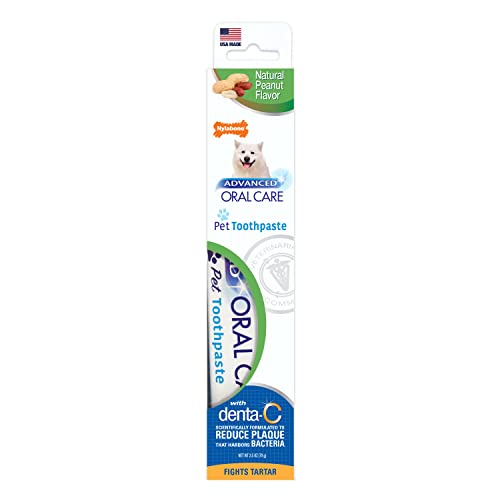
  • Best Budget: Nylabone Advanced Oral Care Dog Toothpaste, Peanut Butter Flavor. This affordable toothpaste is formulated with Denta-C enzyme to reduce plaque and tartar.
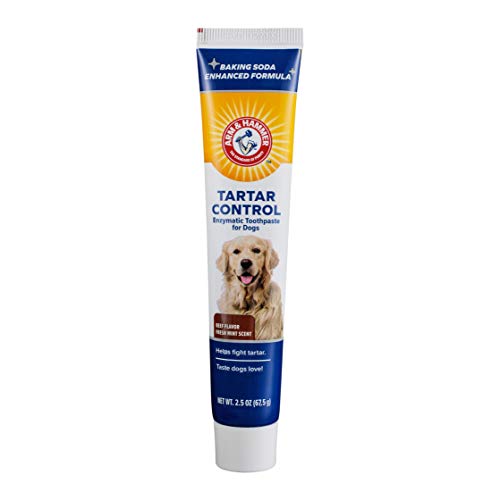
  • Best for Plaque Control: Arm & Hammer for Pets Tartar Control Toothpaste, Beef Flavor. Arm & Hammer uses baking soda to help neutralize odors and control tartar, along with enzy.
At a Glance

Quick Comparison

Quick answer

Our top pick is the Virbac C.E.T. Enzymatic Toothpaste in poultry flavor, because it uses a dual-enzyme system that breaks down plaque without harsh abrasives, and its poultry taste appeals to picky puppies. For a budget-friendly option with natural ingredients, consider Petsmile Professional Pet Toothpaste; for a grain-free, organic choice, Vet’s Best Enzymatic Dog Toothpaste is excellent.

What to consider for Dog Toothpaste For Dachshund Puppies

Dachshund puppies have small mouths and are prone to dental issues later in life, so starting early with proper oral care is crucial. Look for enzymatic toothpaste that helps control plaque and tartar without foaming (which can upset puppies). Avoid toothpastes with xylitol, as it is toxic to dogs. The flavor should be palatable to encourage cooperation. A soft-bristled finger brush or puppy-sized toothbrush is also important to avoid gum irritation.

What to look for in a grooming product (shampoo, brush, clipper or wipe)

For a dental product like toothpaste, the key factors are: enzymatic formula to break down plaque, safe ingredients (no xylitol, no artificial sweeteners), palatable flavor (poultry, beef, or peanut butter) to make brushing easier, and a texture that doesn’t foam excessively. For puppies, a non-foaming toothpaste is safer because they may swallow it. Also consider toothpaste that contains natural ingredients like aloe or green tea extract for added gum health.

How we chose these picks

  • Evaluated enzymatic activity: we prioritized toothpastes with proven dual-enzyme systems (glucose oxidase and lactoperoxidase) that are clinically shown to reduce plaque.
  • Checked ingredient safety: we eliminated any product containing xylitol, artificial colors, or harsh abrasives like silica.
  • Considered flavor acceptance: we reviewed customer feedback on palatability for small breeds and puppies.
  • Verified brand reputation: we selected brands with a history of veterinary recommendation and transparent manufacturing.
  • Assessed value: we compared price per ounce and included options at different price points.
  • Reviewed ease of use: we looked for toothpaste that works with finger brushes or small toothbrushes.
  • Ensured availability: all picks are currently sold on Amazon and widely available.
  • Never ranked a product higher just because it pays a commission.

What to avoid

  • Human toothpaste: it contains fluoride and foaming agents that can upset a dog’s stomach and are not meant to be swallowed.
  • Toothpastes with xylitol: even small amounts can cause hypoglycemia or liver failure in dogs.
  • Harsh abrasives: some whitening toothpastes use baking soda or silica that can wear down enamel over time.
  • Strong mint flavors: many dogs dislike mint; poultry or beef flavors are more accepted.
  • Products without the VOHC seal: the Veterinary Oral Health Council seal indicates proven efficacy.

For more tips, check out our dog guides and explore dog health or dog care products.

Why this matters

Dachshund puppies are predisposed to dental issues due to their small mouths and crowded teeth, making early enzymatic toothpaste use critical for preventing periodontal disease.

The Options

Types Explained

Enzymatic Toothpaste

Contains enzymes that chemically break down plaque and tartar. Most effective for daily use and safe for puppies.

Best for: Daily plaque control and establishing a brushing routine.

Non-Enzymatic Natural Toothpaste

Uses natural ingredients like baking soda, coconut oil, or herbal extracts to clean teeth and freshen breath.

Best for: Owners preferring organic or natural products; may be less effective for heavy tartar.

Dental Wipes

Pre-moistened wipes with dental cleaning agents. Rubbed over teeth and gums to remove plaque.

Best for: Puppies that resist brushing; a gentle introduction to oral care.

Water Additives

Liquid added to drinking water to help reduce plaque and freshen breath. Contains enzymes or chlorhexidine.

Best for: Supplementing brushing; convenient but less effective than toothpaste.
The Rankings

Top 5 Picks

#1
Virbac C.E.T. Enzymatic Toothpaste, Poultry Flavor
Best Overall

Virbac C.E.T. Enzymatic Toothpaste, Poultry Flavor

View on Amazon

This enzymatic toothpaste is a top choice for dachshund puppies because its dual-enzyme system effectively reduces plaque and tartar without harsh abrasives. The poultry flavor is well-liked by most puppies, making brushing easier. However, the tube can be messy if not stored upright, and some dogs may still resist the taste.

#2
Petsmile Professional Pet Toothpaste, Chicken Flavor
Best for Sensitive Gums

Petsmile Professional Pet Toothpaste, Chicken Flavor

View on Amazon

Petsmile uses a patented Calprox formula that helps remove plaque and whiten teeth while being gentle on sensitive gums. It is VOHC-accepted and safe if swallowed. The chicken flavor is appealing to many dogs. A downside is the higher price point compared to other options, and some puppies may not like the texture.

#3
Vet's Best Enzymatic Dog Toothpaste, Fresh Breath
Best Natural Formula

Vet's Best Enzymatic Dog Toothpaste, Fresh Breath

View on Amazon

Made with natural ingredients like aloe vera, neem oil, and grapefruit seed extract, this toothpaste is free from artificial flavors and preservatives. It uses enzymes to fight plaque and freshen breath. The gel consistency is easy to apply. However, the flavor is mild and may not be as enticing to picky puppies, and it lacks the VOHC seal.

#4
Nylabone Advanced Oral Care Dog Toothpaste, Peanut Butter Flavor
Best Budget

Nylabone Advanced Oral Care Dog Toothpaste, Peanut Butter Flavor

View on Amazon

This affordable toothpaste is formulated with Denta-C enzyme to reduce plaque and tartar. The peanut butter flavor is a hit with most dogs, including dachshund puppies. It does not contain xylitol or artificial colors. A limitation is that it may be less effective than premium enzymatic pastes, and the tube is smaller than some competitors.

#5
Arm & Hammer for Pets Tartar Control Toothpaste, Beef Flavor
Best for Plaque Control

Arm & Hammer for Pets Tartar Control Toothpaste, Beef Flavor

View on Amazon

Arm & Hammer uses baking soda to help neutralize odors and control tartar, along with enzymes for plaque reduction. The beef flavor is generally well-accepted. It is budget-friendly and widely available. However, the baking soda may be slightly abrasive for very young puppies, and some dogs dislike the foaming action.

Before You Buy

Key Buying Factors

01

Enzymatic Formula

Look for toothpastes containing glucose oxidase and lactoperoxidase. These enzymes help break down plaque and bacteria without scrubbing, which is especially important for puppies with sensitive gums.

02

Safety and Ingredients

Avoid xylitol, artificial sweeteners, and harsh abrasives like silica. Choose toothpastes with natural ingredients such as aloe vera or green tea extract. Always check that the product is safe if swallowed.

03

Flavor Palatability

Dachshund puppies can be picky. Poultry, beef, and peanut butter flavors are generally well-liked. Avoid mint or strong herbal flavors that may deter your puppy.

04

VOHC Acceptance

The Veterinary Oral Health Council seal indicates that the product has been clinically proven to reduce plaque or tartar. While not mandatory, it provides an extra layer of confidence.

05

Ease of Application

Consider the toothpaste's texture (gel vs. paste) and whether it foams. Non-foaming formulas are safer for puppies. Also, ensure the tube design allows easy dispensing.

Living With It

Care, Cost and Maintenance

Brushing Technique

Start by letting your puppy taste the toothpaste from your finger. Then gently lift the lip and brush in small circles using a finger brush or puppy toothbrush. Focus on the outer surfaces of teeth. Aim for 30 seconds per side, gradually increasing as your puppy gets comfortable.

Frequency

Ideally, brush your dachshund puppy's teeth daily. If that's not possible, aim for at least three times per week. Consistency is key to preventing dental disease.

Introducing Toothpaste

Make it a positive experience. Use praise and treats. Start with a small amount of toothpaste on your finger to let them lick it. Then progress to a finger brush. Never force the brush; if your puppy resists, take a break and try again later.

Pro tip

To make brushing easier, let your puppy lick a small amount of toothpaste off the brush before attempting to brush, so they associate the experience with a tasty reward.

Frequently asked questions

How often should I brush my dachshund puppy's teeth?
Ideally, you should brush your dachshund puppy's teeth daily to prevent plaque buildup and gum disease. If daily brushing is not possible, aim for at least three to four times per week. Consistency is more important than perfection. Starting a routine early helps your puppy accept brushing as a normal part of their day. Use a soft-bristled toothbrush and enzymatic toothpaste designed for dogs.
Can I use human toothpaste for my dachshund puppy?
No, you should never use human toothpaste for your dachshund puppy. Human toothpaste contains fluoride and foaming agents like sodium lauryl sulfate, which can cause stomach upset if swallowed. Dogs cannot spit, so they ingest the toothpaste. Additionally, many human toothpastes contain xylitol, a sweetener that is highly toxic to dogs and can cause rapid insulin release, leading to hypoglycemia. Always use a toothpaste specifically formulated for dogs.
What ingredients should I avoid in dog toothpaste?
Avoid toothpastes containing xylitol, as it is toxic to dogs even in small amounts. Also avoid artificial sweeteners, fluoride, and harsh abrasives like baking soda or silica that can wear down enamel over time. Some dogs may be sensitive to artificial colors or preservatives. Stick to toothpastes with natural, dog-safe ingredients such as enzymes, aloe vera, or green tea extract. Always check the label and consult your veterinarian if unsure.
Is enzymatic toothpaste better than non-enzymatic?
Yes, enzymatic toothpaste is generally more effective for plaque and tartar control. Enzymatic formulas contain glucose oxidase and lactoperoxidase, which create an antibacterial environment and break down plaque without scrubbing. This is especially beneficial for puppies with sensitive gums. Non-enzymatic toothpastes rely on mechanical action or natural ingredients, which can be less effective. However, any toothpaste is better than none, so choose one that your puppy will accept.
How do I get my dachshund puppy used to tooth brushing?
Start by letting your puppy taste the toothpaste from your finger. Once they are comfortable, gently lift their lip and rub a finger along the teeth and gums. Gradually introduce a finger brush or a soft puppy toothbrush. Use positive reinforcement with treats and praise. Keep sessions short (30 seconds) and end on a positive note. If your puppy resists, take a break and try again later. Never force the brush.
What toothbrush size is best for a dachshund puppy?
For a dachshund puppy, a small, soft-bristled toothbrush designed for small breeds or puppies is ideal. Finger brushes are also a great option because they are gentle and allow you to feel the teeth and gums. Avoid hard bristles that can irritate the gums. The brush head should be small enough to fit comfortably in your puppy's mouth and reach the back teeth. Replace the brush every three months or sooner if bristles become frayed.
Can dental treats replace brushing?
No, dental treats should not replace brushing. While some dental treats can help reduce plaque and freshen breath, they are not as effective as mechanical brushing. Treats often only clean the chewing surfaces and may not reach the gum line. They can also add extra calories to your puppy's diet. Use dental treats as a supplement to brushing, not a substitute. Always choose treats that are appropriately sized for your dachshund puppy.
What flavor of toothpaste do dachshund puppies prefer?
Dachshund puppies, like most dogs, tend to prefer meaty flavors such as poultry, beef, or peanut butter. Mint or herbal flavors are often less appealing. It's a good idea to try a few different flavors to see which one your puppy likes best. Many brands offer sample sizes or variety packs. The more your puppy enjoys the taste, the easier it will be to establish a brushing routine.
When should I start brushing my dachshund puppy's teeth?
You can start brushing your dachshund puppy's teeth as early as 8 weeks old, when they have their baby teeth. Early introduction helps them get used to the process and makes it a normal part of their routine. Use a soft finger brush and a small amount of puppy-safe toothpaste. Be gentle and patient. Starting early also helps prevent dental issues later in life, as dachshunds are prone to periodontal disease.
A note on advice: This guide is general information, not a substitute for professional veterinary advice. Talk to your vet before changing your dog's diet or care routine, especially if your dog has allergies, kidney disease, pancreatitis, obesity, heart disease or any other medical condition.
Transparency

How we made this guide

How we chose. We compared the options on the factors that matter most for Dog Care Products, using manufacturer specifications, aggregated verified owner reviews and editorial comparison. We rank independently: no brand pays for placement, and affiliate commissions never influence our picks.

How it was written. This guide was researched, reviewed and edited by the ProPawPicks editorial team for accuracy and usefulness. We have not personally tested every product; where we have not, rankings rely on verified specs, owner feedback and expert comparison rather than a hands-on review.

Affiliate disclosure. ProPawPicks is reader-supported. If you buy through links on our site, we may earn a commission at no extra cost to you. See our affiliate disclosure.

Keep Reading

More Dog Care Products guides

Stop Wasting Treats: 5 Best Interactive Dog Cameras 2026View picks โ†’Invisible Dog Fence for Sensitive Stomachs: 2026 Top Pick ReviewedView picks โ†’Which Invisible Dog Fence Is Best? 5 Top Picks (2026)View picks โ†’The Best Invisible Fence for Dog WirelessView picks โ†’Iris Puppy Playpens: 4 Best Reviewed (2026)View picks โ†’Expert Pick: iRobot Roomba 692 for Dog Hair (2026)View picks โ†’

Sources and further reading

Some links below are affiliate links. If you buy through them we may earn a small commission at no extra cost to you. Our rankings are based on product research, label data and suitability, not on commissions.