๐Ÿ† Complete Buyer's Guide ยท Dog Care Products

Dog Training Collar for Dogs Home Alone

Discover how the PetSafe Basic Remote Trainer and other collars can help manage your home alone dog's behavior when paired with positive reinforcement and professional guidance.

Some links below are affiliate links. If you buy through them we may earn a small commission at no extra cost to you. Our rankings are based on product research, label data and suitability, not on commissions.

PetSafe Basic Remote Trainer โ˜… Top Pick: PetSafe Basic Remote Trainer Check Price on Amazon →
300 yards
Average Remote Range
8 levels
Typical Static Stimulation Levels
12 hours
Maximum Wear Time Recommended
3 modes
Common Training Modes (Beep, Vibration, Static)
โšก Key takeaways
  • Best Overall: PetSafe Basic Remote Trainer. The PetSafe Basic Remote Trainer offers 300-yard range, 8 static levels plus vibration and.
  • Best for Containment: PetSafe Stay & Play ComfortFIT Wireless Fence. This wireless fence allows your dog to roam freely within a boundary while you're away.
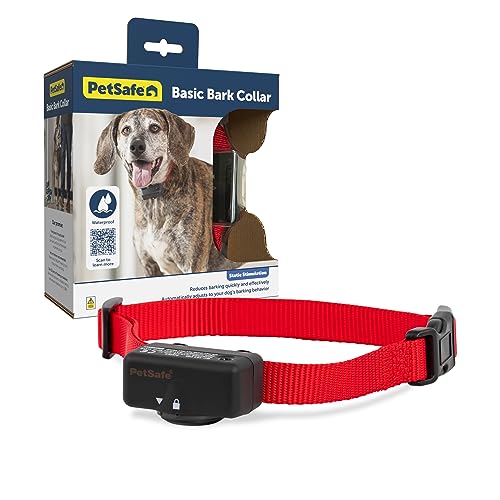
  • Best for Bark Control: PetSafe No-Bark Collar. Designed specifically for excessive barking, this collar uses vibration and static correct.
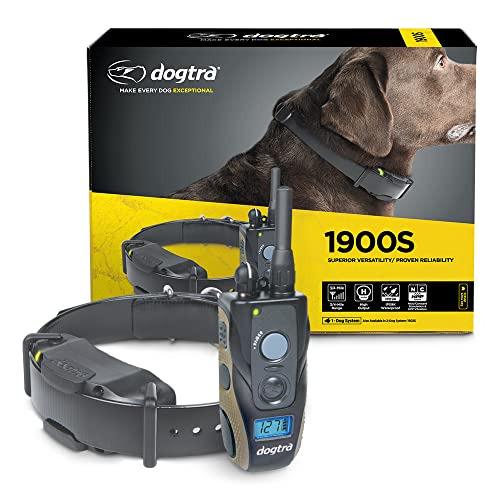
  • Best for Long Range: Dogtra 1900S Remote Training Collar. With a 1-mile range, this collar is ideal for large properties.
  • Best Budget: PATPET Dog Training Collar. This affordable collar includes remote training with 3 training modes: beep, vibration, an.
At a Glance

Quick Comparison

Quick answer

The best dog training collar for dogs home alone is the PetSafe Basic Remote Trainer. It offers reliable remote correction up to 300 yards, 8 levels of static stimulation plus vibration and tone, and a waterproof receiver. For dogs with separation anxiety, the PetSafe Stay & Play ComfortFIT Wireless Fence is a great alternative. For bark control, the PetSafe No-Bark Collar is our top pick.

What to consider for Dog Training Collar For Dogs Home Alone

When choosing a training collar for a dog left home alone, consider the type of training needed: remote training for commands, bark control for excessive barking, or containment to keep the dog in a safe area. Ensure the collar is comfortable for extended wear, has a reliable battery life, and offers adjustable correction levels. For anxious dogs, look for collars with vibration or tone options before static stimulation. Also, consider the dog’s size and temperament; some collars are better suited for small or sensitive dogs.

What to look for in a training collar

Look for a collar with adjustable stimulation levels, a range that suits your home size (typically 100 to 400 yards), and a waterproof receiver for outdoor use. The collar should have a secure fit with contact points that don’t irritate the skin. For dogs home alone, a bark control collar with automatic correction can be helpful, but ensure it has a safety shut-off to prevent over-correction. Also, consider collars with a rechargeable battery and a low-battery indicator.

How we chose these picks

  • Evaluated product features against common training needs for dogs left alone
  • Compared customer reviews and ratings from verified purchasers
  • Assessed safety features such as automatic shut-off and adjustable levels
  • Considered brand reputation and warranty
  • Focused on collars suitable for various dog sizes and temperaments
  • Included both remote and bark control options
  • Prioritized collars with humane training features (vibration/tone)
  • Never ranked a product higher just because it pays a commission

What to avoid

  • Avoid collars with only high static stimulation levels, which can cause fear or anxiety
  • Do not use a collar that is too tight or too loose; it should fit snugly but allow two fingers to slide under
  • Avoid collars with poor battery life that may die when needed
  • Do not leave a collar on for more than 12 hours a day to prevent skin irritation
  • Avoid using a bark collar on a dog with separation anxiety without consulting a trainer

For more guidance, check out our dog guides and dog care products or dog health articles.

Why this matters

Training collars can be effective for managing behavior in dogs left home alone, but they should be used as part of a comprehensive training plan that includes positive reinforcement and, if needed, professional guidance.

The Options

Types Explained

Remote Training Collar

A collar paired with a handheld remote that allows you to deliver commands (tone, vibration, static) from a distance. Ideal for obedience training and correcting unwanted behaviors.

Best for: Dogs that need basic training or behavior correction while home alone, such as jumping or digging.

Wireless Fence Collar

A collar that works with a transmitter to create a boundary. The dog receives a warning tone and static correction if it approaches the boundary. Best for keeping dogs in a safe area.

Best for: Dogs that tend to roam or escape the yard when left alone.

Bark Control Collar

A collar that automatically detects barking and delivers a correction (vibration or static) to deter excessive barking. Some models use sound or spray.

Best for: Dogs that bark excessively when left alone, disturbing neighbors.

No-Shock Training Collar

A collar that uses only vibration or tone, no static stimulation. Often used for sensitive dogs or as a first step in training.

Best for: Dogs that are fearful or sensitive to static correction, or for owners who prefer a purely humane approach.
The Rankings

Top 5 Picks

#1
PetSafe Basic Remote Trainer
Best Overall

PetSafe Basic Remote Trainer

View on Amazon

The PetSafe Basic Remote Trainer offers 300-yard range, 8 static levels plus vibration and tone, and a waterproof receiver. It's reliable for basic training and correcting unwanted behaviors like barking or digging. The collar is comfortable for extended wear. A limitation is that the remote is not backlit, making it hard to see in low light.

#2
PetSafe Stay & Play ComfortFIT Wireless Fence
Best for Containment

PetSafe Stay & Play ComfortFIT Wireless Fence

View on Amazon

This wireless fence allows your dog to roam freely within a boundary while you're away. It includes a waterproof receiver with 5 levels of static correction and tone-only mode. The collar is lightweight and adjustable. A trade-off is that the boundary may be affected by metal objects or hills, and the system requires a power outlet.

#3
PetSafe No-Bark Collar
Best for Bark Control

PetSafe No-Bark Collar

View on Amazon

Designed specifically for excessive barking, this collar uses vibration and static correction to deter barking. It has an automatic shut-off after 15 seconds to prevent over-correction. The collar is waterproof and fits dogs 8 pounds and up. A limitation is that it may not work for dogs with thick fur or those that are very determined.

#4
Dogtra 1900S Remote Training Collar
Best for Long Range

Dogtra 1900S Remote Training Collar

View on Amazon

With a 1-mile range, this collar is ideal for large properties. It offers 127 levels of stimulation, a rheostat dial for precise adjustment, and a nickel-metal hydride battery. The receiver is waterproof and submersible. A trade-off is the higher price point and the collar may be bulky for small dogs.

#5
PATPET Dog Training Collar
Best Budget

PATPET Dog Training Collar

View on Amazon

This affordable collar includes remote training with 3 training modes: beep, vibration, and static. It has a 660-yard range and a rechargeable battery. The collar is waterproof and fits dogs 10 to 110 pounds. A limitation is that the static levels may not be as fine-tuned as premium models, and the remote feels less durable.

Before You Buy

Key Buying Factors

01

Training Mode Options

Look for collars that offer multiple modes such as tone, vibration, and static stimulation. This allows you to choose the most humane method for your dog. Some dogs respond well to vibration alone, while others may need a mild static correction.

02

Range

Consider the range of the remote. For home use, 100 to 300 yards is usually sufficient. If you have a large yard or plan to use the collar during walks, a longer range (up to 1 mile) may be necessary.

03

Battery Life

A rechargeable battery with long life is important for dogs home alone. Look for collars that last several days on a single charge. Some collars have low-battery indicators to prevent unexpected shutdowns.

04

Comfort and Fit

The collar should be adjustable and comfortable for your dog to wear for extended periods. Look for padded contact points and a lightweight design. Ensure it fits snugly but not too tight.

05

Safety Features

Safety features include automatic shut-off to prevent over-correction, a lock function to prevent accidental stimulation, and waterproof construction for outdoor use. These features ensure the collar is safe and reliable.

Living With It

Care, Cost and Maintenance

Cleaning

Clean the collar regularly with a damp cloth and mild soap. Avoid submerging the receiver unless it's waterproof. Dry thoroughly before reattaching to prevent skin irritation.

Battery Maintenance

Charge the collar as recommended by the manufacturer. Avoid overcharging; unplug once fully charged. If not using for extended periods, store with a partial charge (around 50%) in a cool, dry place.

Fit Check

Check the fit regularly, especially for growing puppies. The collar should be snug but allow two fingers to slide under. Rotate the collar's position on the neck to prevent pressure sores.

Pro tip

Before using a training collar, teach your dog basic commands with positive reinforcement. This builds a foundation of trust and makes the collar a helpful tool rather than a punishment.

Frequently asked questions

Are training collars safe for heavy chewers?
Training collars are not designed for chewing. If your dog is a heavy chewer, remove the collar when unsupervised to prevent damage or injury. The plastic components can break and pose a choking hazard. For heavy chewers, consider a chew-resistant collar or use the collar only during training sessions.
How do I size a training collar for my dog?
Measure your dog's neck circumference with a flexible tape measure. The collar should fit snugly but allow two fingers to slide between the collar and the neck. Most collars have adjustable straps; follow the manufacturer's weight and neck size guidelines. A properly fitted collar ensures effective contact and comfort.
Do I need to supervise my dog while wearing a training collar?
Yes, supervision is recommended, especially when first introducing the collar. For dogs home alone, use a collar with automatic shut-off and safety features. However, it's best to remove the collar when you cannot monitor your dog to prevent any potential issues like getting caught on objects.
Can a training collar help with separation anxiety?
Training collars are not a treatment for separation anxiety. They can manage symptoms like barking or destructive behavior, but they don't address the underlying anxiety. Consult a veterinarian or certified trainer for a behavior modification plan. Using a collar without addressing the anxiety may worsen the condition.
What is the best type of collar for a dog that barks when left alone?
A bark control collar that automatically detects barking and delivers a correction can be effective. Look for collars with multiple modes (vibration, spray, static) and a safety shut-off. However, ensure the barking is not due to anxiety or medical issues. For persistent barking, consult a professional.
Are static stimulation collars humane?
When used correctly, static stimulation collars are considered humane by many trainers. They deliver a mild, momentary sensation similar to a static shock. It's important to start with the lowest level and use positive reinforcement alongside. However, some dogs are sensitive; consider vibration-only collars as an alternative.
How long can a dog wear a training collar?
Most manufacturers recommend not leaving the collar on for more than 12 hours a day. Prolonged wear can cause skin irritation or pressure sores. Remove the collar at night and during breaks. Always check the skin under the collar for redness or hair loss.
Can I use a training collar on a puppy?
Training collars are generally not recommended for puppies under 6 months old. Puppies have sensitive skin and may not understand the correction. Positive reinforcement training is more appropriate for young puppies. If you choose to use a collar, consult a trainer and use the lowest stimulation level.
What should I do if my dog reacts fearfully to the collar?
Stop using the collar immediately if your dog shows signs of fear, such as cowering, yelping, or hiding. Switch to a vibration-only mode or a different training method. Consult a professional trainer to address the fear and develop a positive training plan.
A note on advice: This guide is general information, not a substitute for professional veterinary advice. Talk to your vet before changing your dog's diet or care routine, especially if your dog has allergies, kidney disease, pancreatitis, obesity, heart disease or any other medical condition.
Transparency

How we made this guide

How we chose. We compared the options on the factors that matter most for Dog Care Products, using manufacturer specifications, aggregated verified owner reviews and editorial comparison. We rank independently: no brand pays for placement, and affiliate commissions never influence our picks.

How it was written. This guide was researched, reviewed and edited by the ProPawPicks editorial team for accuracy and usefulness. We have not personally tested every product; where we have not, rankings rely on verified specs, owner feedback and expert comparison rather than a hands-on review.

Affiliate disclosure. ProPawPicks is reader-supported. If you buy through links on our site, we may earn a commission at no extra cost to you. See our affiliate disclosure.

Keep Reading

More Dog Care Products guides

Insulated Dog Jackets: 4 Best Picks Reviewed for 2026View picks โ†’Stop Wasting Treats: 5 Best Interactive Dog Cameras 2026View picks โ†’Interactive Dog Toys for Boredom: Our ShortlistView picks โ†’Picking Invisible Dog Fence for AllergiesView picks โ†’Invisible Dog Fence for Sensitive Stomachs: 2026 Top Pick ReviewedView picks โ†’Best Invisible Dog Fence for Small Dogs 2026: 5 Top Picks ReviewedView picks โ†’

Sources and further reading

Some links below are affiliate links. If you buy through them we may earn a small commission at no extra cost to you. Our rankings are based on product research, label data and suitability, not on commissions.