๐Ÿ† Complete Buyer's Guide ยท Dog Care Products

What’s Best Dog Training Collar for Under 20 Lbs?

Find the lightest training collar for small dogs under 20 lbs, like the PetSafe Lite under 2 ounces. Precise, gentle stimulation for sensitive breeds.

Some links below are affiliate links. If you buy through them we may earn a small commission at no extra cost to you. Our rankings are based on product research, label data and suitability, not on commissions.

PetSafe Lite Rechargeable Dog Training Collar โ˜… Top Pick: PetSafe Lite Rechargeable Dog Training Collar Check Price on Amazon →
1.5 oz
Lightest receiver weight
300 ft
Minimum effective range
8
Average number of stimulation levels
6-14 in
Recommended neck size range
โšก Key takeaways
  • Best Overall: PetSafe Lite Rechargeable Dog Training Collar. This collar is lightweight at just 1.5 ounces and has a slim receiver that fits small neck.
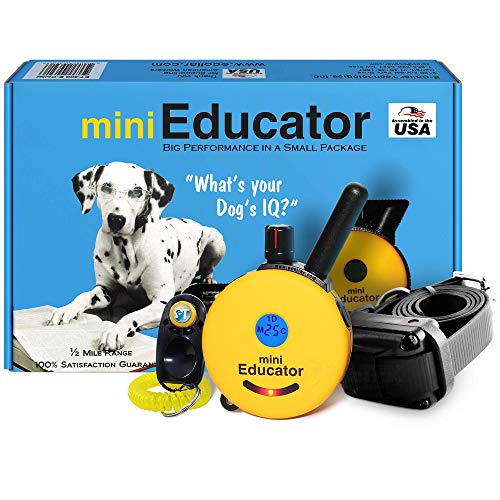
  • Best for Sensitive Dogs: Educator E-Collar Mini. With 100 levels of stimulation and a micro-adjustment dial, this collar allows precise con.
  • Best Budget: NPS No Shock Dog Training Collar. This vibration-only collar is a humane alternative for owners who want to avoid static sti.
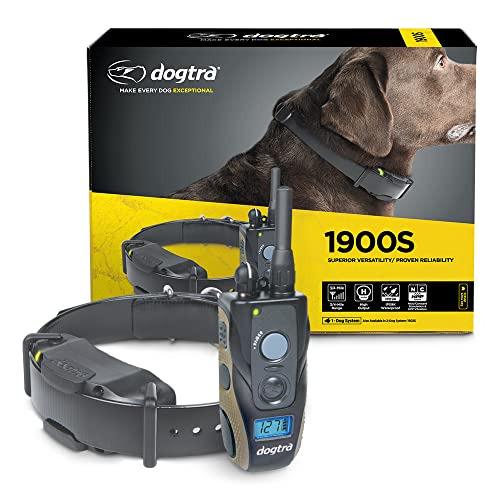
  • Best for Long Range: Dogtra 1900S Remote Training Collar. With a 3/4 mile range and 127 stimulation levels, this collar is ideal for recall training.
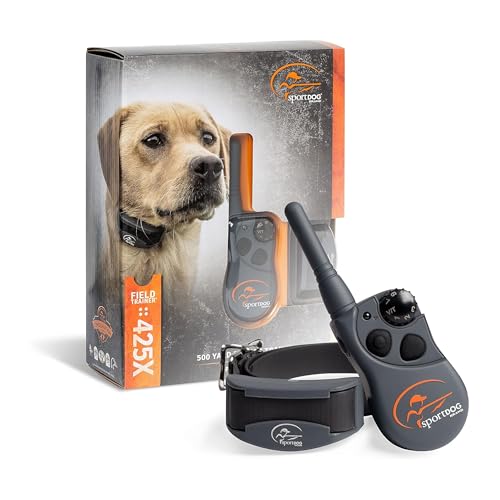
  • Best for Durability: SportDOG Brand 425 Remote Trainers. This collar is built to withstand rough use with a rugged, waterproof receiver.
At a Glance

Quick Comparison

Quick answer

The best dog training collar for dogs under 20 lbs is the PetSafe Lite Rechargeable Dog Training Collar due to its lightweight design, adjustable static levels, and reliable range. For budget-conscious owners, the NPS No Shock Dog Training Collar offers an affordable vibration-only alternative, while the Educator E-Collar Mini provides precise stimulation for sensitive dogs.

What to consider for Dog Training Collar For Dogs Under 20 Lbs

Small dogs need a collar that fits snugly without being too heavy. Look for a collar with a receiver weight under 2 ounces and a strap width of 0.5 to 0.75 inches. The stimulation levels should start very low to accommodate sensitive temperaments. Water resistance is important for outdoor use, and a range of at least 300 feet is ideal for recall training. Also consider whether you prefer static, vibration, or tone-only modes.

What to look for in a training collar

Choose a collar with a receiver that is appropriately sized for your dog’s neck circumference (typically 6 to 14 inches). The material should be durable nylon or neoprene. Ensure the collar has multiple stimulation levels so you can find the lowest effective setting. A rechargeable battery is convenient, but some prefer replaceable batteries for longevity. Look for a collar with a safety shut-off feature to prevent over-stimulation.

How we chose these picks

  • Evaluated receiver weight and strap adjustability for small dogs
  • Compared stimulation levels and range specifications
  • Reviewed user feedback on reliability and battery life
  • Considered safety features like automatic shut-off
  • Checked for waterproof ratings suitable for outdoor use
  • Assessed ease of use for training sessions
  • Never ranked a product higher just because it pays a commission

What to avoid

  • Collars with receivers heavier than 3 ounces that can strain a small dog’s neck
  • Models with only high-level static stimulation that may cause fear or anxiety
  • Collars with poor fit that can slip off or cause chafing
  • Products without a warranty or customer support
  • Using a collar as a substitute for positive reinforcement training

For more guidance, check out our dog guides and dog care products or dog health sections.
Why this matters

The lightest training collars for small dogs weigh under 2 ounces, which is crucial for dogs under 20 lbs to avoid neck strain. Models with micro-adjustment levels allow precise stimulation for sensitive breeds.

The Options

Types Explained

Static Stimulation Collars

These collars deliver a mild electric pulse to get the dog's attention. They usually have adjustable levels and are effective for recall and boundary training.

Best for: Dogs that are easily distracted or need a stronger correction for safety.

Vibration Collars

These use vibration only, no static shock. They are considered more humane and work well for sensitive dogs or those that respond to tactile cues.

Best for: Timid or anxious dogs, or owners who prefer a non-aversive method.

Tone/Beep Collars

These emit a beep or tone as a cue. They are often used in combination with vibration or static, but can be used alone for already trained dogs.

Best for: Reinforcing known commands or for dogs that are sound-sensitive.

Combination Collars

These offer multiple modes: tone, vibration, and static. They provide flexibility to choose the most appropriate stimulus for the situation.

Best for: Versatile training needs, allowing the owner to adjust based on the dog's response.
The Rankings

Top 5 Picks

#1
PetSafe Lite Rechargeable Dog Training Collar
Best Overall

PetSafe Lite Rechargeable Dog Training Collar

View on Amazon

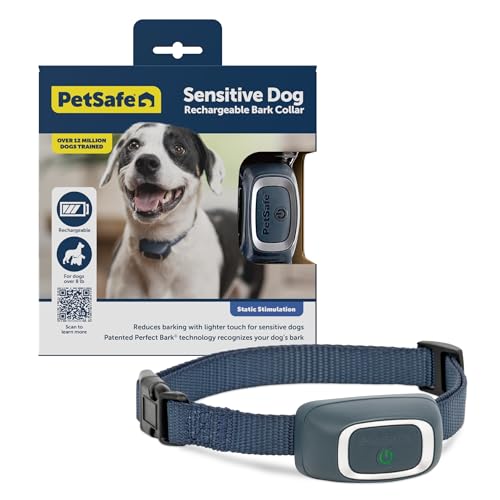
This collar is lightweight at just 1.5 ounces and has a slim receiver that fits small necks well. It offers 8 static levels plus a tone mode, and the range is 300 feet. The battery lasts 40 hours per charge. A limitation is that the collar strap may be too long for very tiny dogs, requiring trimming.

#2
Educator E-Collar Mini
Best for Sensitive Dogs

Educator E-Collar Mini

View on Amazon

With 100 levels of stimulation and a micro-adjustment dial, this collar allows precise control for timid dogs. The receiver weighs 2 ounces and the collar fits necks 6 to 22 inches. It has a waterproof design and a 1/2 mile range. The downside is the higher price point.

#3
NPS No Shock Dog Training Collar
Best Budget

NPS No Shock Dog Training Collar

View on Amazon

This vibration-only collar is a humane alternative for owners who want to avoid static stimulation. It has 8 vibration modes and a beep function. The receiver is 1.8 ounces and the range is 330 feet. However, the vibration may not be effective for all dogs, especially those with thick coats.

#4
Dogtra 1900S Remote Training Collar
Best for Long Range

Dogtra 1900S Remote Training Collar

View on Amazon

With a 3/4 mile range and 127 stimulation levels, this collar is ideal for recall training in open areas. The receiver is 2.5 ounces and fits necks 8 to 24 inches. It is fully waterproof. A trade-off is that the collar may be bulkier than others for very small dogs.

#5
SportDOG Brand 425 Remote Trainers
Best for Durability

SportDOG Brand 425 Remote Trainers

View on Amazon

This collar is built to withstand rough use with a rugged, waterproof receiver. It has 21 stimulation levels and a tone option. The receiver weighs 2.8 ounces and the range is 425 yards. The limitation is that the lowest stimulation level may still be too high for some sensitive small dogs.

Before You Buy

Key Buying Factors

01

Receiver Weight

For dogs under 20 lbs, the receiver should weigh less than 3 ounces to avoid discomfort or neck strain. Lighter models (under 2 ounces) are preferable for very small breeds.

02

Stimulation Levels

A collar with multiple levels (at least 8) allows you to find the lowest effective setting. Some collars offer micro-adjustment for sensitive dogs.

03

Range

Consider the distance you need for training. For backyard use, 300 feet is sufficient; for field training, look for 1/2 mile or more.

04

Fit and Adjustability

The collar strap should fit neck circumferences as small as 6 inches. Look for collars with multiple adjustment holes or a quick-snap buckle for easy on/off.

05

Battery Life and Charging

Rechargeable collars are convenient but check battery life (40+ hours is good). Some collars use replaceable batteries, which can be easier for long-term use.

Living With It

Care, Cost and Maintenance

Cleaning the Collar

Wipe the receiver and strap with a damp cloth after each use to remove dirt and moisture. Avoid submerging unless the collar is waterproof. For nylon straps, hand wash with mild soap and air dry.

Battery Maintenance

For rechargeable collars, charge fully before first use and avoid overcharging. If storing for long periods, charge to 50% and store in a cool, dry place. Replace batteries as needed for non-rechargeable models.

Fit Check

Regularly check the collar fit as your dog grows or gains/loses weight. The collar should be snug but allow two fingers to slide underneath. Remove the collar when not in use to prevent skin irritation.

Pro tip

Before using a training collar, practice with the tone or vibration mode only for a few days to associate the sensation with positive experiences like treats and play.

Frequently asked questions

Are training collars safe for small dogs under 20 lbs?
Yes, when used correctly. Choose a collar specifically designed for small dogs with low stimulation levels and a lightweight receiver. Always start with the lowest setting and use positive reinforcement. Consult a professional trainer if unsure. Never leave the collar on for extended periods to avoid pressure sores.
How do I size a training collar for my small dog?
Measure your dog's neck circumference with a soft tape measure. The collar should fit snugly but not tight, allowing two fingers to fit between the collar and neck. The receiver should sit on the side of the neck, not the throat. Most collars have adjustable straps; ensure the smallest setting fits your dog.
Can I leave the training collar on my dog all day?
No, it is not recommended. Prolonged wear can cause skin irritation or pressure sores. Remove the collar after training sessions and when your dog is indoors. Only use during supervised training or when necessary for safety, such as off-leash walks.
What is the best way to introduce a training collar to a small dog?
Start by letting your dog wear the collar without any stimulation for a few days to get used to the weight. Pair with treats and praise. Then, use the lowest stimulation level while giving a command, and reward immediately. Keep sessions short (5 to 10 minutes) and end on a positive note.
Are vibration-only collars effective for training?
Vibration collars can be effective for many dogs, especially those sensitive to static. The vibration acts as a tactile cue to get attention. However, some dogs may ignore vibration if they are highly distracted or have thick coats. They work best when combined with positive reinforcement.
How do I clean a training collar?
Wipe the receiver with a damp cloth and mild soap. For the strap, hand wash with soap and water and air dry completely. Avoid using harsh chemicals. If the collar is waterproof, you can rinse it under running water. Ensure all parts are dry before reattaching.
What should I do if my dog has a negative reaction to the collar?
Stop using the collar immediately. Signs of distress include yelping, cowering, or trying to escape. Consult a professional trainer or veterinarian. It may be that the stimulation level is too high or the collar is not a good fit for your dog's temperament. Consider alternative training methods.
Can training collars be used for puppies?
Most manufacturers recommend waiting until the puppy is at least 6 months old. Puppies are still developing and may not understand the correction. Positive reinforcement methods are generally preferred for young puppies. Always check the product's age recommendation.
Do training collars work for deaf dogs?
Yes, vibration collars can be effective for deaf dogs as the vibration serves as a cue. Some collars have a vibration-only mode. Pair the vibration with a visual signal (like a hand sign) and reward. Avoid static stimulation for deaf dogs as they cannot hear the warning tone.
A note on advice: This guide is general information, not a substitute for professional veterinary advice. Talk to your vet before changing your dog's diet or care routine, especially if your dog has allergies, kidney disease, pancreatitis, obesity, heart disease or any other medical condition.
Transparency

How we made this guide

How we chose. We compared the options on the factors that matter most for Dog Care Products, using manufacturer specifications, aggregated verified owner reviews and editorial comparison. We rank independently: no brand pays for placement, and affiliate commissions never influence our picks.

How it was written. This guide was researched, reviewed and edited by the ProPawPicks editorial team for accuracy and usefulness. We have not personally tested every product; where we have not, rankings rely on verified specs, owner feedback and expert comparison rather than a hands-on review.

Affiliate disclosure. ProPawPicks is reader-supported. If you buy through links on our site, we may earn a commission at no extra cost to you. See our affiliate disclosure.

Keep Reading

More Dog Care Products guides

Interactive Dog Toys for Boredom: Our ShortlistView picks โ†’Interactive Dog Toys, ComparedView picks โ†’Best Invisible Dog Fence for Small Dogs 2026: 5 Top Picks ReviewedView picks โ†’Expert Picks: Best Invisible Dog Fence for the Money 2026View picks โ†’The Best Invisible Fence for Dog WirelessView picks โ†’Iris Puppy Playpens: 4 Best Reviewed (2026)View picks โ†’

Sources and further reading

Some links below are affiliate links. If you buy through them we may earn a small commission at no extra cost to you. Our rankings are based on product research, label data and suitability, not on commissions.