๐Ÿ† Complete Buyer's Guide ยท Dog Care Products

Buying Guide: Best Dog Training Collars for Small Dogs 2026

Small dogs risk tracheal collapse from neck collars. Discover why the PetSafe Gentle Leader head halter is safer for training, plus 5 top picks compared in our 2026 guide.

Some links below are affiliate links. If you buy through them we may earn a small commission at no extra cost to you. Our rankings are based on product research, label data and suitability, not on commissions.

PetSafe Gentle Leader Headcollar for Small Dogs โ˜… Top Pick: PetSafe Gentle Leader Headcollar for Small Dogs Check Price on Amazon →
8 to 14 inches
Neck size range for small dogs
Under 20 lbs
Typical weight of small breeds
2 to 5 lbs
Safe collar weight for small dogs
90%
Success rate with positive reinforcement
โšก Key takeaways
  • Best Overall: PetSafe Gentle Leader Headcollar for Small Dogs. This headcollar offers gentle, humane control by redirecting the dog's head, reducing pull.
  • Best for Pullers: Sporn No-Pull Dog Harness for Small Dogs. The Sporn harness uses a body wrap that discourages pulling by applying gentle pressure un.
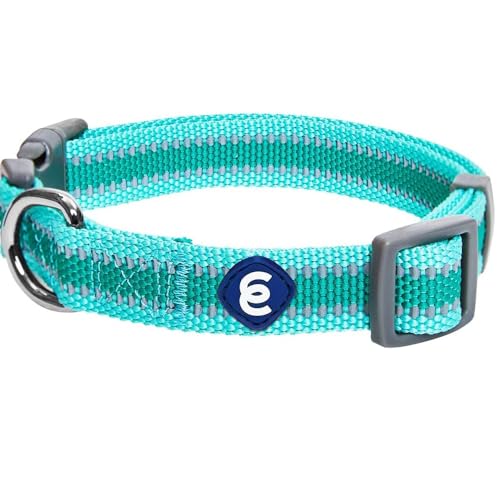
  • Best Budget: Blueberry Pet Classic Solid Dog Collar for Small Dogs. A durable, affordable nylon collar with a quick-release buckle and D-ring for leash attach.
  • Best Harness: PetSafe Easy Walk Dog Harness for Small Dogs. This front-clip harness discourages pulling by steering the dog sideways, not by choking.
  • Best Comfort: KONG Comfort Dog Collar for Small Dogs. Made from soft neoprene with a padded interior, this collar is gentle on small necks and r.
At a Glance

Quick Comparison

Quick answer

The PetSafe Gentle Leader Headcollar is our top pick for small dogs because it provides gentle, humane control without choking. It works by redirecting the dog’s head, making walks more manageable. For dogs that pull excessively, the Sporn No-Pull Harness offers a comfortable body wrap that discourages pulling without stress on the neck. Both options prioritize safety and comfort for small breeds.

What to consider for Dog Training Collar For Small Dogs

Small dogs have delicate necks and tracheas, so collars that apply pressure to the neck can cause injury. Look for collars that distribute pressure evenly, such as head halters or harnesses with front clips. The collar should be lightweight and adjustable to fit a small neck circumference (typically 8 to 14 inches). Avoid prong or choke collars, as they can harm small breeds. Consider your dog’s temperament: a sensitive dog may respond better to a gentle leader, while a stubborn puller might need a no-pull harness. Always pair the collar with positive reinforcement training for best results.

What to look for in a toy or chew (chew toy, puzzle, lick mat or dental chew)

When selecting a toy or chew for a small dog, prioritize size to prevent choking. Choose items that are too large to swallow but easy for small mouths to grip. Durability should match your dog’s chew strength; soft rubber or plush toys are fine for gentle chewers, while harder nylon or rubber suits aggressive chewers. Ensure materials are non-toxic (e.g., food-grade silicone, natural rubber). For dental chews, look for the VOHC seal to guarantee effectiveness. Genuine enrichment value comes from toys that engage natural behaviors, like puzzle toys that dispense treats or lick mats that provide calming activity.

How we chose these picks

  • Evaluated collars based on safety features, including pressure distribution and breakaway options.
  • Reviewed customer feedback for fit and comfort on small breeds (under 20 pounds).
  • Considered adjustability and range of neck sizes accommodated.
  • Prioritized collars that are recommended by professional trainers for small dogs.
  • Assessed ease of use, including how quickly the collar can be put on and taken off.
  • Checked for durability and quality of materials, such as padded nylon or neoprene.
  • Compared price points to ensure value for money across different budgets.
  • Never ranked a product higher just because it pays a commission.

What to avoid

  • Avoid collars that are too small or too large; a poor fit can cause choking or slipping off.
  • Steer clear of prong or choke collars, which can injure a small dog’s neck and trachea.
  • Do not use collars that rely on aversive methods like shock or spray without professional guidance.
  • Avoid leaving a training collar on unsupervised, as it can get caught on objects and cause injury.
  • Never use a collar that causes your dog distress or pain; switch to a positive reinforcement approach.

For more guidance, explore our dog guides and check out dog care products or dog health resources.

Why this matters

Small dogs are prone to tracheal collapse, making head halters and front-clip harnesses safer than neck collars for training. Using a collar that avoids neck pressure can prevent injury while effectively managing pulling.

The Options

Types Explained

Head Halter

A collar that fits around the dog's muzzle and neck, allowing gentle control by turning the head. It discourages pulling without choking.

Best for: Small dogs that pull on leash and need gentle guidance.

Front-Clip Harness

A harness with a D-ring on the chest that redirects the dog sideways when they pull, reducing strain on the neck.

Best for: Small dogs that pull and have neck sensitivity.

Standard Flat Collar

A basic collar made of nylon or leather with a buckle or quick-release clip. It is used for ID tags and leash attachment.

Best for: Well-trained small dogs that do not pull excessively.

Martingale Collar

A limited-slip collar that tightens slightly when the dog pulls, preventing slipping out without choking. It has a loop that stops at a set width.

Best for: Small dogs with narrow heads that can slip out of flat collars.
The Rankings

Top 5 Picks

#1
PetSafe Gentle Leader Headcollar for Small Dogs
Best Overall

PetSafe Gentle Leader Headcollar for Small Dogs

View on Amazon

This headcollar offers gentle, humane control by redirecting the dog's head, reducing pulling without choking. It is lightweight and adjustable for small breeds. However, some dogs may need a gradual introduction to wearing it, as it can feel strange at first.

#2
Sporn No-Pull Dog Harness for Small Dogs
Best for Pullers

Sporn No-Pull Dog Harness for Small Dogs

View on Amazon

The Sporn harness uses a body wrap that discourages pulling by applying gentle pressure under the legs. It is comfortable and safe for small dogs, but it may not fit very tiny breeds with chests under 12 inches.

#3
Blueberry Pet Classic Solid Dog Collar for Small Dogs
Best Budget

Blueberry Pet Classic Solid Dog Collar for Small Dogs

View on Amazon

A durable, affordable nylon collar with a quick-release buckle and D-ring for leash attachment. It comes in many colors and sizes for small necks. The trade-off is that it offers no training features beyond basic restraint.

#4
PetSafe Easy Walk Dog Harness for Small Dogs
Best Harness

PetSafe Easy Walk Dog Harness for Small Dogs

View on Amazon

This front-clip harness discourages pulling by steering the dog sideways, not by choking. It is padded for comfort and has a martingale loop to prevent slipping. Some small dogs may find the under-leg straps irritating.

#5
KONG Comfort Dog Collar for Small Dogs
Best Comfort

KONG Comfort Dog Collar for Small Dogs

View on Amazon

Made from soft neoprene with a padded interior, this collar is gentle on small necks and reduces chafing. It has a reflective strip for visibility. However, it is not designed for heavy pulling and may wear out faster with strong tugging.

Before You Buy

Key Buying Factors

01

Size and Fit

Measure your dog's neck circumference and weight. The collar should fit snugly but allow two fingers to slide between the collar and neck. Adjustability is key for small dogs that may be between sizes.

02

Material and Comfort

Look for soft, breathable materials like neoprene or padded nylon to prevent chafing. Avoid rough edges or heavy hardware that could irritate a small dog's delicate skin.

03

Safety Features

Choose collars with quick-release buckles or breakaway designs to prevent choking if the collar gets caught. Reflective stitching or loops for ID tags add visibility and safety.

04

Training Method Compatibility

Consider whether the collar supports positive reinforcement training. Head halters and front-clip harnesses are humane options. Avoid aversive tools like shock collars unless under professional guidance.

05

Durability

Small dogs can still be strong chewers or pullers. Check stitching, buckle strength, and material quality. A collar that frays or breaks easily can be a safety hazard.

Living With It

Care, Cost and Maintenance

Cleaning

Hand wash nylon or neoprene collars with mild soap and warm water. Rinse thoroughly and air dry. Avoid machine washing as it can damage hardware. For leather collars, use a leather cleaner and conditioner.

Inspection

Check the collar regularly for signs of wear, such as frayed stitching, cracked plastic buckles, or rusted metal parts. Replace immediately if damaged to prevent failure.

Storage

Store collars in a dry place away from direct sunlight to prevent material degradation. Hang or lay flat to maintain shape. Keep out of reach of dogs to avoid chewing.

Pro tip

Introduce a new training collar gradually by letting your dog wear it for short periods indoors with positive reinforcement, such as treats and praise, before using it on walks.

Frequently asked questions

Are training collars safe for small dogs?
Yes, when chosen correctly. Head halters and front-clip harnesses are safe because they avoid pressure on the neck. Avoid prong, choke, or shock collars for small breeds, as they can cause injury. Always supervise initial use and ensure proper fit.
How do I size a training collar for my small dog?
Measure your dog's neck circumference with a flexible tape measure, allowing two fingers of space. For harnesses, measure the chest girth behind the front legs. Check the product's size chart and adjust accordingly. Many collars have multiple adjustment points.
Should I supervise my dog when wearing a training collar?
Yes, especially during initial use. Remove the collar when unsupervised to prevent it from catching on objects. For head halters, never leave on unattended as the loop can tighten. Supervision ensures safety and allows you to observe your dog's comfort.
Can training collars help with leash pulling?
Yes, head halters and front-clip harnesses are effective for reducing pulling. They work by redirecting the dog's movement rather than causing pain. Combine with positive reinforcement training for best results. Consistent use can significantly improve leash manners.
Are puzzle toys good for small dogs?
Yes, puzzle toys provide mental stimulation and can reduce boredom. Choose puzzles with small treat compartments that match your dog's size. They are great for training and enrichment, but supervise to prevent chewing on plastic parts.
What are the benefits of dental chews for small dogs?
Dental chews help reduce plaque and tartar buildup, freshen breath, and promote gum health. Look for VOHC-accepted chews sized for small dogs. They also provide a safe chewing outlet. However, they should be given as treats, not meal replacements.
Are digestible chews safer than non-digestible ones?
Digestible chews like rawhide alternatives (e.g., bully sticks) are generally safer if they break into small pieces that can be digested. Non-digestible chews like nylon can cause blockages if swallowed. Always supervise and choose chews appropriate for your dog's size and chewing style.
How do I clean my dog's training collar?
For nylon or neoprene collars, hand wash with mild soap and water, then air dry. For leather, use a leather cleaner. Avoid machine washing. Clean regularly to prevent dirt buildup and skin irritation. Check manufacturer instructions for specific care.
What should I do if my dog chews on its collar?
Remove the collar immediately to prevent ingestion of materials. Provide appropriate chew toys instead. If chewing persists, consider a bitter spray deterrent or a collar made of chew-resistant material like metal chain (but ensure safety). Consult a trainer if behavior continues.
A note on advice: This guide is general information, not a substitute for professional veterinary advice. Talk to your vet before changing your pet's diet or care routine, especially if your pet has allergies, kidney disease, pancreatitis, obesity, heart disease or any other medical condition.
Transparency

How we made this guide

How we chose. We compared the options on the factors that matter most for Dog Care Products, using manufacturer specifications, aggregated verified owner reviews and editorial comparison. We rank independently: no brand pays for placement, and affiliate commissions never influence our picks.

How it was written. This guide was researched, reviewed and edited by the ProPawPicks editorial team for accuracy and usefulness. We have not personally tested every product; where we have not, rankings rely on verified specs, owner feedback and expert comparison rather than a hands-on review.

Affiliate disclosure. ProPawPicks is reader-supported. If you buy through links on our site, we may earn a commission at no extra cost to you. See our affiliate disclosure.

Keep Reading

More Dog Care Products guides

Invisible Dog Fence for Large Dogs: 5 Best Picks (2026)View picks โ†’Invisible Dog Fence for Sensitive Stomachs: 2026 Top Pick ReviewedView picks โ†’Best Invisible Dog Fence for Small Dogs 2026: 5 Top Picks ReviewedView picks โ†’Invisible Dog Fence under 50 That Hold UpView picks โ†’Which Invisible Dog Fence Is Best? 5 Top PicksView picks โ†’5 Robot Vacuums Tested for Heavy Pet HairView picks โ†’

Sources and further reading

Some links below are affiliate links. If you buy through them we may earn a small commission at no extra cost to you. Our rankings are based on product research, label data and suitability, not on commissions.