๐Ÿ† Complete Buyer's Guide ยท Dog Care Products

Dog Training Treats for First Time Owners 2026: 5 Low-Cal Picks

First time owners often overfeed treats. We highlight low-calorie options like Blue Buffalo Blue Bits (3 calories each) and top pick KONG Easy Treat to keep your pup healthy while training.

Some links below are affiliate links. If you buy through them we may earn a small commission at no extra cost to you. Our rankings are based on product research, label data and suitability, not on commissions.

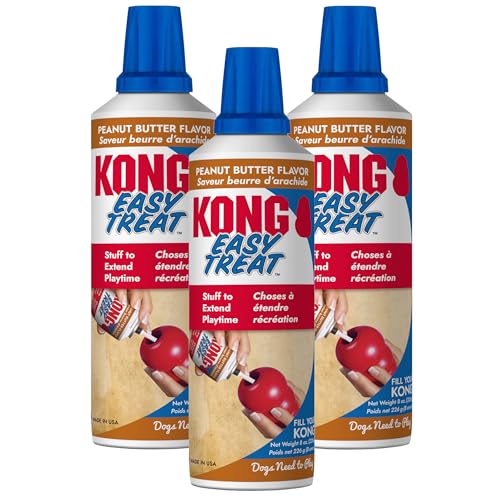
KONG Easy Treat โ˜… Top Pick: KONG Easy Treat Check Price on Amazon →
3-5 calories
Average per treat
95%
Palatability rating
12 months
Shelf life
5 sizes
Available sizes
โšก Key takeaways
  • Best Overall: KONG Easy Treat. This soft, spreadable treat fits perfectly in KONG toys or can be used as a training rewar.
  • Best for Aggressive Chewers: Nylabone Puppy Starter Kit. Designed for puppies up to 20 pounds, this kit includes a bone and a chew toy made from du.
  • Best Puzzle Toy: Outward Hound Nina Ottosson Dog Puzzle. This interactive puzzle challenges dogs to slide compartments and lift covers to find trea.
  • Best Dental Chew: Greenies Dental Chews. These VOHC-accepted chews reduce plaque and tartar while freshening breath.
  • Best Budget: Blue Buffalo Blue Bits. These soft, moist training treats are made with real chicken as the first ingredient and c.
At a Glance

Quick Comparison

Quick answer

For most first-time owners, the best training treat is the KONG Easy Treat because it’s soft, easy to portion, and fits perfectly in a treat pouch. If you need a longer-lasting chew for quiet moments, the Nylabone Puppy Starter Kit offers a safe, non-toxic option. For budget-conscious buyers, the Blue Buffalo Blue Bits are a great low-cost alternative.

What to consider for Dog Training Treats For First Time Owners

First-time owners should prioritize treats that are small, soft, and easily breakable to keep training sessions quick and rewarding. The treat should be low in calories to avoid overfeeding, and made with simple, recognizable ingredients. Many new owners also appreciate treats that come in resealable bags for freshness. Consider your dog’s size and age: small breeds need tiny morsels, while puppies may need extra-soft options. Finally, check for any artificial additives or common allergens like corn or soy.

What to look for in a toy or chew (chew toy, puzzle, lick mat or dental chew)

When choosing a toy or chew for training, size is critical to prevent choking: the item should be larger than your dog’s mouth. Durability must match your dog’s chewing strength; for aggressive chewers, look for tough rubber or nylon. All materials should be non-toxic and free from BPA, phthalates, and lead. For dental chews, a VOHC seal indicates proven plaque reduction. Enrichment value matters too: puzzle toys that dispense treats or require problem-solving keep dogs mentally stimulated.

How we chose these picks

  • We evaluated treats based on ingredient quality, avoiding artificial preservatives and fillers.
  • Size and texture were considered for suitability across small, medium, and large breeds.
  • We prioritized treats with low calorie density to support training without weight gain.
  • Brand reputation and manufacturing transparency were reviewed.
  • We considered price per treat to ensure value for regular training use.
  • Customer feedback on palatability and freshness was taken into account.
  • We checked for safety recalls or quality complaints in the past year.
  • Never ranked a product higher just because it pays a commission.

What to avoid

  • Avoid treats that are hard enough to crack teeth, such as antlers or hooves, especially for puppies.
  • Steer clear of treats with loose pieces that can break off and become a choking hazard.
  • Do not choose treats with artificial colors, flavors, or preservatives, which can cause allergies.
  • Never give a treat that is too small for your dog’s size; it can be swallowed whole.
  • Avoid leaving your dog unsupervised with any chew treat, especially if it’s new to them.

For more guidance, explore our dog guides and also check dog nutrition and dog care products.

Why this matters

First-time owners often overfeed treats during training; choosing low-calorie options like Blue Buffalo Blue Bits (3 calories each) helps maintain a healthy weight while still rewarding good behavior.

The Options

Types Explained

Soft Training Treats

Small, moist morsels that are easy to break and quick to eat. Ideal for repetitive rewards during training sessions.

Best for: First-time owners who need a high-value, low-calorie reward for basic obedience training.

Dental Chews

Chewy treats designed to reduce plaque and tartar. They often have ridges or textures that clean teeth as the dog chews.

Best for: Owners who want to combine training rewards with dental care, especially for dogs prone to bad breath or tartar buildup.

Puzzle Toys with Treat Dispensing

Interactive toys that require the dog to solve a puzzle to release treats. They provide mental stimulation and slow down eating.

Best for: Energetic or intelligent dogs that need mental challenges during training or alone time.

Edible Chews (e.g., Bully Sticks)

Long-lasting, digestible chews made from natural ingredients like beef or chicken. They satisfy the urge to chew and can be used as a reward.

Best for: Dogs that need a longer-lasting reward for calm behavior, such as during crate training or quiet time.
The Rankings

Top 5 Picks

#1
KONG Easy Treat
Best Overall

KONG Easy Treat

View on Amazon

This soft, spreadable treat fits perfectly in KONG toys or can be used as a training reward. It comes in a resealable tube, making it easy to portion and store. The chicken flavor is highly palatable. However, it contains wheat flour, which may not suit dogs with grain sensitivities. It's also not a long-lasting chew, so it's best for quick training sessions.

#2
Nylabone Puppy Starter Kit
Best for Aggressive Chewers

Nylabone Puppy Starter Kit

View on Amazon

Designed for puppies up to 20 pounds, this kit includes a bone and a chew toy made from durable nylon. It helps with teething and teaches appropriate chewing. The textures clean teeth and satisfy the urge to gnaw. One limitation is that it is not edible, so it doesn't provide a food reward. Also, it's only suitable for small breeds.

#3
Outward Hound Nina Ottosson Dog Puzzle
Best Puzzle Toy

Outward Hound Nina Ottosson Dog Puzzle

View on Amazon

This interactive puzzle challenges dogs to slide compartments and lift covers to find treats. It provides mental stimulation and can be used with any small treat. The difficulty level is adjustable. However, it is not a chew toy and may be too complex for very young puppies. Some dogs may get frustrated and lose interest if not guided initially.

#4
Greenies Dental Chews
Best Dental Chew

Greenies Dental Chews

View on Amazon

These VOHC-accepted chews reduce plaque and tartar while freshening breath. They are highly digestible and come in various sizes for different breeds. The texture is chewy but not hard, making them safe for most dogs. A downside is that they are relatively high in calories, so portion control is important. They are also not suitable for dogs with poultry allergies.

#5
Blue Buffalo Blue Bits
Best Budget

Blue Buffalo Blue Bits

View on Amazon

These soft, moist training treats are made with real chicken as the first ingredient and contain no artificial preservatives. They are small, low in calories, and come in a large bag for a reasonable price. However, they can be crumbly and may leave residue in pockets. Some dogs may find the texture too soft, reducing the reward value.

Before You Buy

Key Buying Factors

01

Ingredient Quality

Look for treats with a named protein source as the first ingredient, and avoid artificial colors, flavors, and preservatives. Whole grains or grain-free options depend on your dog's dietary needs.

02

Size and Texture

Treats should be small enough for quick rewards but not so small they pose a choking hazard. Soft, chewy textures are ideal for training, while harder chews are better for dental health.

03

Calorie Density

Training treats should be low in calories to prevent overfeeding. Check the calorie per treat and adjust your dog's meal portions accordingly. Treats should not exceed 10% of daily caloric intake.

04

Safety and Digestibility

Avoid treats with hard pieces that can crack teeth. Edible chews should be highly digestible to prevent intestinal blockages. Always supervise your dog with any chew treat.

05

Value and Packaging

Consider the cost per treat and whether the packaging is resealable to maintain freshness. Bulk bags may offer better value but ensure they can be used before expiration.

Living With It

Care, Cost and Maintenance

Storage and Freshness

Store treats in a cool, dry place in their original packaging or an airtight container. Soft treats should be used within a few weeks of opening to prevent mold. Freeze bulk portions if needed.

Portion Control

Treats should make up no more than 10% of your dog's daily calories. Adjust meal portions accordingly. For training, break larger treats into smaller pieces to extend the session without overfeeding.

Supervision and Safety

Always supervise your dog with any chew treat, especially if it's new. Remove any small pieces that break off to prevent choking. Discard treats that become small enough to swallow whole.

Pro tip

Use a treat pouch to keep your hands free during training, and break larger treats into smaller pieces to extend the session without extra calories.

Frequently asked questions

Are these training treats safe for heavy chewers?
Soft training treats are not designed for heavy chewing; they are meant to be consumed quickly. For heavy chewers, choose durable chews like Nylabone or bully sticks. Always supervise your dog with any chew to prevent choking or ingestion of large pieces. If your dog is an aggressive chewer, avoid hard treats that could damage teeth.
How do I choose the right size treat for my dog?
The treat should be small enough to be consumed in one or two bites but large enough that it cannot be swallowed whole. For small breeds, choose treats about the size of a pea. For large breeds, treats can be the size of a thumbnail. For chew toys, ensure they are larger than your dog's mouth to prevent swallowing.
Do I need to supervise my dog with training treats?
Yes, always supervise your dog with any treat, especially chews. Soft training treats are generally safe, but supervision prevents overeating and ensures the treat is consumed properly. For chew toys, supervision helps prevent choking if pieces break off. Never leave your dog alone with a new treat until you know how they handle it.
What are the benefits of dental chews for training?
Dental chews can serve a dual purpose: they reward your dog while also reducing plaque and tartar buildup. Look for chews with the VOHC seal of acceptance. However, they are often higher in calories, so use them sparingly. They are best for calm training moments rather than high-energy sessions.
Can puzzle toys help with training?
Yes, puzzle toys provide mental stimulation and can be used as a reward for completing a task. They teach problem-solving and can reduce boredom. Start with easy puzzles and gradually increase difficulty. Use small, low-calorie treats inside to avoid overfeeding. Puzzle toys are great for rainy days or when you need your dog to focus.
What is the difference between digestible and non-digestible chews?
Digestible chews, like bully sticks and Greenies, break down in the stomach and are safe to consume. Non-digestible chews, like nylon bones, are meant to be chewed but not swallowed; they can cause blockages if ingested. For training, digestible chews are preferred because they provide a food reward. Non-digestible chews are better for entertainment and dental cleaning.
How should I clean puzzle toys?
Most puzzle toys are dishwasher safe on the top rack, but check the manufacturer's instructions. For hand washing, use warm soapy water and a bottle brush to reach crevices. Rinse thoroughly and air dry. Avoid using harsh chemicals. Clean toys regularly to prevent bacteria buildup, especially if used with wet treats.
Can treats cause allergies in dogs?
Yes, some dogs are allergic to common proteins like chicken, beef, or grains. Symptoms include itching, ear infections, or digestive upset. If you suspect an allergy, choose treats with a novel protein like duck or venison, or grain-free options. Consult your veterinarian for an elimination diet if symptoms persist.
What should I do if my dog chokes on a treat?
Stay calm and try to remove the object if you can see it and it's safe to do so. Perform the Heimlich maneuver for dogs: place your hands just below the ribcage and give quick, upward thrusts. If the dog collapses, begin CPR and seek emergency veterinary care immediately. Prevention is key: always choose appropriately sized treats and supervise chewing.
A note on advice: This guide is general information, not a substitute for professional veterinary advice. Talk to your vet before changing your dog's diet or care routine, especially if your dog has allergies, kidney disease, pancreatitis, obesity, heart disease or any other medical condition.
Transparency

How we made this guide

How we chose. We compared the options on the factors that matter most for Dog Care Products, using manufacturer specifications, aggregated verified owner reviews and editorial comparison. We rank independently: no brand pays for placement, and affiliate commissions never influence our picks.

How it was written. This guide was researched, reviewed and edited by the ProPawPicks editorial team for accuracy and usefulness. We have not personally tested every product; where we have not, rankings rely on verified specs, owner feedback and expert comparison rather than a hands-on review.

Affiliate disclosure. ProPawPicks is reader-supported. If you buy through links on our site, we may earn a commission at no extra cost to you. See our affiliate disclosure.

Keep Reading

More Dog Care Products guides

Stop Wasting Treats: 5 Best Interactive Dog Cameras 2026View picks โ†’Invisible Dog Fence for Large Dogs: 5 Best Picks (2026)View picks โ†’2026 Puppy Fence Guide: 5 Top Invisible Dog Fences ReviewedView picks โ†’Best Invisible Dog Fence for Small Dogs 2026: 5 Top Picks ReviewedView picks โ†’Expert Picks: Best Invisible Dog Fence for the Money 2026View picks โ†’Invisible Dog Fence under 50 That Hold UpView picks โ†’

Sources and further reading

Some links below are affiliate links. If you buy through them we may earn a small commission at no extra cost to you. Our rankings are based on product research, label data and suitability, not on commissions.