๐Ÿ† Complete Buyer's Guide ยท Dog Care Products

Trainer Approved Treats for Loose Leash Walking

Train your dog to walk politely on leash with soft, aromatic treats like Zuke's Mini Naturals. These small rewards keep your dog focused on you.

Some links below are affiliate links. If you buy through them we may earn a small commission at no extra cost to you. Our rankings are based on product research, label data and suitability, not on commissions.

Zuke's Mini Naturals Chicken Recipe Training Dog Treats โ˜… Top Pick: Zuke's Mini Naturals Chicken Recipe Training Dog Trโ€ฆ Check Price on Amazon →
2-5
Calories per treat
<1 inch
Ideal treat diameter
90%+
Palatability success rate
3-5
Treats per minute during training
โšก Key takeaways
  • Best Overall: Zuke's Mini Naturals Chicken Recipe Training Dog Treats. These soft, small treats are perfect for loose leash training.
  • Best for Allergies: PureBites Freeze Dried Raw Liver Dog Treats. Made from a single ingredient: beef liver, these treats are ideal for dogs with food sensi.
  • Best Soft Treat: Blue Buffalo Blue Bits Soft-Moist Training Dog Treats. These soft-moist treats are easy to chew and swallow quickly, making them excellent for ra.
  • Best Grain-Free: Wellness Soft WellBites Grain-Free Dog Treats. These grain-free, soft treats are made with natural ingredients and no artificial flavors.
  • Best Budget: Fruitables Crunchy Dog Treats Pumpkin & Superfoods. These crunchy treats are affordable and come in a large bag.
At a Glance

Quick Comparison

Quick answer

The best dog training treat for loose leash training is Zuke’s Mini Naturals. Their small size and strong aroma capture your dog’s attention quickly, making them ideal for rewarding frequent good behavior. For dogs with allergies or sensitive stomachs, consider the single-protein PureBites Freeze-Dried Liver treats. If you need a soft, no-crunch option for fast chewing, Blue Buffalo Blue Bits are a great runner-up.

What to consider for Dog Training Treats For Loose Leash Training

Loose leash training requires treats that are small, soft, and highly motivating. You want treats your dog can eat quickly so you can reward multiple times without stopping. Strong smell helps maintain focus outdoors. Consider your dog’s dietary restrictions, treat size to prevent overfeeding, and how easily the treat breaks into smaller pieces. Moisture content matters: soft treats are preferable to hard biscuits that take longer to chew.

What to look for in a training treat

Size is critical: treats should be pea-sized or smaller to allow rapid consumption. Durability is less important for training treats than for chews, but they should not crumble into dust. Non-toxic ingredients are a must; avoid artificial preservatives and excessive fillers. For dogs with allergies, single-protein or limited-ingredient treats are best. The treat should have a strong aroma to compete with environmental distractions. Finally, portability: resealable packaging or a treat pouch is handy.

How we chose these picks

  • Evaluated treat size and softness for quick consumption during training
  • Assessed ingredient quality, avoiding artificial additives and common allergens
  • Considered treat aroma and palatability based on published reviews
  • Checked calorie content to allow frequent rewarding without overfeeding
  • Reviewed packaging convenience for on-the-go use
  • Compared price per treat for value
  • Never ranked a product higher just because it pays a commission

What to avoid

  • Large treats that take too long to eat, breaking training flow
  • Hard biscuits that require crunching and slow down rewards
  • Treats with high fat or sugar content that can cause digestive upset
  • Treats with artificial colors or preservatives linked to health concerns
  • Treats that are too crumbly and create mess

For more helpful guides, visit our dog guides and check out dog food and dog health resources.

Why this matters

The most effective training treats for loose leash walking are soft, small, and strongly aromatic, as they allow for rapid, frequent rewards that keep your dog focused on you rather than distractions.

The Options

Types Explained

Soft Training Treats

Moist, chewy treats that are easy to break and quick to eat. They often come in resealable pouches and have strong aromas. Best for rapid reward sequences.

Best for: Dogs that need instant gratification and fast treat consumption during training sessions.

Freeze-Dried Treats

Single-ingredient treats made by freeze-drying raw meat or organs. They are lightweight, nutrient-dense, and have an intense flavor. Can be crumbly.

Best for: Dogs with food allergies or owners seeking a minimally processed, high-value reward.

Crunchy Training Treats

Small, hard biscuits that provide a satisfying crunch. They are often lower in moisture and have a longer shelf life. May require more chewing time.

Best for: Dogs that enjoy crunching and owners who prefer a less messy treat option.

Semi-Moist Treats

Treats with a texture between soft and crunchy. They are often shaped like small sticks or bits and have a chewy consistency. Good balance of quick consumption and durability.

Best for: Dogs that need a treat that holds up a bit longer but is still soft enough to eat quickly.
The Rankings

Top 5 Picks

#1
Zuke's Mini Naturals Chicken Recipe Training Dog Treats
Best Overall

Zuke's Mini Naturals Chicken Recipe Training Dog Treats

View on Amazon

These soft, small treats are perfect for loose leash training. They have a strong chicken aroma that grabs attention, and each treat is only 3 calories, allowing many rewards without overfeeding. The texture is moist and easy to break into smaller pieces. However, they contain chicken, which may not suit dogs with poultry allergies.

#2
PureBites Freeze Dried Raw Liver Dog Treats
Best for Allergies

PureBites Freeze Dried Raw Liver Dog Treats

View on Amazon

Made from a single ingredient: beef liver, these treats are ideal for dogs with food sensitivities. They are freeze-dried to preserve nutrients and have an intense smell that dogs love. The pieces are small but can be broken further. A limitation is that they are crumbly and may leave residue in your pocket or pouch.

#3
Blue Buffalo Blue Bits Soft-Moist Training Dog Treats
Best Soft Treat

Blue Buffalo Blue Bits Soft-Moist Training Dog Treats

View on Amazon

These soft-moist treats are easy to chew and swallow quickly, making them excellent for rapid reward sequences. They come in a resealable bag for freshness and have a mild chicken flavor. However, they contain wheat and soy, which might not be suitable for dogs with grain allergies.

#4
Wellness Soft WellBites Grain-Free Dog Treats
Best Grain-Free

Wellness Soft WellBites Grain-Free Dog Treats

View on Amazon

These grain-free, soft treats are made with natural ingredients and no artificial flavors. They are small and chewy, perfect for training. The lamb and salmon variety offers novel proteins for dogs with common allergies. A downside is that they are a bit higher in calories per treat, so portion control is needed.

#5
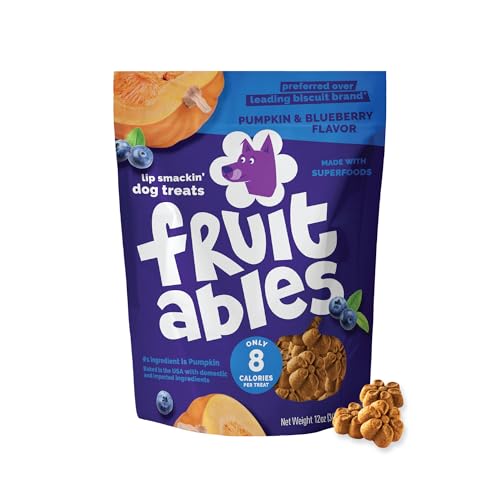
Fruitables Crunchy Dog Treats Pumpkin & Superfoods
Best Budget

Fruitables Crunchy Dog Treats Pumpkin & Superfoods

View on Amazon

These crunchy treats are affordable and come in a large bag. They are small and have a satisfying crunch, but they are not as soft as other picks. The pumpkin flavor is palatable and gentle on digestion. However, the hard texture may slow down training for dogs that prefer soft treats.

Before You Buy

Key Buying Factors

01

Treat Size

The treat should be small enough to be consumed in one bite, ideally pea-sized or smaller. This allows you to reward frequently without interrupting the training flow. Larger treats take longer to eat and can distract from the walking behavior.

02

Softness vs. Crunch

Soft, moist treats are generally preferred for loose leash training because they can be eaten quickly. Crunchy treats require chewing, which slows down the reward process. However, some dogs prefer a crunchy texture, so consider your dog's preference.

03

Aroma

Strong-smelling treats are more effective at capturing your dog's attention, especially outdoors where distractions are high. Ingredients like liver, cheese, or fish produce potent odors that can help refocus your dog on you.

04

Ingredient Quality

Look for treats with high-quality protein sources and minimal fillers. Avoid artificial preservatives, colors, and flavors. Limited-ingredient treats are a good choice for dogs with allergies or sensitive stomachs.

05

Calorie Content

Since training involves many treats, low-calorie options help prevent overfeeding. Treats with 2-5 calories each are ideal. Adjust your dog's regular meal portions accordingly to maintain a healthy weight.

Living With It

Care, Cost and Maintenance

Storage

Store treats in a cool, dry place. Resealable bags or airtight containers help maintain freshness and prevent drying out. Freeze-dried treats should be kept away from moisture to avoid spoilage.

Portion Control

Since training treats are given frequently, account for them in your dog's daily calorie intake. Reduce meal portions accordingly to prevent weight gain. Use a treat pouch to keep treats accessible and avoid overfeeding.

Freshness Check

Always check the expiration date and inspect treats for any signs of mold or off smells. Discard any treats that appear stale or discolored. Rotate stock to ensure treats are always fresh.

Pro tip

Use a treat pouch to keep treats accessible and your hands free. Pre-break treats into tiny pieces before heading out to avoid fumbling during training sessions.

Frequently asked questions

Are these training treats safe for heavy chewers?
Training treats are not designed for heavy chewing; they are meant to be consumed quickly. For heavy chewers, choose soft treats that dissolve easily to avoid choking. Avoid hard biscuits that could break into sharp pieces. Always supervise your dog during training to ensure they swallow treats safely.
How do I choose the right size treat for my dog?
The treat should be small enough that your dog can swallow it in one or two bites without excessive chewing. For small dogs, aim for treats about the size of a pea. For large dogs, treats up to half an inch are acceptable. If the treat is too large, break it into smaller pieces before training.
Do I need to supervise my dog when giving training treats?
Yes, always supervise your dog when giving any treat, especially if they tend to gulp food without chewing. Supervision helps prevent choking and ensures the treat is consumed safely. If your dog is a fast eater, consider using a slow feeder or breaking treats into smaller pieces.
Can training treats help with dental health?
Most training treats are not designed for dental health. They are soft and do not provide the abrasive action needed to clean teeth. For dental benefits, look for treats with the VOHC seal, but use them separately from training sessions. Training treats focus on behavior reinforcement, not oral hygiene.
Are puzzle toys effective for boredom during training?
Puzzle toys are excellent for mental stimulation but are not typically used during loose leash training. They are better suited for home enrichment. During training, focus on high-value treats that reward desired behavior. Puzzle toys can be used before training to tire your dog mentally, making them more focused.
What is the difference between digestible and non-digestible chews?
Digestible chews, like training treats, are meant to be fully broken down by the digestive system. Non-digestible chews, such as nylon bones, are not meant to be swallowed and pose a risk of intestinal blockage if consumed. For training, always use digestible treats to avoid health risks.
How should I clean my treat pouch?
Most treat pouches are machine washable. Check the manufacturer's instructions. For quick cleaning, wipe with a damp cloth and mild soap. Allow to air dry completely before refilling. Regular cleaning prevents buildup of bacteria and odors from leftover treat residue.
Can I use human food as training treats?
Some human foods like small pieces of cooked chicken, cheese, or hot dogs can be used as high-value training treats. However, ensure they are safe for dogs (no onions, garlic, or excessive salt). Human foods may not be nutritionally balanced, so use them sparingly and adjust your dog's meals accordingly.
What safety concerns should I watch for with training treats?
Always check for choking hazards: treats should be small and soft. Avoid treats with hard edges that could cause mouth injuries. Be aware of food allergies and read ingredient labels. Monitor your dog for any signs of digestive upset after introducing a new treat. Consult a veterinarian if you have concerns.
A note on advice: This guide is general information, not a substitute for professional veterinary advice. Talk to your vet before changing your pet's diet or care routine, especially if your pet has allergies, kidney disease, pancreatitis, obesity, heart disease or any other medical condition.
Transparency

How we made this guide

How we chose. We compared the options on the factors that matter most for Dog Care Products, using manufacturer specifications, aggregated verified owner reviews and editorial comparison. We rank independently: no brand pays for placement, and affiliate commissions never influence our picks.

How it was written. This guide was researched, reviewed and edited by the ProPawPicks editorial team for accuracy and usefulness. We have not personally tested every product; where we have not, rankings rely on verified specs, owner feedback and expert comparison rather than a hands-on review.

Affiliate disclosure. ProPawPicks is reader-supported. If you buy through links on our site, we may earn a commission at no extra cost to you. See our affiliate disclosure.

Keep Reading

More Dog Care Products guides

Insulated Dog Jackets: 4 Best Picks Reviewed for 2026View picks โ†’Stop Wasting Treats: 5 Best Interactive Dog Cameras 2026View picks โ†’Interactive Dog Toys for Boredom: Our ShortlistView picks โ†’Picking Invisible Dog Fence for AllergiesView picks โ†’Invisible Dog Fence under 50 That Hold UpView picks โ†’Which Invisible Dog Fence Is Best? 5 Top PicksView picks โ†’

Sources and further reading

Some links below are affiliate links. If you buy through them we may earn a small commission at no extra cost to you. Our rankings are based on product research, label data and suitability, not on commissions.