๐Ÿ† Complete Buyer's Guide ยท Dog Food

What’s the Best Dry Dog Food for Multi-Pet Homes?

Simplify feeding multiple dogs with all-life-stages formulas like Purina Pro Plan Complete Essentials. Learn key tips to prevent resource guarding and tailor portions.

Some links below are affiliate links. If you buy through them we may earn a small commission at no extra cost to you. Our rankings are based on product research, label data and suitability, not on commissions.

Purina Pro Plan Complete Essentials Shredded Blend Chicken & Rice Formula โ˜… Top Pick: Purina Pro Plan Complete Essentials Shredded Blend โ€ฆ Check Price on Amazon →
380 to 420
Calories per cup (typical range)
22% to 32%
Protein content range for adult maintenance
10% to 20%
Fat content range for adult maintenance
$1.20 to $2.50
Price per pound (USD)
โšก Key takeaways
  • Best Overall: Purina Pro Plan Complete Essentials Shredded Blend Chicken & Rice Formula. This all-life-stages formula features real chicken as the first ingredient and a blend of.
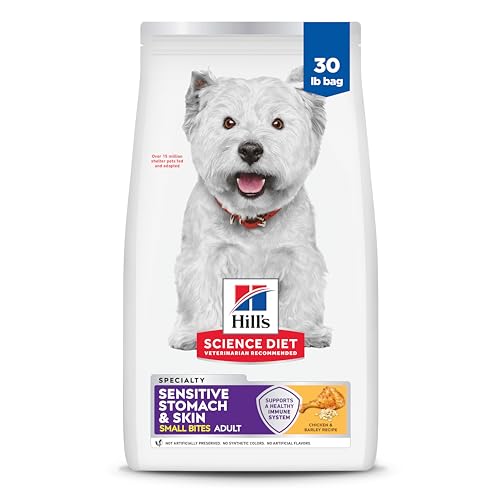
  • Best for Sensitive Stomach: Hill's Science Diet Dry Dog Food, Sensitive Stomach & Skin, Chicken & Barley Recipe. Formulated with prebiotic fiber to support a balanced gut microbiome, this food is a relia.
  • Best Budget: Diamond Naturals All Life Stages Chicken & Rice Formula Dry Dog Food. This budget-friendly option still delivers quality: real chicken first, plus superfoods li.
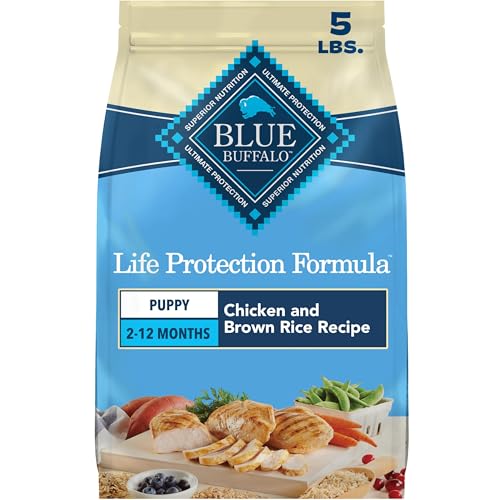
  • Best for Puppies: Blue Buffalo Life Protection Formula Natural Puppy Dry Dog Food, Chicken & Brown Rice. Tailored for growing puppies, this formula contains DHA for brain development and calcium.
  • Best Grain-Inclusive: Wellness CORE Grain-Free Original Dry Dog Food. Despite the name, this recipe is actually grain-inclusive (contains oatmeal and barley) an.
At a Glance

Quick Comparison

Quick answer

For most multi-pet homes, our top pick is Purina Pro Plan Complete Essentials. It offers balanced nutrition for all life stages, a high-quality chicken first ingredient, and a sensible price per pound. If you have a sensitive stomach pup, Hill’s Science Diet Sensitive Stomach is a close runner-up. For budget-conscious families, Diamond Naturals All Life Stages provides excellent value without sacrificing quality.

What to consider for Dry Dog Food For Multi Pet Homes

Feeding multiple dogs means juggling different ages, sizes, and health needs. A single bag of food should ideally meet AAFCO requirements for all life stages or at least cover the most common needs in your pack. Consider kibble size: large breed dogs need larger pieces to slow eating, while small breeds may struggle with oversized kibble. Calorie density matters too; a high-calorie food may cause weight gain in less active dogs, while a low-calorie option may leave a growing puppy hungry. Storage and feeding logistics are also key: a large bag should stay fresh, and you may need separate feeding stations to prevent resource guarding. Finally, ingredient consistency is vital for dogs with allergies or sensitivities; a limited-ingredient diet can simplify mealtime for the whole crew.

What to look for in a dog food

First, ensure the food has an AAFCO statement indicating it is complete and balanced for the appropriate life stage(s). Look for a named meat (e.g., chicken, lamb, or salmon) as the first ingredient. Protein content typically ranges from 22% to 32% for adult dogs, while fat ranges from 10% to 20%. For multi-pet homes, a food labeled for all life stages can simplify feeding, but be cautious with large-breed puppies: they need controlled calcium and phosphorus levels. Omega-3 and omega-6 fatty acids support skin and coat health, and joint supplements like glucosamine and chondroitin benefit active or older dogs. Avoid foods with excessive fillers like corn, wheat, or soy, though moderate amounts are acceptable in a balanced diet.

How we chose these picks

  • Evaluated ingredient quality and AAFCO nutritional adequacy statements.
  • Prioritized foods with named meat as the first ingredient and no unnamed meat meals.
  • Considered calorie density and kibble size to suit multiple dogs of different sizes.
  • Reviewed customer feedback for palatability across various breeds and ages.
  • Checked for inclusion of joint-supporting supplements and omega fatty acids.
  • Assessed value per pound to keep feeding costs manageable for multi-dog households.
  • Selected only well-established brands with a history of rigorous quality control.
  • Never ranked a product higher just because it pays a commission.

What to avoid

  • Avoid foods with an unnamed โ€œmeat mealโ€ as the sole protein source; it can be a mix of unspecified animal parts.
  • Be cautious with grain-free or legume-heavy recipes. The FDA is investigating a potential link between these diets and canine dilated cardiomyopathy (DCM). Unless your vet advises otherwise, a grain-inclusive formula is the safer default.
  • Avoid feeding an all-life-stages food to a large-breed puppy, as it may have improper calcium/phosphorus ratios.
  • Never switch your dogโ€™s food abruptly; transition over 7 to 10 days to prevent digestive upset.

For more guidance, explore our dog guides, dog food resources, and dog nutrition articles.
Why this matters

An all-life-stages formula can simplify feeding in multi-pet homes, but it may not be ideal for large-breed puppies due to calcium levels. Separate feeding stations help prevent resource guarding and allow for individualized portions.

The Options

Types Explained

All Life Stages Dry Food

Formulated to meet the nutritional levels for all life stages, including growth and maintenance. These foods are convenient for multi-pet homes with dogs of different ages, but may not be ideal for large-breed puppies due to calcium levels.

Best for: Households with adult dogs and puppies of small or medium breeds.

Large Breed Specific Dry Food

Designed with controlled calcium and phosphorus to support proper bone development in large-breed puppies and joint health in adults. Kibble size is typically larger to encourage chewing.

Best for: Homes with large or giant breed dogs, especially puppies.

Small Breed Specific Dry Food

Smaller kibble size and higher calorie density to meet the fast metabolism of small dogs. Often includes ingredients for dental health and coat shine.

Best for: Multi-pet homes with small breed dogs (under 20 pounds).

Limited Ingredient Dry Food

Contains a single protein source and limited carbohydrates to minimize allergy triggers. Ideal for dogs with food sensitivities, but may be more expensive and less varied in nutrients.

Best for: Homes where one or more dogs have known food allergies or intolerances.
The Rankings

Top 5 Picks

#1
Purina Pro Plan Complete Essentials Shredded Blend Chicken & Rice Formula
Best Overall

Purina Pro Plan Complete Essentials Shredded Blend Chicken & Rice Formula

View on Amazon

This all-life-stages formula features real chicken as the first ingredient and a blend of crunchy kibble and tender shreds that most dogs love. It includes probiotics for digestive health and omega fatty acids for skin and coat. The moderate calorie density (about 380 kcal/cup) works for most activity levels. One limitation: the shreds can be a bit messy in the bag, and some picky eaters may leave them behind.

#2
Hill's Science Diet Dry Dog Food, Sensitive Stomach & Skin, Chicken & Barley Recipe
Best for Sensitive Stomach

Hill's Science Diet Dry Dog Food, Sensitive Stomach & Skin, Chicken & Barley Recipe

View on Amazon

Formulated with prebiotic fiber to support a balanced gut microbiome, this food is a reliable choice for dogs with digestive sensitivities. It uses chicken as the first ingredient and includes vitamin E and omega-6s for healthy skin. The kibble size is medium, suitable for most breeds. A trade-off: it is pricier per pound than many other options, and the protein content (20%) is lower than some active dogs may need.

#3
Diamond Naturals All Life Stages Chicken & Rice Formula Dry Dog Food
Best Budget

Diamond Naturals All Life Stages Chicken & Rice Formula Dry Dog Food

View on Amazon

This budget-friendly option still delivers quality: real chicken first, plus superfoods like kale and blueberries. It includes probiotics and omega fatty acids. The kibble is medium-sized and works for most dogs. At roughly $1.20 per pound, it is one of the most affordable all-life-stages foods. The downside: some dogs may find the protein level (25%) a bit low for high activity, and the bag may not have a resealable closure.

#4
Blue Buffalo Life Protection Formula Natural Puppy Dry Dog Food, Chicken & Brown Rice
Best for Puppies

Blue Buffalo Life Protection Formula Natural Puppy Dry Dog Food, Chicken & Brown Rice

View on Amazon

Tailored for growing puppies, this formula contains DHA for brain development and calcium for strong bones. Real chicken is first, and the kibble size is small enough for little mouths. It is grain-inclusive with brown rice and oatmeal. The limitation: it is not suitable for adult dogs due to higher calorie density (about 400 kcal/cup) and specific nutrient ratios, so you would need a separate adult food for other dogs in the home.

#5
Wellness CORE Grain-Free Original Dry Dog Food
Best Grain-Inclusive

Wellness CORE Grain-Free Original Dry Dog Food

View on Amazon

Despite the name, this recipe is actually grain-inclusive (contains oatmeal and barley) and features deboned chicken as the first ingredient. It is high in protein (34%) and includes glucosamine and chondroitin for joint health. The kibble is medium-sized and crunchy. One trade-off: it is one of the more expensive options, and the high protein may not be ideal for less active or senior dogs without adjusting portions.

Before You Buy

Key Buying Factors

01

Life Stage Appropriateness

For multi-pet homes, an all-life-stages formula simplifies feeding, but ensure it meets the specific needs of puppies, adults, and seniors. Large-breed puppies require controlled calcium and phosphorus, so check the label.

02

Kibble Size and Texture

Kibble size affects how easily dogs of different sizes can eat. Small breeds need small kibble to prevent choking, while large breeds benefit from larger pieces that encourage chewing. Some foods offer multiple kibble sizes in one bag.

03

Calorie Density

A food with moderate calorie density (around 350 to 400 kcal/cup) allows you to feed appropriate portions to dogs with different activity levels. High-calorie foods may cause weight gain in less active dogs, while low-calorie options may not satisfy growing puppies.

04

Ingredient Quality and Allergen Management

Choose a food with a named meat first and avoid artificial additives. If any dog has food sensitivities, consider a limited-ingredient diet or a novel protein source. Consistent ingredients help prevent digestive upset across the household.

05

Price and Bag Size

Multi-dog homes go through food quickly, so cost per pound matters. Larger bags (30 to 40 pounds) often offer better value, but ensure you have proper storage to maintain freshness. Look for resealable bags or use an airtight container.

Living With It

Care, Cost and Maintenance

Feeding Schedule and Portion Control

Feed adult dogs twice daily to maintain stable energy and digestion. Use a measuring cup to ensure accurate portions based on each dog's weight and activity level. For multi-pet homes, consider separate feeding stations to prevent resource guarding and allow individualized portions.

Transitioning to a New Food

When switching foods, gradually mix the new food with the old over 7 to 10 days. Start with 25% new food and 75% old, then increase by 25% every few days. This reduces the risk of digestive upset, especially in sensitive dogs.

Storage and Freshness

Store dry dog food in a cool, dry place, ideally in an airtight container to protect against moisture, pests, and oxidation. Use the food within 6 weeks of opening to maintain freshness and nutrient quality. Avoid storing in garages or sheds where temperatures fluctuate.

Pro tip

Use an airtight container to store dry food and keep the original bag inside to retain the lot number and expiration date in case of a recall.

Frequently asked questions

How much dry dog food should I feed my dog each day?
Feeding amounts vary by dog size, age, and activity level. As a general guideline, adult dogs need about 1 to 2 cups of dry food per 20 to 30 pounds of body weight daily. Always check the feeding chart on the bag and adjust based on your dog's condition. For multi-pet homes, weigh each dog regularly and consult your veterinarian to determine the ideal portion. Overfeeding can lead to obesity, while underfeeding may cause malnutrition.
How many calories are in a cup of dry dog food?
Most dry dog foods contain between 300 and 450 calories per cup. The exact number depends on the formula and brand. For example, weight management foods may have around 300 kcal/cup, while high-energy formulas can exceed 450 kcal/cup. To calculate your dog's daily calorie needs, multiply their ideal weight in pounds by 15 to 20 for weight loss, 20 to 30 for maintenance, or 30 to 40 for active dogs. Always adjust based on your dog's body condition.
Is grain-free dry dog food safe for my dog?
Grain-free diets have been linked to a potential risk of dilated cardiomyopathy (DCM) in some dogs, according to an ongoing FDA investigation. While not all grain-free foods cause issues, many contain high levels of legumes or potatoes, which may interfere with taurine absorption. Unless your dog has a confirmed grain allergy, a grain-inclusive diet is generally considered safer. Consult your veterinarian before choosing grain-free, especially for breeds predisposed to DCM.
Can I feed puppy food to my adult dog?
Puppy food is higher in calories, protein, and calcium to support growth, which can lead to obesity and joint problems in adult dogs. It is not recommended for long-term feeding. If you have a multi-pet home with both puppies and adults, consider an all-life-stages food that meets the needs of both, but be cautious with large-breed puppies as they require specific calcium levels. Always separate feeding times to ensure each dog gets the appropriate diet.
What is the best dry dog food for overweight dogs in a multi-pet home?
Look for a weight management formula with lower calorie density (around 300 to 350 kcal/cup) and higher fiber content to promote satiety. Examples include Hill's Science Diet Perfect Weight or Purina Pro Plan Weight Management. Feed the overweight dog separately to control portions, and ensure other dogs do not eat the reduced-calorie food, as they may not get enough energy. Regular exercise and veterinary guidance are essential.
What should I feed a senior dog in a multi-pet household?
Senior dogs benefit from diets with moderate protein (20% to 25%), lower fat to prevent weight gain, and added joint supplements like glucosamine and chondroitin. Look for formulas labeled for senior or mature adults. If other dogs are younger, you may need to feed the senior separately or choose an all-life-stages food that still meets senior needs. Always consult your vet for specific health concerns like kidney or dental issues.
How do I choose dry dog food for both small and large breeds?
Select a food with kibble size that works for both, or consider a brand that offers different kibble sizes in the same formula. Some all-life-stages foods have medium-sized kibble that suits most dogs. Alternatively, you can feed separate foods tailored to each size but that can be costly. Another option is to moisten the kibble for small dogs to make it easier to chew. Ensure the nutritional profile meets the needs of both, especially calcium for large breeds.
Is dry dog food better than wet food for multi-pet homes?
Dry food is more convenient for multi-pet homes due to lower cost, longer shelf life, and easier portion control. It also promotes dental health through crunching. However, wet food has higher moisture content, which can benefit dogs prone to urinary issues or dehydration. Many owners combine both: dry as a base and wet as a topper. For picky eaters, wet food may be more palatable. Ultimately, both can be nutritionally complete if they meet AAFCO standards.
How can I prevent food aggression when feeding multiple dogs?
Feed dogs in separate areas or use individual feeding stations spaced apart. Establish a routine and supervise mealtimes until all dogs finish. If aggression persists, consider using a slow feeder bowl or hand-feeding. Never punish a dog for growling; instead, consult a professional trainer. Some multi-pet homes find success with feeding in crates to create a safe space. Always ensure each dog has access to fresh water.
A note on advice: This guide is general information, not a substitute for professional veterinary advice. Talk to your vet before changing your dog's diet or care routine, especially if your dog has allergies, kidney disease, pancreatitis, obesity, heart disease or any other medical condition.
Transparency

How we made this guide

How we chose. We compared the options on the factors that matter most for Dog Food, using manufacturer specifications, aggregated verified owner reviews and editorial comparison. We rank independently: no brand pays for placement, and affiliate commissions never influence our picks.

How it was written. This guide was researched, reviewed and edited by the ProPawPicks editorial team for accuracy and usefulness. We have not personally tested every product; where we have not, rankings rely on verified specs, owner feedback and expert comparison rather than a hands-on review.

Affiliate disclosure. ProPawPicks is reader-supported. If you buy through links on our site, we may earn a commission at no extra cost to you. See our affiliate disclosure.

Keep Reading

More Dog Food guides

Insulated Dog Jackets: 4 Best Picks Reviewed for 2026View picks โ†’Stop Wasting Treats: 5 Best Interactive Dog Cameras 2026View picks โ†’Interactive Dog Toys, ComparedView picks โ†’Best Invisible Dog Fence for Small Dogs 2026: 5 Top Picks ReviewedView picks โ†’Invisible Dog Fence under 50 That Hold UpView picks โ†’Buying Guide: Best IP Cameras for Baby Pets (2026)View picks โ†’

Sources and further reading

Some links below are affiliate links. If you buy through them we may earn a small commission at no extra cost to you. Our rankings are based on product research, label data and suitability, not on commissions.