๐Ÿ† Complete Buyer's Guide ยท Dog Care Products

Can an escape proof dog harness really work? 5 picks for 2026

Stop the Houdini act. Discover why proper fit beats martingale loops in escape proof harnesses, plus our top pick Rabbitgoo for first time owners.

Some links below are affiliate links. If you buy through them we may earn a small commission at no extra cost to you. Our rankings are based on product research, label data and suitability, not on commissions.

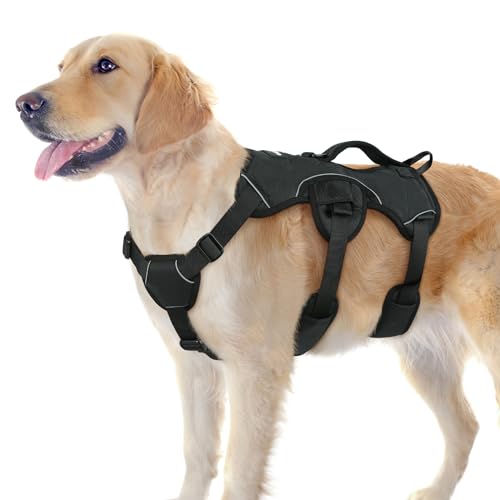
Rabbitgoo Escape Proof Dog Harness โ˜… Top Pick: Rabbitgoo Escape Proof Dog Harness Check Price on Amazon →
2+
Belly Straps for Security
Front & Back
Leash Attachment Options
Reflective
Visibility Features
Step-In or Overhead
Easy On/Off Designs
โšก Key takeaways
  • Best Overall: Rabbitgoo Escape Proof Dog Harness. The Rabbitgoo Escape Proof Harness offers a secure fit with two belly straps and a marting.
  • Best No-Pull: PetSafe Easy Walk Dog Harness. The PetSafe Easy Walk uses a front chest strap that gently steers your dog sideways when t.
  • Best for Large Dogs: Ruffwear Front Range Dog Harness. Ruffwear's Front Range Harness is built for durability with padded chest and belly panels,.
  • Best Budget: Chai's Choice 3M Reflective Dog Harness. Chai's Choice offers an affordable escape-proof harness with a step-in design, padded ches.
  • Best for Training: 2 Hounds Design Freedom No Pull Dog Harness. The 2 Hounds Design Freedom Harness features both front and back clips, plus a martingale.
At a Glance

Quick Comparison

Quick answer

For most first-time owners, the Rabbitgoo Escape Proof Dog Harness is our top pick. It combines a secure double-clip design, padded comfort, and reflective trim at an affordable price. If your dog is a strong puller, consider the PetSafe Easy Walk for its front-clip steering. For large breeds, the Ruffwear Front Range offers durability and a built-in handle.

What to consider for Escape Proof Dog Harness For First Time Owners

First-time owners often underestimate how clever dogs can be at slipping out of gear. An escape-proof harness must have a secure fit that prevents backing out, typically via a martingale loop or a second belly strap. Look for adjustable straps at both neck and chest to fine-tune the fit. Ease of putting on and taking off is also critical for beginners; step-in or overhead designs vary in convenience. Finally, consider the harness’s intended use: daily walks, training, or hiking, as this affects material and features.

What to look for in a gear item (harness, collar, leash or muzzle)

Correct fit and sizing: Measure your dog’s neck and girth, and follow the manufacturer’s size chart. Durable hardware and materials: Look for reinforced stitching, rust-resistant buckles, and strong D-rings. Safety features: Escape-resistant designs (e.g., no-slip martingale loop, double-belly straps), no-choke construction, and reflective elements for visibility. Comfort and padding: A well-padded chest plate and soft edges prevent chafing. No-pull design: Front-clip options discourage pulling without causing discomfort.

How we chose these picks

  • Evaluated product specifications and customer feedback for escape resistance.
  • Prioritized harnesses with adjustable fit points for different body shapes.
  • Considered ease of use for first-time owners (quick on/off, clear instructions).
  • Checked for safety certifications or compliance with standards.
  • Reviewed durability claims and warranty information.
  • Compared price points to offer options for various budgets.
  • Included a mix of front-clip and back-clip designs to suit training needs.
  • Never ranked a product higher just because it pays a commission.

What to avoid

  • Ill-fitting sizes: A loose harness invites escape; always measure and adjust.
  • Flimsy clips that fail on strong dogs: Avoid plastic buckles on powerful pullers.
  • Aversive tools used without professional guidance: Prong or shock collars can cause harm.
  • Retractable leashes near traffic: They reduce control and can injure hands.

For more dog care tips, check our dog guides, dog care products, and dog health sections.

Why this matters

Many escape-proof harnesses rely on a martingale loop that tightens when the dog pulls backward, but proper fit is even more critical than the mechanism itself.

The Options

Types Explained

Step-In Harness

The dog steps into two leg holes, and the harness clips on the back. This design is easy to put on and reduces stress for dogs that dislike things going over their head.

Best for: First-time owners and dogs that are head-shy or anxious about overhead movements.

Overhead Harness

The harness slips over the dog's head and then fastens around the chest or belly. It often provides a more secure fit but can be intimidating for some dogs.

Best for: Dogs that are comfortable with head handling and owners who prefer a traditional design.

Front-Clip Harness

The leash attaches to a ring on the dog's chest. When the dog pulls, the harness gently turns them sideways, discouraging pulling without choking.

Best for: Training loose-leash walking and managing strong pullers.

Dual-Clip Harness

Offers both front and back attachment points, giving the owner flexibility to switch between no-pull steering and casual walking. Often includes a handle for control.

Best for: Versatile use: training sessions and everyday walks with different needs.
The Rankings

Top 5 Picks

#1
Rabbitgoo Escape Proof Dog Harness
Best Overall

Rabbitgoo Escape Proof Dog Harness

View on Amazon

The Rabbitgoo Escape Proof Harness offers a secure fit with two belly straps and a martingale loop that tightens when pulled, preventing backing out. It's padded for comfort, has reflective stitching for visibility, and is easy to put on. The main trade-off is that the padding can be warm in hot weather.

#2
PetSafe Easy Walk Dog Harness
Best No-Pull

PetSafe Easy Walk Dog Harness

View on Amazon

The PetSafe Easy Walk uses a front chest strap that gently steers your dog sideways when they pull, discouraging the behavior without choking. It's escape-proof when fitted correctly, with a martingale loop over the shoulders. However, the strap placement can rub some dogs' armpits if not adjusted properly.

#3
Ruffwear Front Range Dog Harness
Best for Large Dogs

Ruffwear Front Range Dog Harness

View on Amazon

Ruffwear's Front Range Harness is built for durability with padded chest and belly panels, two leash attachment points, and a sturdy handle. It's escape-proof due to its secure buckle and adjustable straps. The downside is the higher price point, and some dogs find the padding bulky.

#4
Chai's Choice 3M Reflective Dog Harness
Best Budget

Chai's Choice 3M Reflective Dog Harness

View on Amazon

Chai's Choice offers an affordable escape-proof harness with a step-in design, padded chest, and reflective 3M material. It has a martingale loop to prevent slipping out. The trade-off is that the buckles are plastic, which may not hold up to extreme chewers or very strong pullers.

#5
2 Hounds Design Freedom No Pull Dog Harness
Best for Training

2 Hounds Design Freedom No Pull Dog Harness

View on Amazon

The 2 Hounds Design Freedom Harness features both front and back clips, plus a martingale loop for escape resistance. It's made with soft velvet lining and is highly adjustable. The limitation is that the front clip can twist the harness if not properly fitted, requiring careful adjustment.

Before You Buy

Key Buying Factors

01

Escape-Proof Mechanism

Look for a martingale loop that tightens when the dog pulls backward, or a second belly strap that prevents the harness from sliding over the head. Some designs use a Y-front shape that distributes pressure evenly and reduces escape routes.

02

Adjustability and Fit

A good harness should have at least two adjustment points (neck and girth) to accommodate different body shapes. Measure your dog's neck and chest circumference and compare with the size chart. A snug fit is crucial: you should be able to fit two fingers under any strap.

03

Comfort and Padding

Padding on the chest and belly reduces chafing and distributes pressure, especially for dogs that pull. Look for breathable materials like mesh or neoprene. Avoid harnesses with rough edges or seams that can irritate skin.

04

Durability and Hardware

Check for strong, rust-resistant D-rings and buckles. Metal hardware is more durable than plastic for strong dogs. Reinforced stitching at stress points extends the harness's life. Read reviews for reports of breakage.

05

Ease of Use for Beginners

Step-in harnesses are often easier for first-time owners because the dog steps into the leg holes and you clip the top. Overhead designs require lifting the harness over the head, which some dogs dislike. Look for quick-release buckles and clear instructions.

Living With It

Care, Cost and Maintenance

Washing Instructions

Most harnesses can be hand-washed with mild soap and cold water. Avoid machine washing unless the label says so, as it can damage padding and hardware. Air dry away from direct heat.

Inspection and Replacement

Check regularly for frayed straps, cracked buckles, or loose stitching. Replace the harness immediately if any component fails. A compromised harness can lead to escape or injury.

Storage

Store the harness in a dry place out of direct sunlight. Moisture can cause mold or rust, and UV rays can degrade fabric and weaken reflective materials.

Pro tip

When fitting a harness, adjust it so that you can slide two fingers under any strap. This ensures it is snug enough to prevent escape but not so tight that it restricts movement or breathing.

Frequently asked questions

How do I measure my dog for an escape-proof harness?
Use a flexible measuring tape. Measure the neck circumference at the base where a collar would sit, and the girth around the widest part of the chest behind the front legs. Add two fingers' width for comfort. Compare to the manufacturer's size chart; if between sizes, size up for a better fit.
Are no-pull harnesses effective for escape-proofing?
No-pull harnesses can be escape-proof if they have a martingale loop or a second belly strap. The front-clip design alone does not prevent backing out. Look for models specifically marketed as escape-proof, which often combine no-pull steering with anti-slip features.
What makes a harness truly escape-proof?
An escape-proof harness typically has a martingale loop that tightens when the dog pulls backward, preventing them from slipping out. Some have a second belly strap that secures the harness low on the chest. A snug fit at both neck and girth is essential.
Is a harness safer than a collar for escape-prone dogs?
Yes, a well-fitted harness is generally safer because it distributes pressure across the chest and back, reducing neck injury risk. Collars can easily slip off over a dog's head, especially for breeds with necks wider than heads. Harnesses also provide better control.
What materials are best for durability?
Nylon webbing is strong and quick-drying. Polyester is also durable. Look for reinforced stitching and metal hardware (buckles, D-rings) rather than plastic. Neoprene padding offers comfort but may retain water. Avoid materials that fray easily.
How often should I wash my dog's harness?
Wash every 2 to 4 weeks or when visibly dirty. Frequent washing can wear down materials, so spot clean when possible. Use mild detergent and air dry. Check the care label; some harnesses are machine-washable on a gentle cycle.
Will an escape-proof harness fit small dogs well?
Many brands offer sizes for small dogs, but check the minimum girth measurement. Small dogs have delicate necks, so look for lightweight materials and narrow straps. Ensure the martingale loop does not tighten too much; adjust properly.
Can a large dog escape from a harness?
Large, strong dogs can escape if the harness is not properly fitted or if the hardware is weak. Choose a harness with heavy-duty metal buckles and thick straps. A second belly strap adds security. Always test the fit before full use.
What safety concerns should I be aware of?
Never leave a harness on an unsupervised dog, as it can snag on objects. Check for signs of chafing or rubbing. Avoid using a retractable leash with a harness near roads. If your dog is a chewer, remove the harness when not in use.
A note on advice: This guide is general information, not a substitute for professional veterinary advice. Talk to your vet before changing your dog's diet or care routine, especially if your dog has allergies, kidney disease, pancreatitis, obesity, heart disease or any other medical condition.
Transparency

How we made this guide

How we chose. We compared the options on the factors that matter most for Dog Care Products, using manufacturer specifications, aggregated verified owner reviews and editorial comparison. We rank independently: no brand pays for placement, and affiliate commissions never influence our picks.

How it was written. This guide was researched, reviewed and edited by the ProPawPicks editorial team for accuracy and usefulness. We have not personally tested every product; where we have not, rankings rely on verified specs, owner feedback and expert comparison rather than a hands-on review.

Affiliate disclosure. ProPawPicks is reader-supported. If you buy through links on our site, we may earn a commission at no extra cost to you. See our affiliate disclosure.

Keep Reading

More Dog Care Products guides

Insulated Dog Jackets: 4 Best Picks Reviewed for 2026View picks โ†’Stop Wasting Treats: 5 Best Interactive Dog Cameras 2026View picks โ†’Interactive Dog Toys for Boredom: Our ShortlistView picks โ†’Picking Invisible Dog Fence for AllergiesView picks โ†’Invisible Dog Fence for Large Dogs: 5 Best Picks (2026)View picks โ†’2026 Puppy Fence Guide: 5 Top Invisible Dog Fences ReviewedView picks โ†’

Sources and further reading

Some links below are affiliate links. If you buy through them we may earn a small commission at no extra cost to you. Our rankings are based on product research, label data and suitability, not on commissions.