๐Ÿ† Complete Buyer's Guide ยท Dog Care Products

Stop Escapes: Best Escape Proof Dog Harnesses for Strong Pullers

Prevent your strong puller from slipping out with a martingale neck loop harness like the Ruffwear Front Range. See our top 5 secure picks for 2026.

Some links below are affiliate links. If you buy through them we may earn a small commission at no extra cost to you. Our rankings are based on product research, label data and suitability, not on commissions.

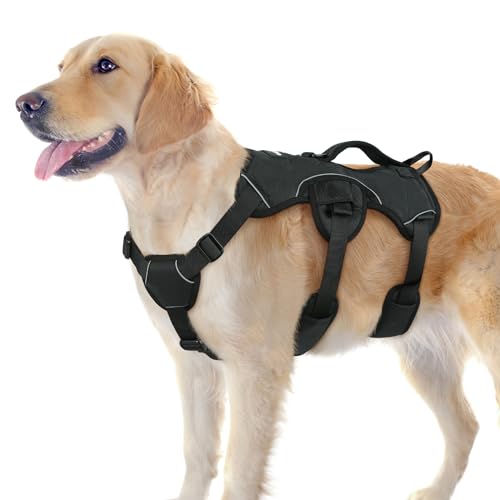
Ruffwear Front Range Harness โ˜… Top Pick: Ruffwear Front Range Harness Check Price on Amazon →
5
Picks Reviewed
2
Attachment Points (Front & Back)
3+
Adjustment Points for Secure Fit
30+
Sizes Available Across Picks
โšก Key takeaways
  • Best Overall: Ruffwear Front Range Harness. This harness offers a secure fit with two adjustment points and both front and back leash.
  • Best No-Pull: PetSafe Easy Walk Harness. Designed with a front chest attachment that gently steers the dog sideways when they pull,.
  • Best for Large Dogs: Julius-K9 IDC Powerharness. Built with heavy-duty materials and a sturdy handle for control, this harness is ideal for.
  • Best Budget: Rabbitgoo Escape Proof Harness. An affordable option with double adjustment straps and reflective stitching.
  • Best for Training: Blue-9 Balance Harness. With five adjustment points, this harness allows a custom fit that prevents slipping and e.
At a Glance

Quick Comparison

Quick answer

The Ruffwear Front Range Harness is our top pick for its balanced combination of security, comfort, and control. It features two leash attachment points (front and back) and a secure fit that resists slipping. For budget-conscious owners, the Rabbitgoo Escape Proof Harness offers similar features at a lower price, while the PetSafe Easy Walk excels at no-pull training.

What to consider for Escape Proof Dog Harness For Strong Pullers

Strong pullers require a harness that distributes force evenly and prevents escape. Look for a design with a front chest clip that discourages pulling by turning the dog sideways. A back clip is useful for casual walks but may encourage pulling. The harness should have at least two points of adjustment (neck and girth) to achieve a snug fit. Avoid harnesses with thin straps that can dig into the skin or stretch over time. Materials like padded neoprene or breathable mesh improve comfort during long walks. Reflective stitching or trim enhances visibility in low light. For escape artists, a third strap or a martingale loop around the neck can prevent backing out.

What to look for in a gear item (harness, collar, leash or muzzle)

Correct fit and sizing are critical: measure your dog’s neck and chest circumference and compare to the manufacturer’s size chart. Durable hardware includes metal D-rings and buckles (avoid plastic clips on strong dogs). Safety features include reflective elements, a handle for control, and a no-choke design that places pressure on the chest rather than the neck. Comfort and padding reduce chafing, especially for dogs with short hair. A no-pull design typically uses a front attachment point to redirect the dog’s momentum. For escape-proofing, look for a harness with a martingale-style neck loop or an additional belly strap that makes it difficult to slip out.

How we chose these picks

  • Evaluated security features: multiple adjustment points, escape-proof design elements, and sturdy hardware.
  • Assessed no-pull effectiveness: front clip placement and ability to discourage pulling without causing discomfort.
  • Considered durability: materials, stitching, and hardware that withstand strong, persistent pullers.
  • Checked size range: availability for small to extra-large dogs with clear sizing guides.
  • Reviewed comfort: padding, breathability, and freedom of movement during walks.
  • Factored in user feedback from verified purchasers on Amazon and independent review sites.
  • Compared price points to ensure value across different budgets.
  • Never ranked a product higher just because it pays a commission.

What to avoid

  • Avoid ill-fitting sizes: a harness that is too loose can slip off, while one that is too tight can cause chafing or restrict breathing.
  • Steer clear of flimsy plastic clips that may break under the force of a strong puller; opt for metal hardware.
  • Do not use aversive tools like prong collars or choke chains without professional guidance, as they can cause injury.
  • Never attach a retractable leash to a harness near traffic; the thin cord can cause severe burns or entanglement.

For more guidance, explore our dog guides, dog care products, and dog nutrition sections.

Why this matters

The most effective escape-proof harnesses combine a martingale neck loop with multiple adjustment points, preventing dogs from backing out while distributing pressure safely across the chest.

The Options

Types Explained

Front Clip Harness

Leash attaches to a ring on the dog's chest. When the dog pulls, the harness turns them sideways, discouraging pulling.

Best for: Dogs that pull on leash and need gentle redirection.

Back Clip Harness

Leash attaches to a ring on the dog's back. This design allows freedom of movement but does not discourage pulling.

Best for: Well-trained dogs that do not pull, or for activities like running.

Dual Clip Harness

Has both front and back attachment points, offering versatility for training and everyday walks.

Best for: Owners who want flexibility to switch between no-pull and casual walking.

Martingale Harness

Features a limited-slip loop around the neck that tightens slightly when the dog pulls, preventing escape without choking.

Best for: Escape artists and dogs with narrow heads that can slip out of standard harnesses.
The Rankings

Top 5 Picks

#1
Ruffwear Front Range Harness
Best Overall

Ruffwear Front Range Harness

View on Amazon

This harness offers a secure fit with two adjustment points and both front and back leash attachments. The padded chest and belly panels provide comfort for strong pullers, and the reflective trim enhances visibility. However, the front clip is plastic, which may wear over time with heavy use.

#2
PetSafe Easy Walk Harness
Best No-Pull

PetSafe Easy Walk Harness

View on Amazon

Designed with a front chest attachment that gently steers the dog sideways when they pull, reducing pulling effectively. The martingale loop over the shoulders prevents escape. One limitation is that the padding is minimal, so it may not be as comfortable for long walks on sensitive dogs.

#3
Julius-K9 IDC Powerharness
Best for Large Dogs

Julius-K9 IDC Powerharness

View on Amazon

Built with heavy-duty materials and a sturdy handle for control, this harness is ideal for large, powerful pullers. The reflective strips and ID pocket add functionality. However, the sizing can be tricky, and the chest strap may rub on some dogs without a padded liner.

#4
Rabbitgoo Escape Proof Harness
Best Budget

Rabbitgoo Escape Proof Harness

View on Amazon

An affordable option with double adjustment straps and reflective stitching. The front and back clips offer versatility, and the padded mesh keeps dogs comfortable. The main trade-off is that the buckles are plastic, which may not be as durable as metal on extremely strong dogs.

#5
Blue-9 Balance Harness
Best for Training

Blue-9 Balance Harness

View on Amazon

With five adjustment points, this harness allows a custom fit that prevents slipping and escape. The front and back clips support training techniques. However, the lack of padding means it may not be ideal for dogs with thin coats or sensitive skin on long walks.

Before You Buy

Key Buying Factors

01

Escape-Proof Design

Look for a harness with a martingale loop or an extra belly strap that prevents the dog from backing out. A snug fit around the neck and chest is essential.

02

No-Pull Effectiveness

A front chest clip is more effective at discouraging pulling than a back clip. It redirects the dog's forward momentum, making pulling uncomfortable without causing pain.

03

Durability and Hardware

Strong pullers can break plastic clips. Choose harnesses with metal D-rings and buckles. Reinforced stitching and heavy-duty webbing add longevity.

04

Comfort and Padding

Padded chest and belly panels distribute pressure and prevent chafing. Breathable materials like mesh or neoprene keep the dog cool during exercise.

05

Visibility and Safety

Reflective stitching or trim improves visibility in low light. Some harnesses include a handle for better control in challenging situations.

Living With It

Care, Cost and Maintenance

Cleaning

Most harnesses can be hand washed with mild soap and water. Avoid machine washing unless specified, as it can damage padding and hardware. Air dry away from direct heat.

Inspection

Regularly check for frayed stitching, cracked plastic, or rusted metal. Replace the harness if any component shows signs of weakness to prevent failure during walks.

Storage

Store in a dry place away from direct sunlight to prevent material degradation. Hang or lay flat to maintain shape.

Pro tip

When fitting a harness, ensure the neck strap sits high on the dog's neck (just behind the ears) and the chest strap is behind the front legs to prevent escape and maximize control.

Frequently asked questions

How do I measure my dog for an escape-proof harness?
Use a soft measuring tape. Measure the neck circumference at the base where a collar would sit, and the chest girth at the widest part behind the front legs. Add two fingers of space for comfort. Compare to the manufacturer's size chart. For escape-proof harnesses, a snug fit is critical; you should not be able to slip more than two fingers under any strap.
Are front clip harnesses effective for no-pull training?
Yes, front clip harnesses are highly effective for no-pull training. When the dog pulls, the leash attached to the chest ring turns the dog's body sideways, redirecting their momentum and making pulling less rewarding. This gentle steering method is safer than choke collars and helps teach loose-leash walking over time.
What makes a harness escape-proof?
An escape-proof harness typically has a martingale loop around the neck that tightens slightly when the dog pulls, preventing them from backing out. It also has multiple adjustment points (neck, chest, and belly) to ensure a custom, snug fit. Some designs include a third strap that goes behind the ribcage for extra security.
Should I use a harness or a collar for a strong puller?
A harness is generally safer for strong pullers because it distributes pressure across the chest and shoulders, reducing the risk of neck injury. Collars can put strain on the trachea and spine, especially with sudden jerks. A harness with a front clip also provides better control without choking.
What materials are best for durability?
Look for harnesses made of heavy-duty nylon webbing or polyester with reinforced stitching. Metal hardware (zinc alloy or stainless steel) is more durable than plastic. Padded neoprene or mesh adds comfort without sacrificing strength. Avoid thin straps that can fray or stretch over time.
How should I wash my dog's harness?
Most harnesses can be hand washed in cool water with mild detergent. Rinse thoroughly and air dry. Avoid machine washing unless the label specifies it, as the agitation can damage padding and reflective elements. Never use bleach or fabric softener, as they can weaken materials.
Can a small dog use a harness designed for strong pullers?
Yes, but ensure the harness is appropriately sized. Many brands offer sizes for small breeds. However, some heavy-duty harnesses may be too bulky for tiny dogs. Look for lightweight, escape-proof options with adjustable straps that fit small chests and necks without restricting movement.
Is it safe to leave a harness on my dog all day?
No, harnesses should be removed when the dog is indoors or unsupervised to prevent chafing, skin irritation, or entanglement. Prolonged wear can also cause matting in long-haired breeds. Only use the harness during walks or training sessions.
What should I do if my dog still escapes from an escape-proof harness?
First, double-check the fit: the harness should be snug but not tight. If the dog can still slip out, consider a model with an additional belly strap or a martingale loop. Consult a professional trainer to address underlying escape behavior, which may be due to fear or anxiety.
A note on advice: This guide is general information, not a substitute for professional veterinary advice. Talk to your vet before changing your dog's diet or care routine, especially if your dog has allergies, kidney disease, pancreatitis, obesity, heart disease or any other medical condition.
Transparency

How we made this guide

How we chose. We compared the options on the factors that matter most for Dog Care Products, using manufacturer specifications, aggregated verified owner reviews and editorial comparison. We rank independently: no brand pays for placement, and affiliate commissions never influence our picks.

How it was written. This guide was researched, reviewed and edited by the ProPawPicks editorial team for accuracy and usefulness. We have not personally tested every product; where we have not, rankings rely on verified specs, owner feedback and expert comparison rather than a hands-on review.

Affiliate disclosure. ProPawPicks is reader-supported. If you buy through links on our site, we may earn a commission at no extra cost to you. See our affiliate disclosure.

Keep Reading

More Dog Care Products guides

Insulated Dog Jackets: 4 Best Picks Reviewed for 2026View picks โ†’Interactive Dog Toys for Boredom: Our ShortlistView picks โ†’Picking Invisible Dog Fence for AllergiesView picks โ†’Invisible Dog Fence for Large Dogs: 5 Best Picks (2026)View picks โ†’2026 Puppy Fence Guide: 5 Top Invisible Dog Fences ReviewedView picks โ†’Invisible Dog Fence for Sensitive Stomachs: 2026 Top Pick ReviewedView picks โ†’

Sources and further reading

Some links below are affiliate links. If you buy through them we may earn a small commission at no extra cost to you. Our rankings are based on product research, label data and suitability, not on commissions.