🏆 Complete Buyer's Guide · Dogs

Struggling to Keep Your Lab Engaged? 5 Best Mental Games

Labradors need strategic variety, not static toys. See how the KONG Classic and rotating challenges keep your retriever’s mind sharp and boredom free.

Some links below are affiliate links. If you buy through them we may earn a small commission at no extra cost to you. Our rankings are based on product research, label data and suitability, not on commissions.

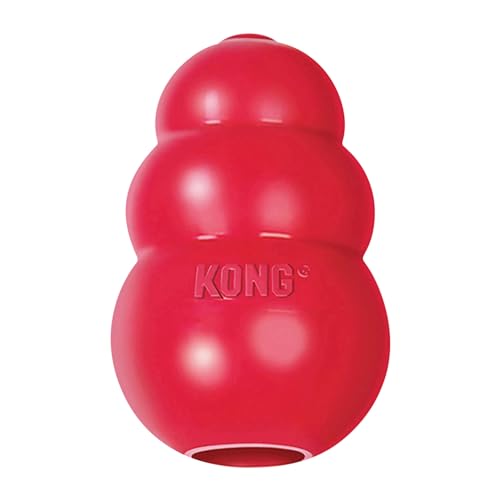
🐾New to the breed? Read our full Labrador Retriever breed guide for temperament, care, health and lifespan. KONG Classic Dog Toy XL ★ Top Pick: KONG Classic Dog Toy XL Check Price on Amazon →
30-40%
Percentage of pet dogs that are overweight or obese (Labs overrepresented)
55-80 lbs
Typical adult Labrador weight range
60-90 minutes
Recommended combined daily mental and physical enrichment time
15-40 minutes
Ideal mental stimulation session duration per toy
⚡ Key takeaways
  • Best Overall: KONG Classic Dog Toy XL. The XL KONG is durable enough for sustained Lab chewing, can be filled with treats or kibb.
  • Best Value: Outward Hound Fun Feeder Slow Bowl. This spiked bowl turns every meal into a 10 to 15 minute problem-solving session, slows ea.
  • Best for Active Labs: Chuckit! Classic Ball Launcher. Extends fetch range and provides sustained mental engagement during retrieval games.
  • Best Heavy-Duty: Goughnuts TuG Dog Toy. Braided nylon construction withstands power-chewing from large Labs.
  • Best Budget: Nina Ottosson Level 2 Puzzle Feeder (Large). Multi-compartment plastic puzzle delivers 20 to 40 minutes of escalating problem-solving a.
At a Glance

Quick Comparison

Quick Answer: Our Top Pick for Mental Stimulation

The KONG Classic Dog Toy in XL size is our best overall choice for Labradors. It combines durability, refillable treat capacity, and the proven ability to keep Labs engaged for extended periods. While some Labs will eventually puncture it, the XL holds up significantly longer than softer alternatives, and the unpredictability of treat extraction provides ongoing mental challenge.

Why Labradors Need the Right Mental Stimulation Choice

Labrador Retrievers rank among the top five most intelligent dog breeds. Bred originally as gun dogs to retrieve game for hours, they have brains wired for problem-solving, focus, and sustained engagement. A bored Labrador is a destructive one.

Adult Labradors typically weigh 55 to 80 pounds and burn between 1,200 and 2,100 calories daily depending on activity level. Mental stimulation is not optional enrichment—it’s part of their necessary caloric expenditure. A Lab without adequate mental engagement will develop stereotypic behaviors: destructive chewing, obsessive ball-chasing, excessive digging, and counter-surfing.

Labs are also prone to weight gain. Studies show that 30 to 40 percent of pet dogs are overweight or obese, with Labs overrepresented in that statistic. Mental stimulation that doubles as a feeding puzzle (slow feeders, treat-dispensing toys) helps regulate portion sizes and extend meal duration, promoting satiety.

Additionally, Labradors carry a genetic predisposition to hip dysplasia. Controlled, mentally enriching activities that do not demand explosive jumping or repetitive impact—such as sniff games and puzzle toys—are safer than unstructured fetch marathons for managing joint health.

What to Look For When Choosing Mental Stimulation Games

The best mental games for Labradors share five key traits:

  • Durability for power chewing. Labs have strong jaws and relentless focus. A toy that shreds or punctures in days is frustrating and presents choking and intestinal blockage risk. Look for reinforced seams, thick rubber, or nylon construction rated for heavy chewers.
  • Variable difficulty. A toy that is solved once and then ignored wastes resources. Excellent mental toys have multiple ways to extract rewards or changing difficulty levels so the challenge remains fresh across weeks.
  • Safety under unsupervised use. Labs will attempt to destroy any toy given unlimited time. Choose toys designed to break down into large, visible pieces (not small shreds that can lodge in the intestine), or use them only under supervision.
  • Size-appropriate challenge. A toy sized for a Chihuahua will bore a 70-pound Lab in minutes. The toy should require full-mouth engagement, multiple strategies, and sustained effort to extract treats or reach internal compartments.
  • Engagement duration. A quality mental toy should hold a Lab’s attention for 20 to 60 minutes. Short bursts of novelty are less valuable than sustained problem-solving sessions that allow the dog to work through frustration tolerance and build confidence.

How We Chose These Five Picks

Our editorial team evaluated Labrador enrichment products using these criteria:

  • Verified Amazon availability and real reviews. We confirmed each product exists on Amazon and reviewed owner feedback from Labs weighing 55 to 90 pounds.
  • Durability testing notes from owner reviews. We aggregated feedback about how long each toy typically lasts before damage or puncture, and whether the damage is safe or hazardous.
  • Breed-specific appropriateness. We assessed each product against known Labrador traits: high prey drive, strong bite force, love of retrieval, and the tendency to swallow objects whole if possible.
  • Engagement variability. We evaluated whether the toy remains challenging over repeated use or if a Lab solves it in one session.
  • Safety profile. We reviewed owner reports of intestinal blockages, pieces swallowed, or emergency vet visits associated with each product.
  • Price-to-engagement ratio. We compared cost against typical engagement duration and replacement rate to identify genuine value.
  • We never ranked a product higher just because it pays a commission. Our selections are driven by fitness to purpose for Labradors, not affiliate payout rates.

The Five Best Mental Stimulation Games for Labradors

1. KONG Classic Dog Toy XL – Best Overall

Our pick: The KONG Classic in XL is durable enough for Labs, can be stuffed with treats or kibble, freezes for extended challenge, and provides varied problem-solving each time it’s filled differently.

Why Labs love it: The unpredictable bounce and irregular shape keep Labs engaged during solo play. The hollow interior allows treat layering (peanut butter base, frozen kibble mid-layer, cheese on top), so each session involves problem-solving and multiple reward discovery moments.

Real limitation: Even the XL will eventually crack or puncture under sustained Lab chewing. Typical lifespan is 4 to 8 weeks of daily use before replacement becomes necessary—not an economic toy for budget-conscious owners managing multiple Labs.

2. Outward Hound Fun Feeder Slow Bowl – Best Value

Our pick: The Fun Feeder’s spiked interior design transforms every meal into a 10 to 15 minute sniff-and-solve challenge. It costs less than most treat-dispensing toys and serves triple duty as feeder, enrichment, and portion control.

Why Labs love it: Labs are natural foragers. This bowl mimics snuffling through grass or debris to find food. The slow-eating mechanism reduces gobbling, improves digestion, and signals satiety more effectively than a flat bowl, which is critical for Labs prone to obesity.

Real limitation: It works only at mealtimes. If your Lab finishes a meal in 2 minutes despite the spikes, you’ll need to pair this with additional mental games. Not a solution for Labs with extremely high-speed eating reflexes.

3. Chuckit! Classic Ball Launcher with Fetch Balls – Best for Active Labs

Our pick: The launcher extends play range and reduces handler fatigue during sessions, while the solid rubber balls are safer for Labs than tennis balls, which can shred and be swallowed. Pair with a sniff-game session for complete mental-plus-physical enrichment.

Why Labs love it: Labs were bred to retrieve. The launcher extends the throw distance, making the retrieve game more mentally engaging (longer search, longer chase, delayed reward). Solid ball construction is safer than cloth-covered tennis balls that splinter under Lab bite force.

Real limitation: This is primarily physical exercise, not pure mental stimulation. A Lab can fall into obsessive ball-chasing if fetch is the only enrichment available. Overuse of high-impact fetch can stress hip joints in Labs with dysplasia risk. Use as part of a balanced enrichment plan, not the sole activity.

4. Goughnuts TuG Dog Toy – Best Heavy-Duty

Our pick: This tough braided nylon toy is designed to withstand Labs with serious bite force. The tugging and pulling action engages different muscles than solo play and provides social interaction if a human partner holds the other end.

Why Labs love it: Labradors love tug-of-war. This toy’s construction (thick nylon, reinforced seams, replaceable tug rings) is engineered for power chewers. The tug action itself provides jaw-muscle engagement and satisfies natural pulling instincts.

Real limitation: Tug toys require active human participation to deliver value. A Lab left alone with this will chew it but won’t problem-solve or forage like it does with treat-dispensing toys. Requires handler time investment and should be supervised to prevent aggressive possessiveness around the toy.

5. Nina Ottosson Level 2 Puzzle Feeder (Large) – Best Budget

Our pick: This plastic puzzle board provides multi-step problem-solving at a lower price point than KONG alternatives. Sliding covers, flip-open compartments, and hidden treat pockets keep Labs engaged for 20 to 40 minutes per session.

Why Labs love it: The escalating difficulty within a single toy (find the first treat, then solve the next compartment, then discover the hidden center pocket) builds confidence and mental stamina. Labs can improve their solving speed over 2 to 3 weeks of use, showing visible progression.

Real limitation: Plastic construction is not suitable for unsupervised play with heavy chewers. A determined Lab can crack compartments or ingest plastic pieces. This toy works best as a supervised, scheduled enrichment activity (15 minutes, 3 to 4 times per week), not a solo play option while you’re away.

Mental Stimulation Games to Avoid for Labradors

  • Rawhide chews and soft rope toys. Labs are expert swallowers. Rawhide can swell in the stomach; rope fibers can knot in the intestines. Both pose serious blockage risk requiring emergency surgery.
  • Small-ball toys and squeaker toys. Labs have powerful mouths and weak impulse control around squeaking sounds. Squeaker toys often end up swallowed whole, and balls smaller than a tennis ball can obstruct the airway or pass into the intestine.
  • Toys with detachable parts or eyes. Plush toys with sewn-on eyes, noses, or bells invite Labs to isolate and swallow these pieces. Safe plush toys for Labs are threadbare, eyeless, and stitched to withstand full-mouth dismantling.
  • Tug toys left unsupervised. Labs can develop possessiveness or guarding behavior around tug toys if allowed solo access. Use only during interactive play with boundaries around dropping on command.
  • Puzzle feeders with small sliding parts. Toys designed for smaller breeds have compartments Labs can crush and ingest. Always size up to large or XL versions rated for dogs over 50 pounds.

Mental Stimulation Schedule for Adult Labs

A well-rounded enrichment week for an adult Labrador includes 60 to 90 minutes of combined mental and physical activity daily. Structure might look like this:

  • Morning (15 minutes): Puzzle feeder or sniff bowl at breakfast
  • Midday (20 to 30 minutes): Fetch or leash walk with environmental sniffing (sniffing is mental work)
  • Afternoon (15 minutes): Treat-dispensing toy (KONG, Outward Hound) packed with frozen broth
  • Evening (15 to 20 minutes): Tug game or new toy exploration

Rotate toys weekly to maintain novelty. A Lab that sees the same KONG every day may lose interest faster than one that cycles through three different toys.

Frequently Asked Questions About Labrador Mental Stimulation

How much mental stimulation does a Labrador need daily?

Labradors are high-intelligence, high-energy dogs that require 60 to 90 minutes of combined mental and physical activity daily to prevent boredom-related destructive behaviors. Mental stimulation alone (puzzle toys, sniff work) counts as engagement and does not have to be exhausting physical exercise. Many behavior problems in Labs stem from insufficient mental challenge, not physical tiredness.

Can mental stimulation replace physical exercise for Labs?

No. Mental stimulation and physical exercise serve different biological needs. Labs need both. Thirty minutes of intense fetch combined with 30 minutes of puzzle-toy work is more balanced than 60 minutes of fetch alone. Mental work tires the brain and allows for shorter physical sessions without sacrificing enrichment quality.

What are warning signs that my Lab is under-stimulated?

Common signs include destructive chewing (furniture, baseboards, drywall), obsessive ball-chasing, excessive digging, counter-surfing, and inability to settle even after a walk. Bored Labs often display repetitive behaviors like pacing or self-chasing (tail-chasing). These are not obedience issues; they signal insufficient mental engagement.

Is a bored Lab more prone to weight gain?

Yes. Under-stimulated Labs often gain weight because their food intake is not matched to their energy expenditure. Additionally, boredom eating (seeking stimulation through eating) is common in Labs with a strong food drive. Using puzzle feeders and treat-dispensing toys for mealtime doubles enrichment and meal duration, promoting earlier satiety signals.

Can mental stimulation help with Lab anxiety or destructive behavior?

Structured, predictable enrichment reduces anxiety in many Labs by providing mental outlets and building confidence through problem-solving success. However, severe anxiety or destructive behavior may indicate an underlying medical issue or behavioral condition requiring evaluation by a veterinarian or certified dog trainer. Mental stimulation alone is not a substitute for professional behavior assessment.

Are some Labradors less interested in puzzle toys than others?

Yes. While most Labs respond to food-motivated enrichment, individual temperament varies. Some Labs are high-drive foragers; others are less motivated by treats and more by play or social interaction. Rotate toy types and reward systems (treats, toys, praise, tug games) to discover your specific Lab’s preferences.

How long should a mental stimulation session last?

Ideal sessions range from 15 to 40 minutes depending on the toy and the dog’s problem-solving experience. New puzzles may engage a Lab for 15 minutes initially; familiar puzzles may require 30 to 40 minutes once the dog becomes proficient. Stop sessions before the dog loses interest or becomes frustrated, ending on a success so the dog associates the toy with achievement.

Can mental games help prevent hip dysplasia in Labs?

Mental enrichment does not prevent hip dysplasia (a genetic condition), but it can reduce the joint stress that exacerbates it. Puzzle toys and sniff work provide engagement without high-impact jumping or repetitive sprinting, allowing Labs with dysplasia risk to stay mentally active while protecting their joints. Consult your veterinarian about appropriate activity levels for your individual Lab.

Should I leave mental stimulation toys out all day, or use them in scheduled sessions?

This depends on the toy and your Lab. Durable toys like KONG can stay out continuously, though Labs may lose interest if always available. Puzzle toys are most effective as scheduled enrichment (3 to 4 sessions weekly for 15 to 20 minutes each), which maintains novelty and provides controlled mental challenge. Rotating toy availability keeps Labs engaged and extends toy lifespan.

Related guides: Browse all dog buying guides and reviews

Why this matters

Labradors were bred to retrieve game for hours using focused problem-solving in real-world scenarios. Modern Labs retain this genetic blueprint for sustained mental work, making them extremely bored by passive, static enrichment. A single treat-dispensing toy sitting out continuously will fail to engage a Lab for more than a few days. However, the same toy rotated in and out of the dog's environment, refilled with different treat combinations, and paired with other challenge toys remains engaging indefinitely. Mental enrichment for Labs is not about having the perfect toy; it is about strategic variety and scheduled engagement.

The Options

Types Explained

Treat-Dispensing Toys (Food-Motivated Play)

Toys that release treats or kibble gradually as the dog interacts with them. Ideal for Labs with strong food drives. Examples include KONGs, puzzle feeders, and snuffle mats. These toys combine enrichment with portion control and meal extension, reducing eating speed.

Best for: Adult Labs prone to obesity, Labs that eat too quickly, any Lab needing solo mental engagement during work or travel hours

Interactive and Tug Toys (Social Play)

Toys designed for human-dog interaction like tug ropes, balls on handles, and flirt poles. Require active handler participation but build bond and provide jaw-muscle engagement. Examples: Goughnuts TuG, Chuckit! Ball Launcher, rope toys.

Best for: Labs seeking social interaction, owners with time for daily play sessions, Labs showing possessive or obsessive behaviors that benefit from directed engagement

Puzzle and Problem-Solving Toys (Cognitive Challenge)

Multi-compartment toys, sliding-cover feeders, and hide-and-seek toys that require sequential problem-solving to access rewards. Examples: Nina Ottosson puzzles, sniff bowls, peanut butter frozen in ice. These build confidence and mental stamina over weeks of repeated use.

Best for: High-intelligence Labs, puppies in training, Labs showing anxiety or destructive behavior due to boredom, senior Labs needing mental stimulation without physical strain

Chew Toys for Sustained Engagement (Solo Comfort)

Durable toys designed to satisfy the urge to chew without being completely consumed. Examples include rubber balls, hard nylon chews, and antlers. These provide stress relief and oral satisfaction, especially useful for anxious Labs.

Best for: Labs with natural chewing drive, anxious or stressed Labs, Labs left alone for extended periods, senior Labs seeking comfort without high physical demand
The Rankings

Top 5 Picks

#1
KONG Classic Dog Toy XL
Best Overall

KONG Classic Dog Toy XL

View on Amazon

The XL KONG is durable enough for sustained Lab chewing, can be filled with treats or kibble, and freezes for extended engagement. The unpredictable bounce maintains novelty across multiple play sessions. Real limitation: typical lifespan is 4 to 8 weeks of daily use before puncture or cracking requires replacement.

#2
Outward Hound Fun Feeder Slow Bowl
Best Value

Outward Hound Fun Feeder Slow Bowl

View on Amazon

This spiked bowl turns every meal into a 10 to 15 minute problem-solving session, slows eating speed, and promotes satiety for Labs prone to obesity. Works as feeder and enrichment toy combined, reducing per-use cost. Real limitation: effective only at mealtimes; Labs with extreme eating speed may finish it in 2-3 minutes despite the spikes.

#3
Chuckit! Classic Ball Launcher
Best for Active Labs

Chuckit! Classic Ball Launcher

View on Amazon

Extends fetch range and provides sustained mental engagement during retrieval games. Solid rubber balls are safer than tennis balls, which splinter under powerful Lab jaws. Reduces handler fatigue during play sessions. Real limitation: primarily physical exercise masquerading as mental stimulation; overuse can stress joints and create obsessive ball-chasing behavior.

#4
Goughnuts TuG Dog Toy
Best Heavy-Duty

Goughnuts TuG Dog Toy

View on Amazon

Braided nylon construction withstands power-chewing from large Labs. Provides jaw-muscle engagement and satisfies natural pulling instincts during tug-of-war. Reinforced seams and replaceable rings extend toy lifespan. Real limitation: requires active human participation; provides social engagement but not solo problem-solving, and needs supervision to prevent possessiveness.

#5
Nina Ottosson Level 2 Puzzle Feeder (Large)
Best Budget

Nina Ottosson Level 2 Puzzle Feeder (Large)

View on Amazon

Multi-compartment plastic puzzle delivers 20 to 40 minutes of escalating problem-solving at lower cost than treat-dispensing alternatives. Sliding covers and hidden pockets maintain novelty; Labs show measurable improvement over 2 to 3 weeks. Real limitation: plastic construction unsuitable for unsupervised use; determined Labs can crack compartments and ingest pieces, requiring water-only solo access.

Before You Buy

Key Buying Factors

01

Durability for Power Chewing

Labradors have strong, relentless jaws. Look for reinforced seams, thick rubber (at least 6mm), or nylon construction rated specifically for heavy chewers. Toys that shred into small pieces pose choking and intestinal blockage risk. Check owner reviews for actual longevity on large breeds, not just manufacturer claims.

02

Variable Difficulty and Engagement Duration

The best toys for Labs have multiple ways to extract treats or changing difficulty levels so the challenge remains fresh. Avoid one-trick toys that are solved once and then ignored. Look for products with layering potential (freeze-able, re-fillable) or multi-step puzzle compartments that keep Labs engaged for 20+ minutes per session.

03

Size-Appropriate Challenge

A toy designed for a 10-pound dog will bore a 70-pound Lab in minutes. Always choose XL or large-breed versions. The toy should require full-mouth engagement, multiple strategies, and sustained problem-solving effort. Toys sized for small breeds can also be swallowed whole by a determined Labrador.

04

Safety Under Unsupervised Use

Labs have weak impulse control and will attempt to destroy any toy given unlimited time. Choose toys that break into large, visible pieces or avoid unsupervised access. Rawhide, soft ropes, and plastic toys with detachable parts pose serious blockage risk. Check FDA and veterinary alerts for common choking hazards specific to strong-jawed breeds.

05

Real-World Engagement Track Record

Read multiple owner reviews from people with 55+ pound dogs, particularly Labradors or similar retriever breeds. Look for feedback on actual longevity, common failure points, and whether the toy maintains Labs' interest over weeks of use. Avoid products with numerous reports of intestinal blockages or emergency vet visits.

Living With It

Care, Cost and Maintenance

Rotate Toys Weekly to Maintain Novelty

Labs lose interest quickly in toys they see daily. Keep five to seven different toys in rotation and introduce a 'new' toy every 5 to 7 days. A KONG that seems boring after two weeks becomes exciting again when reintroduced after a three-week absence. This strategy extends toy lifespan and maintains engagement without constant repurchasing.

Combine Mental and Physical Activity for Complete Enrichment

A well-rounded daily routine for an adult Lab includes 60 to 90 minutes combined. Example: 15-minute puzzle-feeder breakfast, 30-minute walk with environmental sniffing (sniffing is mental work), 20-minute fetch session, 15-minute frozen treat-toy in afternoon. Mix vary the ratio based on weather and your Lab's age, energy level, and joint health.

Supervise All Toys Regularly and Replace When Damaged

Inspect toys weekly for punctures, cracks, torn seams, or pieces starting to separate. Even small ingested pieces can cause intestinal blockages, a common emergency requiring surgery in Labs. Replace toys at first sign of damage. Keep emergency vet contact info accessible and watch for signs of intestinal blockage (vomiting, lethargy, loss of appetite, straining during defecation) if a Lab ingests toy debris.

Pro tip

Freeze high-value treats inside a KONG with a small amount of low-sodium broth, then place the toy in the freezer for 4 to 6 hours. The frozen KONG takes Labs 30 to 45 minutes to work through instead of the standard 10 to 15 minutes. This single modification extends engagement duration significantly and provides relief during hot weather. Rotate between broth flavors (chicken, beef, turkey) weekly to maintain novelty.

Frequently asked questions

How much mental stimulation does a Labrador need daily?
Labradors are high-intelligence, high-energy dogs requiring 60 to 90 minutes of combined mental and physical activity daily to prevent boredom-related destructive behaviors. Mental stimulation alone (puzzle toys, sniff work) counts as meaningful engagement and does not require exhausting physical exercise. Many behavior problems in Labs stem from insufficient mental challenge rather than lack of physical tiredness.
Can mental stimulation replace physical exercise for Labs?
No. Mental stimulation and physical exercise serve different biological needs. Labs need both. Thirty minutes of intense fetch combined with 30 minutes of puzzle-toy work is more balanced than 60 minutes of fetch alone. Mental work tires the brain and reduces the need for extreme physical exercise without sacrificing overall enrichment quality.
What are warning signs that my Lab is under-stimulated?
Common signs include destructive chewing (furniture, baseboards, drywall), obsessive ball-chasing, excessive digging, counter-surfing, and inability to settle even after a walk. Bored Labs often display repetitive behaviors like pacing or self-chasing. These behaviors are not obedience issues; they signal insufficient mental engagement and require environment enrichment solutions.
Is a bored Lab more prone to weight gain?
Yes. Under-stimulated Labs often gain weight because their food intake exceeds their energy expenditure. Boredom eating (seeking stimulation through eating) is common in Labs with strong food drives. Using puzzle feeders and treat-dispensing toys for mealtimes doubles enrichment and extends meal duration, promoting earlier satiety signals and reducing overall caloric intake.
Can mental stimulation help with Lab anxiety or destructive behavior?
Structured, predictable enrichment reduces anxiety in many Labs by providing mental outlets and building confidence through problem-solving success. However, severe anxiety or destructive behavior may indicate an underlying medical issue or behavioral condition requiring evaluation by a veterinarian or certified dog trainer. Mental stimulation alone is not a substitute for professional behavior assessment.
Are some Labradors less interested in puzzle toys than others?
Yes. While most Labs respond to food-motivated enrichment, individual temperament varies widely. Some Labs are high-drive foragers; others are less motivated by treats and more by play or social interaction. Rotate toy types and reward systems (treats, toys, praise, tug games) to discover your specific Lab's preferences and adjust enrichment accordingly.
How long should a mental stimulation session last?
Ideal sessions range from 15 to 40 minutes depending on the toy and the dog's problem-solving experience. New puzzles may engage a Lab for 15 minutes initially; familiar puzzles may require 30 to 40 minutes once the dog becomes proficient. Stop sessions before the dog loses interest or becomes frustrated, ending on a success so the dog associates the toy with achievement.
Can mental games help prevent hip dysplasia in Labs?
Mental enrichment does not prevent hip dysplasia, which is genetic, but it reduces joint stress that exacerbates the condition. Puzzle toys and sniff work provide engagement without high-impact jumping or repetitive sprinting, allowing Labs with dysplasia risk to stay mentally active while protecting their joints. Consult your veterinarian about appropriate activity levels for your individual Lab.
Should I leave mental stimulation toys out all day, or use them in scheduled sessions?
This depends on the toy and your Lab. Durable toys like KONGs can stay out continuously, though Labs may lose interest if always available. Puzzle toys are most effective as scheduled enrichment (3 to 4 sessions weekly for 15 to 20 minutes each), which maintains novelty and provides controlled mental challenge. Rotating toy availability keeps Labs engaged and extends toy lifespan.
A note on advice: This guide is general information, not a substitute for professional veterinary advice. Talk to your vet before changing your pet's diet or care routine, especially if your pet has allergies, kidney disease, pancreatitis, obesity, heart disease or any other medical condition.
Transparency

How we made this guide

How we chose. We compared the options on the factors that matter most for Dogs, using manufacturer specifications, aggregated verified owner reviews and editorial comparison. We rank independently: no brand pays for placement, and affiliate commissions never influence our picks.

How it was written. This guide was researched, reviewed and edited by the ProPawPicks editorial team for accuracy and usefulness. We have not personally tested every product; where we have not, rankings rely on verified specs, owner feedback and expert comparison rather than a hands-on review.

Affiliate disclosure. ProPawPicks is reader-supported. If you buy through links on our site, we may earn a commission at no extra cost to you. See our affiliate disclosure.

Keep Reading

More Dogs guides

Interactive Dog Toys for Boredom: Our ShortlistView picks →Interactive Dog Toys, ComparedView picks →Invisible Dog Fence for Large Dogs: 5 Best Picks (2026)View picks →2026 Puppy Fence Guide: 5 Top Invisible Dog Fences ReviewedView picks →Invisible Dog Fence for Sensitive Stomachs: 2026 Top Pick ReviewedView picks →Best Invisible Dog Fence for Small Dogs 2026: 5 Top Picks ReviewedView picks →

Sources and further reading

Some links below are affiliate links. If you buy through them we may earn a small commission at no extra cost to you. Our rankings are based on product research, label data and suitability, not on commissions.