Quick Answer
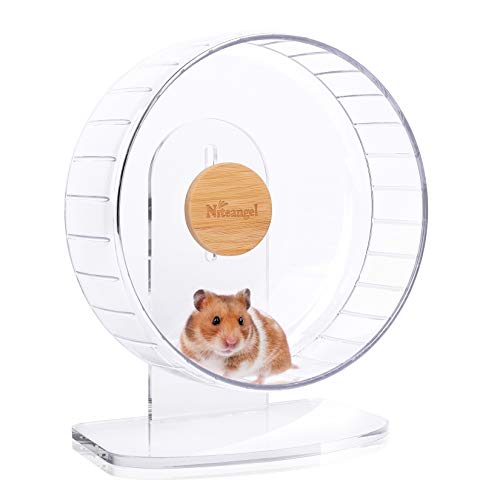
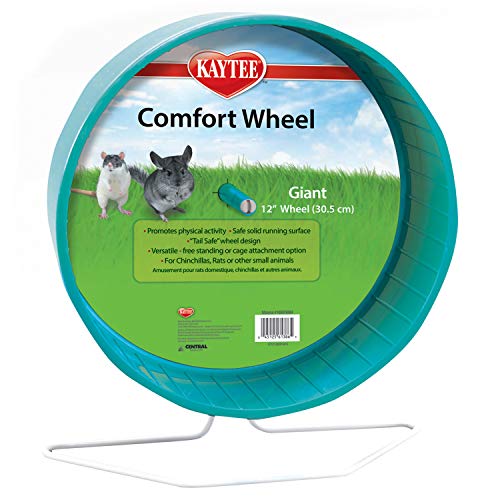
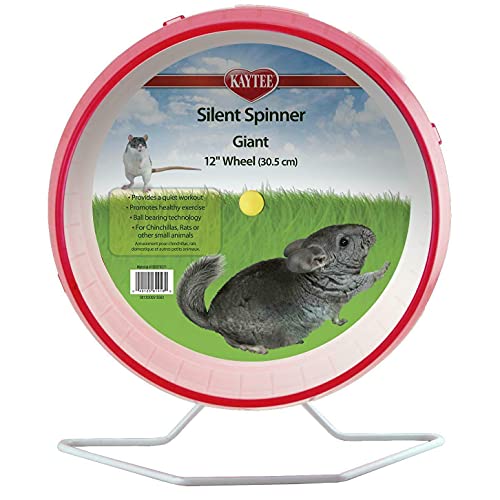
The best exercise wheel for an African pygmy hedgehog is a large, solid-surface wheel roughly 11 to 12 inches or more in diameter, running on a quiet bearing with a stable, easy-to-clean base. Hedgehogs cover several miles a night, so a wheel is not a luxury but a welfare essential that supports weight control, mental stimulation, and healthy feet. The single most important rule is that the running surface must be one continuous solid piece. Never choose wire rungs, mesh, or slatted tracks, because a hedgehog’s tiny feet and legs can slip through and become trapped, twisted, or degloved.
Why It Matters
In the wild, hedgehogs are active foragers that roam long distances every night, and captive hedgehogs keep that same drive. Without a properly sized wheel, a housed hedgehog can quickly become overweight, which strains the heart and joints and shortens lifespan. A wheel that is too small forces the back into a permanent arch as the animal runs, and over time that unnatural curve can contribute to spinal discomfort and injury. Giving your hedgehog a large, safe wheel is one of the simplest ways to protect long-term health, and any sudden refusal to run or visible limping should prompt a visit to an exotics veterinarian.
What to Look For
Prioritize a solid, non-slip running surface with no gaps, crossbars, or exposed axle where feet or spines could catch. Diameter matters just as much: aim for about 11 to 12 inches or larger so the spine stays flat and level rather than arched. Because hedgehogs are nocturnal and often run for hours after lights-out, a genuinely quiet bearing or silent spinner mechanism keeps both the animal and your household undisturbed. Finally, choose a wide, weighted, or clip-on base that will not tip during a hard sprint, and a design that comes apart for fast daily cleaning.
How We Chose
Our picks are chosen editorially by reviewing manufacturer specifications, published dimensions, surface materials, and owner-reported feedback, with an emphasis on hedgehog-specific safety rather than generic small-pet marketing. We did not run laboratory endurance tests; instead we screened out anything with a wire, mesh, or slatted surface, anything under about 11 inches, and any design known to tip or run loudly. We favored solid one-piece tracks, quiet sealed bearings, stable bases, and easy-clean construction, since those features protect feet and support nightly running. Product availability and pricing change often, so confirm current specs before buying.
What to Avoid
Avoid any wheel with wire rungs, mesh, bars, or a slatted surface, as these are the leading cause of trapped toes, broken legs, and degloving injuries in hedgehogs. Skip undersized hamster wheels below roughly 11 inches, which force painful back arching. Steer clear of flimsy stands that wobble or tip, exposed center axles that can snag quills or feet, and porous or hard-to-open designs that trap urine and feces and resist daily cleaning. If your hedgehog develops any foot swelling, cuts, or reluctance to run, stop using the wheel and consult an exotics vet, since these issues are easier to treat early.