Quick answer
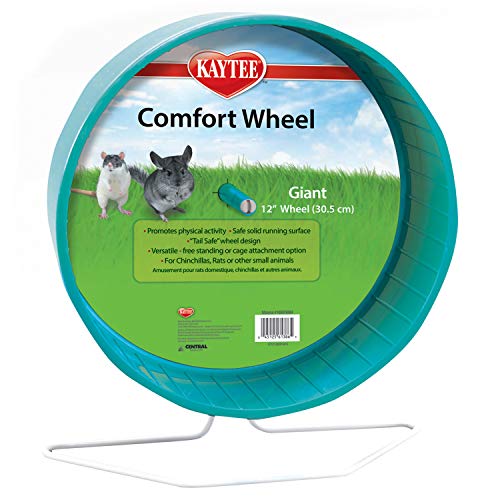
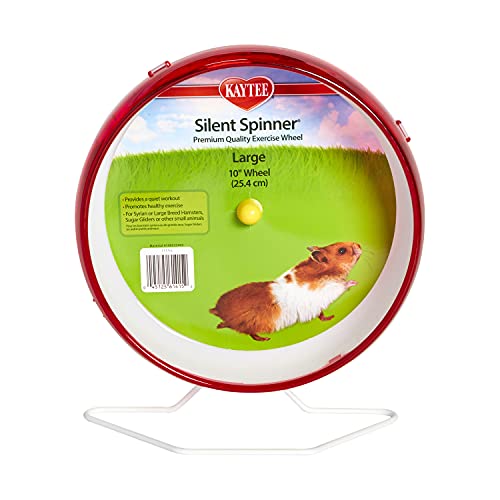
Degus are among the most energetic small pets in the hobby, and a wheel is not a luxury for them, it is a daily need. The safest pick is a large wheel with a fully solid running surface and a sturdy, chew resistant build. For most homes the Kaytee Silent Spinner is the easiest choice, since its solid plastic track and quiet bearing suit a degu that runs hard at night. If you want more room, a 14 inch degu treadmill wheel gives a long body plenty of stride.
Why size and a solid surface matter
A degu has a long body and a long, delicate tail, so a small hamster wheel forces the spine into a painful curve every time it runs. Over months that posture can lead to back strain and joint problems. Aim for a diameter of at least 11 to 12 inches so your degu runs with a straight back. The running surface matters just as much. A solid, gap free track protects the feet, but the bigger reason is the tail. Wire rungs, mesh, open spokes, or an exposed axle can catch a foot or a tail and cause a serious injury, including tail degloving, where the skin is stripped from the tail. Any wound of this kind should be seen by an exotic vet the same day.
What to look for
Start with size and surface, then check the build. Degus gnaw constantly, so a metal frame or hard, thick plastic lasts far longer than soft plastic that can splinter and be swallowed. A stable freestanding stand or a secure cage mount keeps the wheel from tipping while a heavy runner is at full speed. A closed side and a solid track with no visible gaps are the safest layout. Quiet bearings or a magnetic drive help everyone sleep, since degus are busy at dawn and dusk.
How we chose
We prioritized wheels that meet the two rules that keep degus safe: a large diameter and a solid, gap free surface. We compared listed diameters, surface type, frame material, and how each wheel mounts or stands. We favored designs marketed for degus and chinchillas, since those are sized for long bodied rodents rather than hamsters. We did not lab test these wheels; our picks reflect published specifications, owner feedback, and known degu care guidance.
What to avoid
Skip small hamster wheels under 11 inches, since they curve the spine and stress the joints. Avoid any wire, mesh, or rung surface, and avoid open spokes or an exposed axle that a tail can wrap around while the wheel spins. Mesh saucers and flying saucer discs are also a poor choice, because they offer no wall to keep a runner centered and can pinch feet. Do not use flimsy plastic that a degu can chew apart in days and swallow. When in doubt, choose bigger, heavier, and more solid, and inspect the wheel often.