The Quick Answer
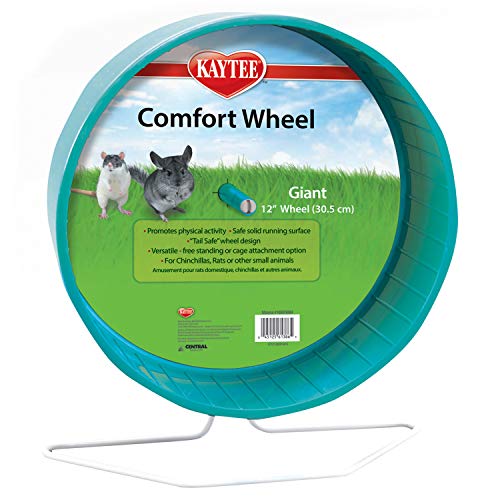
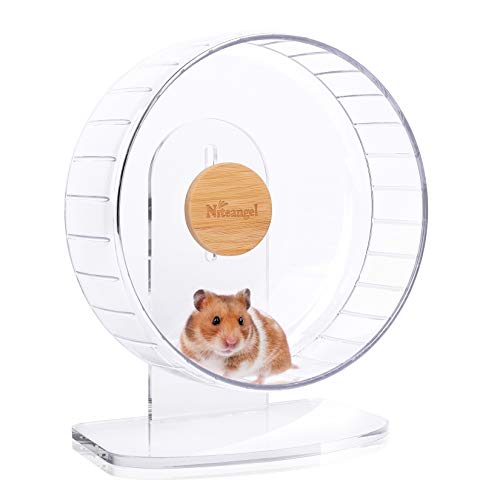
For a gerbil, the safest exercise wheel has a fully solid running surface, no wire rungs and no slatted gaps, and a diameter of roughly 20 cm (about 8 inches) or more so an adult can run with a flat back rather than an arched spine. A solid track protects a gerbil’s small feet and, critically, its tufted tail, which can be caught, degloved or broken by an open design. Pair that solid surface with a quiet, well balanced bearing and a stable stand, and you have the core of a good gerbil wheel. Match the size to your individual gerbil, since a larger animal may need the bigger end of the range.
Why It Matters
Gerbils are built to move, and in a home enclosure a wheel is one of the few ways they can burn that energy and stay in good condition. The wrong wheel does the opposite of help. Wire or barred surfaces can trap toes and cause sore, infected feet, sometimes called bumblefoot, while a wheel that is too small forces a permanently curved back that can lead to lasting spinal strain. Because a gerbil’s tail has a distinctive tuft and a delicate skin sheath, any gap or slat is a genuine injury risk, not a minor detail. Choosing carefully turns a wheel from a hazard into a real welfare benefit.
What To Look For
Start with the running surface. It must be one continuous solid piece of plastic, acrylic or metal tread with no slots, mesh or rungs. Next check the diameter: aim for about 20 cm or larger and watch your gerbil once it is running, since a flat back is the goal and an arched back means the wheel is too small. Look for a sealed or quiet bearing so nighttime running does not keep the household awake, and a wide, stable stand or a very secure cage mount so the wheel does not tip or wobble. Finally, avoid any protruding central axle inside the running lane and confirm the material can stand up to a determined chewer.
How We Chose
This guide is editorial research, not a hands on lab test, and we are clear about that. We prioritized wheels that meet the welfare basics that gerbil keepers and small animal resources consistently emphasize: a solid surface, an appropriate diameter, quiet operation and a stable base. We looked at real listed products and their stated specifications, favoring solid tracks in the 20 cm and up range and flagging where a model may run smaller or need a separate stand. Where a design uses a disc or spinner mechanism, we note that some gerbils never take to it. Nothing here replaces guidance from an exotics vet who knows your animal.
What To Avoid
Skip anything with wire rungs, mesh, ladder style slats or open gaps, no matter how it is marketed, because these are the designs most likely to injure a tail or foot. Avoid undersized wheels that force an arched back, saucer or disc styles that many gerbils dislike or use awkwardly, and any wheel with an exposed axle bar crossing the running area. Be wary of flimsy plastic if your gerbil is a heavy chewer, and of wobbly stands that tip during a fast run. If a wheel cannot give a flat back and a solid, gap free surface, it is not the right wheel for a gerbil.