Quick answer
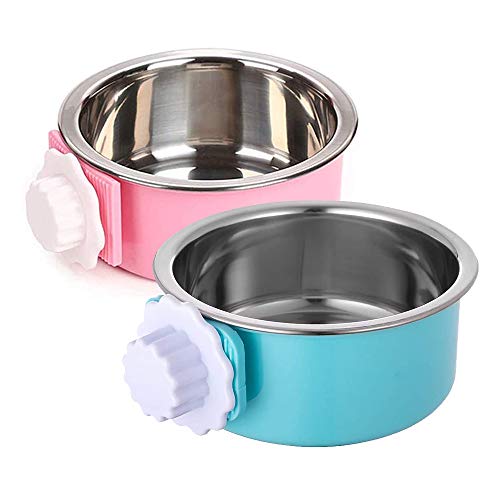
Ferrets are busy, curious animals that love to dig in their dishes, so the best feeding bowl is one they cannot tip, bury, or drag around the cage. A bowl that locks onto the cage bars, like the Lixit Quick Lock, or a heavy ceramic crock is the most reliable choice. Stainless steel bowls that clip in place are easy to clean and chew resistant. Add a separate sturdy water bowl, since most ferrets drink more freely from a bowl than a sipper bottle.
Why tip-proof bowls matter
A ferret spends its waking hours exploring, and a light plastic dish is an open invitation to flip and scoop. Spilled kibble goes stale under bedding, water soaks into litter, and your ferret ends up eating less than it should. Because ferrets have a fast metabolism and graze on small meals through the day, steady access to clean food matters. A secure bowl keeps meals in one place, cuts waste, and makes it easy to see how much your ferret is actually eating. It also protects the water supply, which a ferret can foul or empty in minutes by digging bedding into an open dish.
What to look for
Start with tip resistance. A lock-on cage bowl or a heavy crock stays put when a ferret digs at it. Choose a low, wide shape so a short ferret can reach the food without climbing in. Non-porous materials such as stainless steel and glazed ceramic wipe clean, resist chewing, and do not hold odors like scratched plastic. Size the bowl for small, frequent meals rather than one large serving, and keep a separate bowl for water. Many owners run two matching lock-on bowls, one for kibble and one for water, so neither gets flipped or fouled during the day.
How we chose
We focused on designs that solve the tipping problem first, favoring bowls that either lock to the cage or carry enough weight to resist a determined ferret. We looked for stainless steel and ceramic over light plastic, low profiles that suit a ferret’s short reach, and shapes that lift out for quick daily washing. We also weighed owner feedback on how well each bowl holds up to chewing and digging, and gave extra credit to two-packs that let you set up separate food and water stations.
What to avoid
Skip light plastic bowls that a ferret can chew, drag, and flip in seconds. Avoid tall or narrow dishes that force a small ferret to reach awkwardly, and steer clear of bowls with rough seams that trap food and bacteria. Do not rely on a water bottle alone, since many ferrets drink poorly from sipper tubes. If you use a floor crock, make sure it is heavy enough that digging does not slide it across the cage or knock it over. And do not leave sharp-edged or cracked bowls in the cage, as a chipped rim can hurt a ferret and traps food that quickly turns stale.