Quick answer
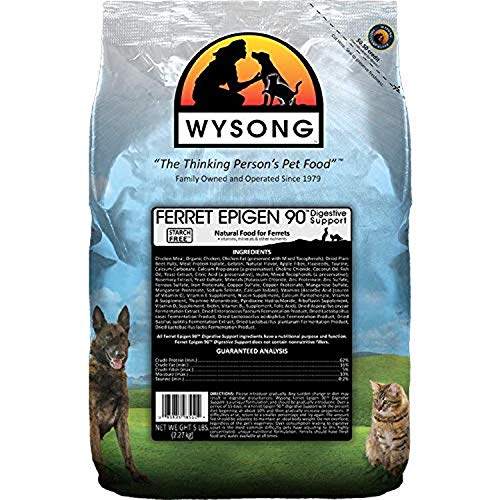
Ferrets are strict obligate carnivores, so the best raw diet food is built almost entirely from animal meat, fat, bone and organ, with taurine and near-zero carbohydrate or fibre. For most owners the simplest safe route is a complete freeze-dried raw such as Raw Paws Freeze Dried Ferret Food, backed by a starch-free high-protein option like Wysong Ferret Epigen 90. True whole-prey and frankenprey feeding can work well but must be properly balanced, so treat any raw plan as something to confirm with a ferret-savvy exotics vet.
Why a meat-based diet matters
A ferret’s gut is short and fast, with no ability to break down plant matter, so it needs roughly 32 to 40 percent animal protein and 15 to 20 percent animal fat by dry matter. Taurine supports heart and eye health, and appropriate raw bone supplies calcium in the right ratio to phosphorus. Diets high in grains, vegetables or sugar are linked to health problems in ferrets, which is why meat-first feeding is the goal whether you choose raw, freeze-dried raw or a quality meat-based kibble.
What to look for
Prioritise named animal meats as the first ingredients, a high protein percentage and low carbohydrate. The frankenprey model targets roughly 80 percent muscle meat, 10 percent edible raw bone and 10 percent organ (about half of that organ being liver) to approximate a whole animal. Look for included taurine, variety of proteins such as chicken, rabbit and quail, and clear feeding guidance. Complete freeze-dried raw like Raw Paws removes the guesswork of ratios, while Wysong Ferret Epigen 90 gives a starch-free very high-protein base for owners who want convenience.
How we chose
We compared widely available ferret diets on protein and fat levels, ingredient quality, taurine, carbohydrate load and how closely each matches a ferret’s natural prey. We favoured named meats, starch-free or low-starch formulas and brands ferret owners trust, including Raw Paws, Wysong, Marshall, Oxbow and Wild Harvest. We did not run lab trials or feeding tests, so treat these as research-based picks rather than tested verdicts, and confirm any full raw switch with an exotics vet who knows your ferret.
What to avoid
Avoid dog food, high-grain or vegetable-heavy foods, sugary treats and any raw plan that is not properly balanced, since an unbalanced raw diet can cause calcium, taurine or other deficiencies over time. Skip cooked bones, which splinter, and do not rely on muscle meat alone, because meat without bone and organ leaves calcium and micronutrients short. Handle all raw meat with strict food safety: keep it cold, thaw in the fridge, wash hands and surfaces, and discard uneaten portions promptly to limit bacteria such as salmonella. Do not view raw as risk-free. If in doubt, use a complete freeze-dried raw or a quality meat-based kibble as a safer middle ground, and plan any full raw switch with a ferret-savvy exotics vet rather than piecing a diet together alone.