The Quick Answer
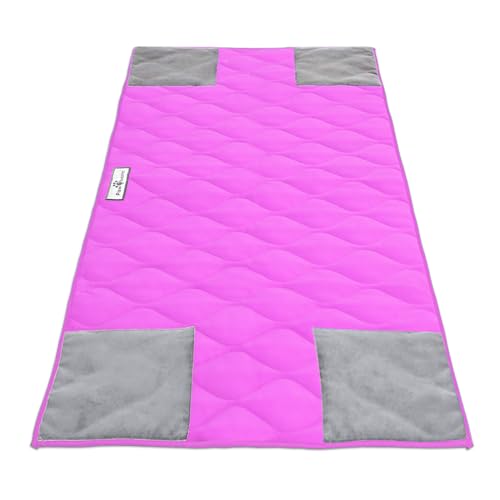
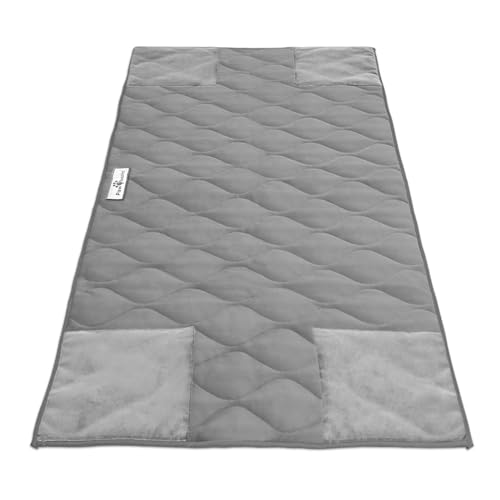
The best fleece liner for a guinea pig is a multi layer liner with a soft anti pill fleece top, an absorbent middle core, and a waterproof backing, sized to fit your C&C or standard cage. Fleece has become the go to bedding for guinea pigs because it is reusable, low dust, and comfortable underfoot. The key is that fleece alone does not absorb liquid, so a good liner pairs the wicking fleece top with an absorbent layer underneath that pulls urine through and holds it, keeping the surface your pigs sit on dry.
Why Fleece Bedding Matters for Guinea Pigs
Guinea pigs spend nearly all day on their bedding, so a dry, clean surface protects their feet and general health. A damp or dirty floor raises the risk of bumblefoot, a painful foot condition, and heavy ammonia from trapped urine can irritate their sensitive respiratory system. Fleece that wicks properly moves moisture down and away, leaving a soft top that stays comfortable between cleanings. Fleece also cuts down on the dust that loose paper and shavings can produce, which many owners prefer for pigs prone to sneezing. If you notice sores on the feet, ongoing wet fur, or breathing changes, treat it as a signal to clean more often and check with an exotics vet, since only a vet can diagnose and treat these conditions.
What to Look For in a Fleece Liner
Prioritize wicking performance, which comes from anti pill or blizzard fleece over a genuinely absorbent core such as microfiber, cotton batting, or a built in pad. Check that the size matches your cage grids, commonly 2×4 or 2×6 for C&C setups, so the liner lies flat without gaps pigs can burrow under. Look for a waterproof PUL bottom to protect the cage tray, sewn or serged edges to resist fraying and chewing, and a machine washable, quick drying build. Some liners add corner tabs or a snug fit to stop shifting when your pigs popcorn and zoom around.
How We Chose These Liners
We focused on liners built specifically for small pets with a true three part construction rather than a single sheet of craft fleece. We compared how each handles the realities of guinea pig care: absorbency for frequent urination, fit for popular cage sizes, edge durability against digging and nibbling, and ease of shaking out hay and washing. We favored designs from makers known in the guinea pig community and weighed reported longevity across many wash cycles. We do not lab test these products ourselves, so our picks reflect construction, materials, and how well each fits everyday guinea pig routines.
What to Avoid
Avoid using fabric softener or dryer sheets, because the residue coats the fibers and ruins wicking, leaving urine to pool on top. Skip thin, cheap fleece with no absorbent layer, since it simply gets soaked and smells fast. Watch for liners that pill quickly, fray at unsewn edges, or shift and expose the cage floor for burrowing. Do not ignore chewing: some pigs nibble fabric, so provide unlimited hay and chew toys, and choose reinforced edges if needed. Finally, never let a damp liner sit, as trapped moisture invites odor, bacteria, and foot problems.