Quick answer
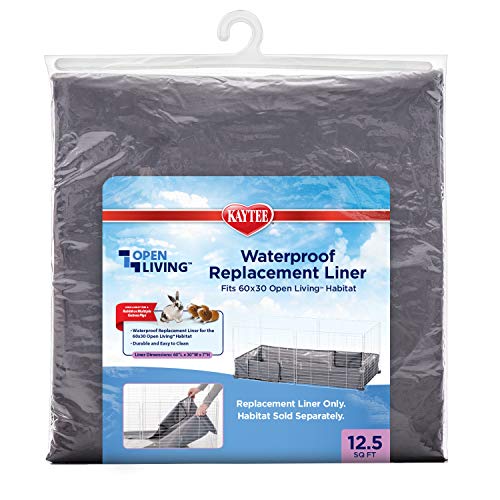
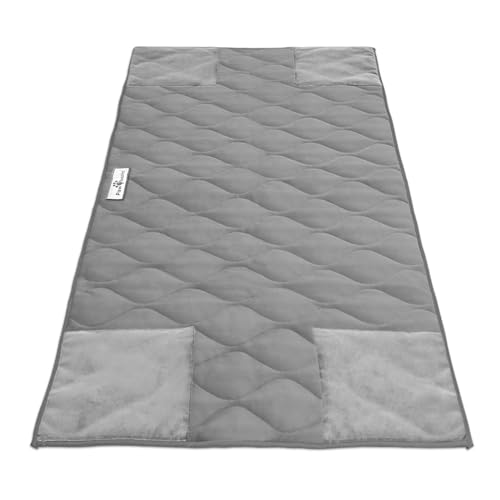
The best fleece liner for most rabbits is the GuineaDad Original Liner, a small-animal liner with a soft fleece top and a waterproof PUL backing that keeps the surface dry and gentle on delicate feet. For a budget option the Kaytee Open Living Replacement Liner covers a cage floor at low cost, and the Paw Inspired PopCorner Cage Liners add a non-slip backing and extra plush comfort. Fleece works because it pulls urine down to an absorbent layer, leaving the top your rabbit sits on feeling dry and soft.
Why fleece liners help
Rabbits have furred feet with no protective pads, so hard or damp bedding can lead to sore hocks and urine scald. A properly prepped fleece liner wicks liquid away from the surface, giving a soft, dry resting spot. It is reusable and washable, so you cut the cost, dust, and waste of loose bedding over time, which matters most in a busy household. The plush surface is also easy on senior rabbits, overweight rabbits, and those already showing thinning fur on the heels. Because you toss the liner in the wash rather than bagging up shavings, daily upkeep is faster and far less messy once you settle into a routine.
What to look for
Prioritize wicking performance, softness, and a snug fit. The GuineaDad top layer and the moisture-wicking build on the Kaytee liner both move urine off the surface, while the Paw Inspired liner adds a non-slip backing so it stays put under an active rabbit. Choose a size that covers the whole floor with no gaps, like the Paw Inspired sizes up to 52×30 inches for larger or multi-level cages. Reinforced edges resist fraying, and a non-slip or waterproof backing keeps the liner flat and stops leaks reaching the cage tray. If you run a C&C enclosure, a fitted liner cut to your grid layout is worth the extra cost.
How we chose
We compared real small-animal fleece liners on wicking design, surface softness, backing type, size range, and washability, then matched each to a clear use case: overall comfort, value, and premium plush. We favored liners with waterproof or absorbent construction and reinforced edges, and we weighed how each one holds up across dozens of wash cycles. Rather than leaning on any single trial, we cross-checked owner-reported durability, shrinkage, and pilling so the picks reflect long-term use, not first-week impressions.
What to avoid
Fleece is not a magic fix. New fleece repels water until it is washed a few times to break in the wicking, so wash and prep before first use, and always place an absorbent layer such as towels or U-haul pads underneath. Fleece alone is not litter training, so your rabbit still needs a litter box. Skip fleece for determined chewers or diggers who swallow fabric, since ingested pieces can cause a dangerous gut blockage. Wash frequently to stay hygienic, and see a rabbit-savvy vet if you spot sore hocks or a change in litter habits.