Some links below are affiliate links. If you buy through them we may earn a small commission at no extra cost to you. Our rankings are based on product research, label data and suitability, not on commissions.
Best Overall: Kaytee Stoneware Ceramic Pet Hamster Bowl. The wide, heavy ceramic base prevents tipping even when your mini lop hops around.
Best for Sensitive Needs: Living World Ergonomic Food Dish. Designed with a curved edge that fits a rabbit's chin perfectly, this bowl minimizes conta.
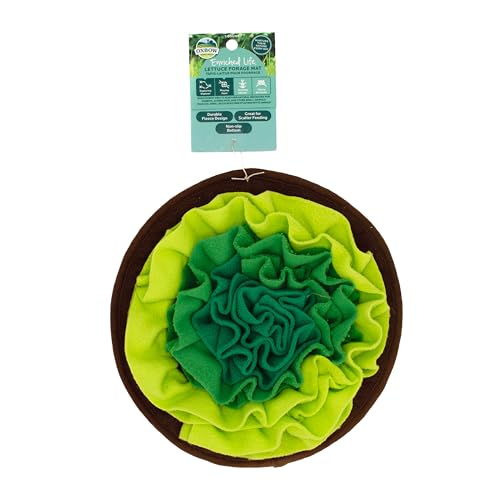
Best Premium: Oxbow Enriched Life Lettuce Forage Mat, Foraging Mat. This heavyweight ceramic bowl is nearly impossible to tip, and its wide, shallow shape sui.
Best Value: Fox Run Stainless Steel Small Mixing Bowl. Stainless steel is naturally non-porous and easy to sanitize, making it a hygienic choice.
Editor Pick: Ferplast Magnus 5 Dog Bowl. The unique dome shape keeps pellets from spilling out as mini lops dig for favorite pieces.
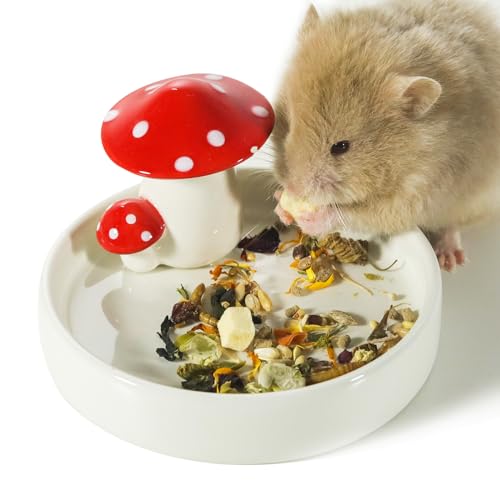
Best Budget: Niteangel Hamster Feeding & Water Bowls- Mushroom Ceramics Series. Despite its low price, this bowl offers a sturdy ceramic build that resists tipping.
The best food bowl for a Mini Lop is heavy, chew proof, and hard to tip, which means ceramic or stainless steel rather than light plastic. Our top pick is the Kaytee Stoneware ceramic bowl for its weight and easy cleaning, while the Fox Run stainless steel bowl is a durable value choice. Use the bowl for a measured portion of pellets and offer hay separately, so a food loving Mini Lop cannot flip its dish or graze all day.
Why the right bowl matters for Mini Lops
Mini Lops are enthusiastic eaters that love to nose and toss their dishes, so a lightweight bowl ends up flipped, with food scattered across the enclosure. A heavy ceramic or steel bowl stays put and keeps meals clean. Material matters too, since Mini Lops chew, and scratched plastic not only gets gnawed but harbors bacteria in the grooves. Because this breed gains weight easily, a bowl also helps you serve a measured portion rather than free feeding pellets.
Why this matters
The single most useful feature in a Mini Lop food bowl is weight. These little rabbits love to nose and toss their dishes, so a heavy ceramic or stainless bowl that will not tip keeps food off the floor. Ceramic and steel are also chew proof and easy to clean, unlike scratched plastic that harbors bacteria.
The Options
Types Explained
Ceramic and stoneware bowls
Heavy, chew proof dishes that resist tipping and clean easily.
Best for: Most Mini Lops, especially keen tippers
Stainless steel bowls
Durable, hygienic metal bowls, often with a non slip base.
Best for: Chewers and easy dishwasher cleaning
Lock-on or clip bowls
Bowls that fix to cage bars so they cannot be tipped.
Best for: Wire cages where a rabbit flips loose bowls
Plastic bowls
Light and cheap but easily chewed, scratched, and tipped.
Best for: A budget backup, not a first choice
The Rankings
Top 6 Picks
#1
Best Overall
Kaytee Stoneware Ceramic Pet Hamster Bowl
View on Amazon
The wide, heavy ceramic base prevents tipping even when your mini lop hops around. Its smooth glazed surface resists bacteria and is easy to clean, reducing the risk of chin acne common in lops.
Designed with a curved edge that fits a rabbit's chin perfectly, this bowl minimizes contact with food residue, ideal for mini lops prone to chin acne. The non-slip base keeps it steady.
Oxbow Enriched Life Lettuce Forage Mat, Foraging Mat
View on Amazon
This heavyweight ceramic bowl is nearly impossible to tip, and its wide, shallow shape suits a mini lop's flat face. The lead-free glaze ensures no harmful chemicals leach into food.
Stainless steel is naturally non-porous and easy to sanitize, making it a hygienic choice for mini lops. The heavy-duty construction resists chewing and tipping, and the price is budget-friendly.
The unique dome shape keeps pellets from spilling out as mini lops dig for favorite pieces, reducing waste. Its heavy ceramic base stays put, and the smooth surface is gentle on sensitive chins.
Niteangel Hamster Feeding & Water Bowls- Mushroom Ceramics Series
View on Amazon
Despite its low price, this bowl offers a sturdy ceramic build that resists tipping. The shallow depth is perfect for mini lops, and the matte finish provides a non-slip grip on most surfaces.
Ceramic and stainless steel are best for mini lops because they are non-porous and resist bacteria growth, reducing the risk of chin acne. Avoid plastic bowls as they can harbor bacteria and cause skin irritation.
02
Stability and Weight
Mini lops are active and may push or flip light bowls, so choose a heavy, tip-resistant design. A wide base and low center of gravity help keep the bowl in place during feeding time.
03
Depth and Width
A shallow, wide bowl allows easy access for a mini lop's flat face and small mouth without straining the neck. Bowls deeper than 2 inches can make it hard for them to reach food comfortably.
04
Ease of Cleaning
Bowls that are dishwasher safe or have smooth, non-porous surfaces are essential for daily hygiene. Mini lops are prone to digestive issues, so a clean bowl prevents bacterial growth and keeps food fresh.
Living With It
Care, Cost and Maintenance
Daily Feeding Setup
Place the bowl in a quiet corner of the enclosure away from litter areas to prevent contamination. Use a heavy ceramic or stainless steel bowl to avoid spills. Fill with pellets appropriate for mini lops (timothy hay based, not alfalfa for adults).
Cleaning Routine
Wash the bowl daily with hot water and mild dish soap, then rinse thoroughly. For stubborn residue, use a bottle brush. Avoid harsh chemicals that could leave residue. Dishwasher safe bowls simplify this task.
Monitoring Health
Check the bowl for signs of chewing or wear, as mini lops may gnaw on plastic edges. Replace any damaged bowls immediately. Observe eating habits; a sudden decrease in appetite could indicate dental or digestive issues.
Preventing Chin Acne
Use a bowl with a smooth, non-abrasive surface and clean it frequently. If your mini lop develops chin acne, switch to a ceramic or stainless steel bowl and consult a rabbit-savvy veterinarian. Avoid plastic bowls that harbor bacteria.
Pro tip
Use the bowl for a measured portion of pellets rather than as a bottomless buffet, and offer hay separately in a rack or pile. A heavy, low, wide bowl is easiest for a Mini Lop to eat from and hardest for it to flip.
Frequently asked questions
What is the best type of food bowl for a rabbit?
A heavy ceramic or stainless steel bowl is usually best, since it resists tipping, cannot be chewed like plastic, and is easy to keep clean. Rabbits are strong for their size and love to nose their dishes around, so weight is the feature that matters most. Choose a low, wide shape your Mini Lop can eat from comfortably.
Is a ceramic or stainless steel bowl better for a Mini Lop?
Both are excellent, and the choice comes down to preference. Ceramic and stoneware bowls are heavy and stable, which is great for a keen tipper, while stainless steel is lightweight to handle, very hygienic, and often dishwasher safe. Either resists chewing far better than plastic, so pick whichever suits your setup and cleaning routine.
Do rabbits need a bowl or can they free feed?
A bowl is useful for serving a measured portion of pellets and any fresh greens, which matters for a weight prone breed like the Mini Lop. Hay, the bulk of the diet, is better offered loose or in a rack rather than a bowl. Avoid leaving a bowl permanently full of pellets, since free feeding encourages overeating and weight gain.
Why does my Mini Lop tip over its food bowl?
It is normal rabbit behaviour, part play and part instinct to nose and dig at things. The fix is a heavier bowl, a lock on dish that fixes to the cage bars, or a wide low design that is harder to flip. Serving food at set times rather than leaving a full bowl out can also reduce the urge to toss it around.
Are plastic food bowls safe for rabbits?
Plastic bowls can be used but are the least ideal. Rabbits chew them, which leaves rough edges and scratches that trap bacteria, and they are light enough to tip easily. If you do use plastic, replace it once it is gnawed or scratched, and keep it very clean. A heavy ceramic or stainless bowl is a safer, longer lasting choice.
How big should a Mini Lop's food bowl be?
A small bowl holding around 8 to 12 ounces is plenty for one Mini Lop's pellets and greens, since you are serving measured amounts rather than filling it to the brim. A low, wide shape is easier for a rabbit to eat from than a deep narrow one. Avoid oversized bowls, which can tempt you to overfeed a weight prone breed.
Should I put hay in the food bowl?
It is better to keep hay separate, since hay should be available in large amounts and stays cleaner in a rack or pile than in a bowl a rabbit sits in. Use the bowl for pellets and fresh greens, and provide hay loose, in a hay rack, or near the litter tray. This keeps the hay clean and encourages your rabbit to eat plenty of it.
How do I clean a rabbit food bowl?
Wash it daily to remove food residue and prevent bacteria, using hot soapy water or the dishwasher for ceramic and stainless bowls. Dry it before refilling. Pay attention to any scratches or rough spots, especially on plastic, where grime builds up. A clean bowl keeps meals hygienic and is one simple habit that supports your Mini Lop's health.
Do I need one bowl or two for my Mini Lop?
Many owners use one bowl for pellets and greens, with hay offered separately and water in a bottle or a second heavy bowl. If you keep a bonded pair, provide at least two feeding bowls so they are not competing over one dish. Keeping food and water in separate, easy to clean containers makes daily care simpler.
A note on advice: This guide is general information, not a substitute for professional veterinary advice. Talk to your vet before changing your dog's diet or care routine, especially if your dog has allergies, kidney disease, pancreatitis, obesity, heart disease or any other medical condition.
Transparency
How we made this guide
How we chose. We compared the options on the factors that matter most for Small Pets, using manufacturer specifications, aggregated verified owner reviews and editorial comparison. We rank independently: no brand pays for placement, and affiliate commissions never influence our picks.
How it was written. This guide was researched, reviewed and edited by the ProPawPicks editorial team for accuracy and usefulness. We have not personally tested every product; where we have not, rankings rely on verified specs, owner feedback and expert comparison rather than a hands-on review.
Affiliate disclosure. ProPawPicks is reader-supported. If you buy through links on our site, we may earn a commission at no extra cost to you. See our affiliate disclosure.
Some links below are affiliate links. If you buy through them we may earn a small commission at no extra cost to you. Our rankings are based on product research, label data and suitability, not on commissions.