Best Hypoallergenic Food for Bulldogs with Skin Allergies
Try Hill's Prescription Diet d/d for bulldogs with skin allergies. Novel or hydrolyzed proteins and omega fatty acids help soothe irritation. Dietary changes take weeks to show results.
Some links below are affiliate links. If you buy through them we may earn a small commission at no extra cost to you. Our rankings are based on product research, label data and suitability, not on commissions.
Best Overall: Hill's Prescription Diet d/d Skin/Food Sensitivities. Features a single novel protein (duck or venison) and highly digestible carbohydrates to m.
Best Hydrolyzed: Royal Canin Veterinary Diet Hydrolyzed Protein HP. Uses hydrolyzed soy protein to avoid immune response.
Best Limited Ingredient: Blue Buffalo Basics Limited Ingredient Diet. Single animal protein (salmon, turkey, or duck) and limited carbs.
Best for Severe Allergies: Purina Pro Plan Veterinary Diets HA Hydrolyzed. Hydrolyzed fish protein with low molecular weight to prevent allergic reactions.
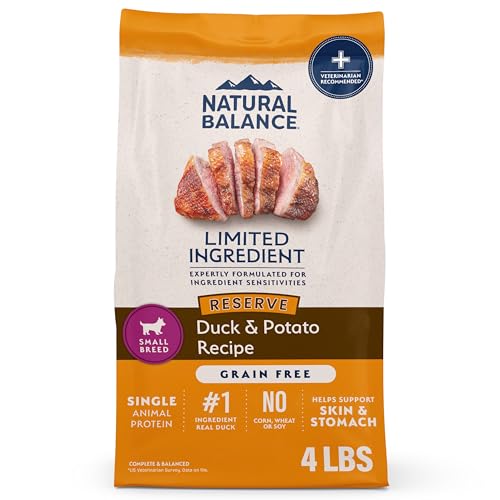
Best Value: Natural Balance L.I.D. Limited Ingredient Diets. Affordable limited ingredient option with green peas and duck or salmon.
Best Grain-Free: Wellness Simple Natural Limited Ingredient Food. Grain-free formula with single protein (salmon or lamb).
Our top 3 picks for Bulldogs with skin allergies are: 1. Hill’s Prescription Diet d/d Skin/Food Sensitivities, 2. Royal Canin Veterinary Diet Hydrolyzed Protein HP, and 3. Blue Buffalo Basics Limited Ingredient Diet. These foods are formulated to minimize allergic reactions and support skin health.
What to consider for a Bulldog
Bulldogs are prone to skin allergies due to their sensitive skin and genetic predisposition. When selecting a food, look for novel or hydrolyzed protein sources to avoid common allergens like chicken or beef. Omega-3 and omega-6 fatty acids are crucial for reducing inflammation and improving skin barrier function. Avoid artificial additives, fillers, and grains that may trigger sensitivities. Always consult your vet before switching diets, especially for severe allergies.
How we picked
We analyzed ingredient lists, nutritional profiles, and veterinary recommendations. We prioritized foods with limited ingredients, single protein sources, and added fatty acids. We also considered palatability for Bulldogs and value for the price. Our selections are based on current market offerings and expert opinions.
Bulldogs with skin allergies often respond best to a novel or hydrolyzed protein diet with added omega fatty acids. Consistency and patience are key, as dietary changes can take weeks to show results.
The Options
Types Explained
Hydrolyzed Protein Diets
Proteins are broken down into small molecules to prevent immune reaction. Ideal for severe allergies.
Best for: Bulldogs with multiple food sensitivities or severe allergic reactions.
Limited Ingredient Diets
Contain a single protein and minimal carbohydrate sources. Reduce exposure to potential allergens.
Best for: Bulldogs with mild to moderate allergies or those needing a simple diet.
Novel Protein Diets
Use uncommon protein sources like duck, venison, or kangaroo to avoid common allergens.
Best for: Bulldogs allergic to chicken, beef, or lamb.
Grain-Free Diets
Exclude grains like wheat, corn, and soy. Often include alternative carbs like sweet potatoes or peas.
Best for: Bulldogs with grain sensitivities or those who thrive on grain-free formulas.
Features a single novel protein (duck or venison) and highly digestible carbohydrates to minimize allergic reactions. Enriched with omega-6 fatty acids and vitamin E for skin health.
Single animal protein (salmon, turkey, or duck) and limited carbs. Contains LifeSource Bits with antioxidants. Free from chicken, beef, corn, wheat, and soy.
Choose novel proteins like duck, venison, or salmon, or hydrolyzed proteins to avoid common allergens.
02
Fatty Acid Content
Look for high levels of omega-3 and omega-6 fatty acids to reduce inflammation and support skin health.
03
Limited Ingredients
Foods with fewer ingredients reduce the risk of triggering allergies. Aim for a single protein and limited carbohydrate sources.
04
Grain-Free vs. Whole Grains
Some Bulldogs do well with grain-free diets, but whole grains like brown rice can be beneficial if not allergic. Monitor your dog's response.
05
Veterinary Approval
Always consult your veterinarian before switching to a prescription or limited ingredient diet, especially for severe allergies.
Living With It
Care, Cost and Maintenance
Transition Slowly
Introduce new food over 7 to 10 days by mixing increasing amounts with the old food to avoid digestive upset.
Monitor Skin Changes
Watch for reduced itching, redness, or ear infections. Improvement may take 2 to 4 weeks. Keep a journal.
Avoid Treats and Table Scraps
Stick to the prescribed diet and use hypoallergenic treats. Even small amounts of allergens can trigger reactions.
Pro tip
Always check the ingredient list for hidden allergens like chicken fat or beef broth. Even small amounts can trigger reactions in sensitive Bulldogs.
Frequently asked questions
Can Bulldogs be allergic to grain?
Yes, but grain allergies are less common than protein allergies. However, some Bulldogs benefit from grain-free diets.
How long does it take for a new diet to help skin allergies?
Most dogs show improvement within 2 to 4 weeks, but it can take up to 8 weeks for full effect.
What are common signs of food allergies in Bulldogs?
Itching, red skin, ear infections, hot spots, and gastrointestinal issues like diarrhea or vomiting.
Should I choose dry or wet food for my allergic Bulldog?
Both can work. Dry food is convenient and helps dental health, while wet food has higher moisture content. Choose based on your dog's preference.
Can I give my Bulldog supplements for skin health?
Omega-3 supplements like fish oil can help, but consult your vet first. Some prescription diets already contain optimal levels.
Is homemade food better for Bulldogs with allergies?
Homemade diets can be beneficial but require careful formulation to ensure nutritional balance. Work with a veterinary nutritionist.
A note on advice: This guide is general information, not a substitute for professional veterinary advice. Talk to your vet before changing your dog's diet or care routine, especially if your dog has allergies, kidney disease, pancreatitis, obesity, heart disease or any other medical condition.
Transparency
How we made this guide
How we chose. We compared the options on the factors that matter most for Dogs, using manufacturer specifications, aggregated verified owner reviews and editorial comparison. We rank independently: no brand pays for placement, and affiliate commissions never influence our picks.
How it was written. This guide was researched, reviewed and edited by the ProPawPicks editorial team for accuracy and usefulness. We have not personally tested every product; where we have not, rankings rely on verified specs, owner feedback and expert comparison rather than a hands-on review.
Affiliate disclosure. ProPawPicks is reader-supported. If you buy through links on our site, we may earn a commission at no extra cost to you. See our affiliate disclosure.
Some links below are affiliate links. If you buy through them we may earn a small commission at no extra cost to you. Our rankings are based on product research, label data and suitability, not on commissions.