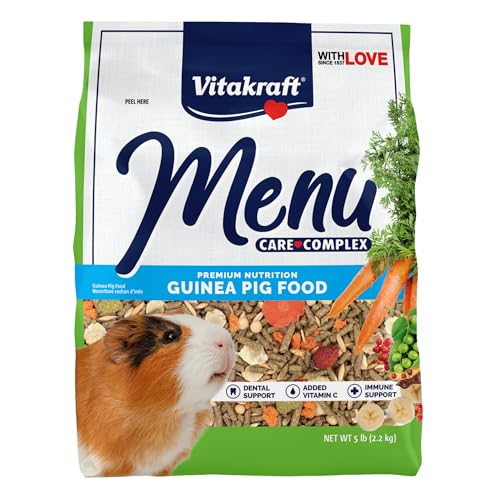
Quick answer
The best food for a degu is unlimited grass hay, such as timothy or orchard hay, paired with a small daily portion of a plain, high-fiber, low-sugar pellet made for degus or chinchillas. Our top pick is the Supreme Petfoods Science Selective Degu pellet, which is formulated for degus with 19 percent fiber and no added sugar or molasses. Serve about one to two tablespoons of pellet per degu per day and keep hay available at all times.
Why low sugar matters for degus
Degus are unusual among small pets because they cannot process sugar the way most animals do. In the wild they eat dry grasses and tough plants, so their bodies never adapted to sweet food. Feeding sugar puts them at very high risk of diabetes, which in degus often leads to cataracts and early blindness. Because this is a serious health issue, a vet who treats exotics will tell you to keep sugar and fat as close to zero as possible. That means the whole diet must be built around fiber, not flavor.
What to look for
Choose a pellet with at least 18 percent fiber, low fat around 3 percent, and no added sugar, molasses, dried fruit, seeds, or nuts. Uniform pellets are better than loose mixes because a degu cannot pick out the sweet or fatty bits and leave the healthy parts behind. Moderate calcium, roughly 0.5 to 1 percent, helps lower the risk of bladder stones. Timothy hay based formulas are ideal, and many keepers safely use plain chinchilla or guinea pig pellets when a degu-specific brand is hard to find. Read the guaranteed analysis and the first few ingredients closely, because a food that looks plain on the front of the bag can still hide sweeteners further down the list.
How we chose
We focused on ingredient lists and guaranteed analysis rather than marketing claims. Every pick here is high in fiber, free of added sugar, and either made for degus or built on a timothy hay base that suits them. We favored extruded pellets that stop selective feeding, checked calcium levels, and ruled out any product with fruit, seeds, or molasses. We also looked at availability and price so you have safe options at different budgets.
What to avoid
Skip all fruit, dried fruit, carrots, and sweet vegetables, along with anything containing molasses, honey, or added sugar. Avoid seed and nut mixes and the colorful yogurt drops or sweet forage bars often sold as degu treats, since these are exactly the foods that trigger diabetes. Alfalfa hay is too high in calcium and protein for adults. When in doubt, keep it simple with hay, a plain pellet, and small amounts of safe greens. If your degu seems to prefer a sweeter product, treat that as a warning rather than a preference to indulge, and switch back to the plain diet that keeps them healthy for the long term.