Quick answer
Feed a skinny pig the same core diet as any guinea pig, only more of it. Give unlimited timothy grass hay, a measured daily portion of vitamin C fortified guinea pig pellets such as Oxbow Essentials Adult Guinea Pig or Small Pet Select, and about a cup of fresh vitamin C rich vegetables every day. Because skinny pigs are hairless, they burn extra energy staying warm, so they usually eat more than a furry guinea pig and need constant access to hay and food to hold their weight. Keep the cage warm and draught free so those calories go toward the pig, not the room.
Why skinny pigs need more food and vitamin C
Skinny pigs have little or no fur, so they lose body heat fast and run a higher metabolism. That means more calories and reliable, round the clock access to hay and fresh food, plus a warm draught free cage. Like all guinea pigs, they cannot make their own vitamin C and must get it from diet every single day. Too little vitamin C leads to scurvy, so their food must supply it and you should add fresh vitamin C veg on top.
What to look for
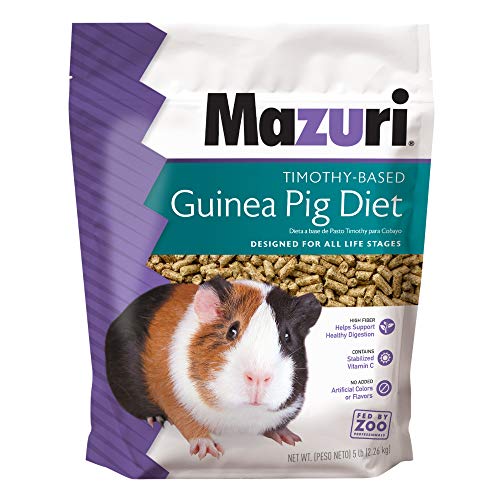
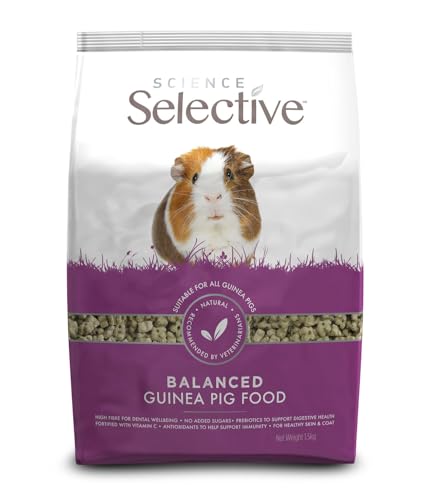
Pick a plain timothy hay based pellet made for guinea pigs and fortified with stabilized vitamin C, such as Oxbow Essentials Adult Guinea Pig, Kaytee Forti-Diet Pro Health or Small Pet Select. Never use rabbit food or generic rodent mixes, which contain no vitamin C. Choose uniform pellets over muesli style mixes so your pig cannot pick out the sugary bits and skip the fortified pellet. Pair the pellets with unlimited timothy or orchard grass hay as the bulk of the diet, and buy hay and pellets in sizes you will use within a few months so the vitamin C stays fresh.
How we chose
We compared widely sold guinea pig foods on vitamin C fortification, first ingredient, fiber level and whether the recipe suits hairless pigs that need steady calories. We favored timothy based, uniform pellets from established brands like Oxbow, Kaytee, Small Pet Select, Mazuri and Science Selective, all with clear labels and honest ingredient lists. We left out rabbit and generic rodent foods, colorful muesli mixes and anything relying on unstable water added vitamin drops. We did not run lab feeding-data reviews, so treat this as buying guidance and check portions with your own exotic vet.
What to avoid
Skip rabbit and hamster food, seed and nut mixes, and any pellet with added sugar, artificial dye or seeds and dried fruit baked in. Do not rely on vitamin C drops in the water bottle, since the vitamin breaks down within hours and pigs may drink less. Go easy on sugary fruit treats. For adults, avoid alfalfa based pellets, which carry too much calcium and can feed bladder stones. When in doubt about weight or diet, ask your exotic vet.