Quick answer
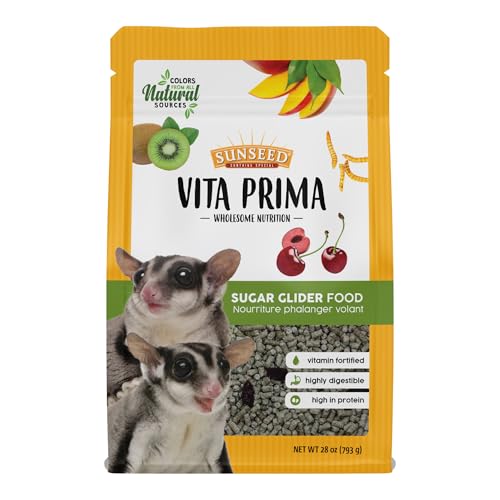
The best food for sugar gliders is not a single product but a balanced plan. Vets and experienced keepers build the diet around a proven staple such as HPW (High Protein Wombaroo) or a BML (Bourbon’s Modified Leadbeater’s) mix, then add gut-loaded insects, a small amount of safe fruit and vegetables, and a calcium supplement. Commercial glider pellets can help, but they work best as a supplement rather than the whole diet.
Why a balanced glider diet matters
Sugar gliders are exotic omnivores with specialised needs, and a poor diet is one of the leading causes of illness in captivity. The single most important detail is the calcium to phosphorus ratio. A fruit-heavy or seed and pellet only diet is usually too low in calcium, which can trigger metabolic bone disease, a common and serious condition that causes weak bones, hind leg weakness and pain. In the wild these animals eat sap, nectar, pollen and insects, so their captive diet has to be rebuilt deliberately. Following an established plan is the simplest way to protect against these gaps and keep a glider healthy for its full lifespan.
What to look for
Choose a staple that anchors the plan, either an HPW or Wombaroo base or a BML recipe you prepare at home, and let it make up the largest share of daily food. Add protein from gut-loaded crickets and mealworms fed in moderation, plus a reliable calcium supplement dusted onto insects. Keep fruit and vegetables to small daily portions for variety and micronutrients rather than treating them as the main course. Look for low sugar, no artificial colours and a clear calcium to phosphorus ratio near 1.5:1 to 2:1. Consistency matters too, since gliders can become fussy and refuse a diet that changes too often.
How we chose
We prioritised products that fit an established diet plan rather than promising to be a complete meal on their own. We favoured staple bases and supplements used by breeders and exotics vets, checked calcium and phosphorus balance, and flagged where a pick should be paired with insects or a supplement. We also read labels for added sugars, artificial colours and preservatives, and gave weight to foods that are easy to store and portion for a small animal. Any pelleted food is framed as a supplement, never the entire diet, so the overall plan stays balanced.
What to avoid
Avoid feeding a pellet only or seed only diet, which commonly leads to calcium deficiency. Skip cat and dog food, chocolate, caffeine, avocado, onion and garlic, and anything containing xylitol. Do not rely on fruit as the main food, and limit high-oxalate greens like spinach that block calcium absorption. Because diet mistakes are hard to reverse, follow a proven plan and see an exotics vet if you notice weight loss, tremors, hind leg weakness or reluctance to climb. Early changes are far easier to correct than advanced metabolic bone disease.