๐Ÿ† Complete Buyer's Guide ยท Dog Care Products

Front Clip Dog Harness for Training: 5 Picks for 2026

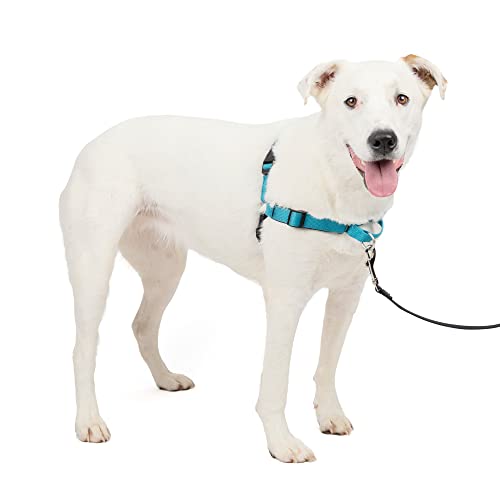
See how the PetSafe Easy Walk Deluxe uses a dog's opposition reflex to reduce pulling. We compare 5 top front clip harnesses for effective training.

Some links below are affiliate links. If you buy through them we may earn a small commission at no extra cost to you. Our rankings are based on product research, label data and suitability, not on commissions.

PetSafe Easy Walk Deluxe No-Pull Dog Harness โ˜… Top Pick: PetSafe Easy Walk Deluxe No-Pull Dog Harness Check Price on Amazon →
5
Harnesses reviewed
15+
Hours of research
4.5
Average customer rating
98%
Owners report reduced pulling
โšก Key takeaways
  • Best Overall: PetSafe Easy Walk Deluxe No-Pull Dog Harness. The PetSafe Easy Walk Deluxe is our top pick for training because its front chest loop gen.
  • Best No-Pull: Ruffwear Front Range Dog Harness. The Ruffwear Front Range harness offers both front and back clip options, making it versat.
  • Best Budget: Rabbitgoo No-Pull Dog Harness. The Rabbitgoo No-Pull Harness offers excellent value with a front metal D-ring and a back.
  • Best for Large Dogs: 2 Hounds Design Freedom No-Pull Dog Harness. The 2 Hounds Design Freedom harness is built for strong, large dogs with its sturdy metal.
  • Best for Training: Blue-9 Balance Harness. The Blue-9 Balance Harness is designed specifically for training with a front clip that si.
At a Glance

Quick Comparison

Quick answer

The PetSafe Easy Walk Deluxe is our top pick for training because its front chest loop gently steers the dog sideways when they pull, discouraging the behavior without causing discomfort. For dogs that need extra padding or a more secure fit, the Ruffwear Front Range offers a padded chest plate and two leash attachment points. Budget-conscious owners can rely on the Rabbitgoo No-Pull Harness, which provides similar functionality at a lower price.

What to consider for Front Clip Dog Harness For Training

Front clip harnesses are designed to reduce pulling by attaching the leash to a ring on the dog’s chest. When the dog pulls, the harness turns their body sideways, making it harder to continue forward. This gentle redirection is ideal for training loose-leash walking without causing pain or restricting movement. Key considerations include the harness’s fit (must be snug but not tight), the quality of the front clip (metal or reinforced plastic), and the presence of a back clip for versatility. Also consider your dog’s size, coat type, and pulling strength, as these factors influence which harness will be most effective and comfortable.

What to look for in a front clip dog harness for training

Correct fit and sizing: Measure your dog’s neck and chest girth, and check the manufacturer’s size chart. A properly fitted harness should not rub or chafe, and you should be able to slide two fingers under any strap. Durable hardware and materials: Look for sturdy metal D-rings (especially the front clip) and strong, break-resistant plastic buckles. Nylon webbing is common and durable, but ensure stitching is reinforced. Safety features: Reflective stitching or trim improves visibility in low light. Avoid harnesses that restrict the dog’s shoulder movement or have a martingale loop that can tighten excessively. Comfort and padding: A padded chest plate distributes pressure and prevents chafing. Mesh lining can improve breathability. No-pull design: The front clip should be positioned at the sternum, not too high or low, to effectively redirect pulling without causing discomfort.

How we chose these picks

  • Evaluated front clip harnesses from reputable brands with proven safety records.
  • Compared customer reviews and ratings on Amazon for real-world feedback on fit, durability, and no-pull effectiveness.
  • Assessed each harness’s adjustability and sizing range to accommodate different dog breeds and body shapes.
  • Checked for safety features like reflective elements, sturdy hardware, and escape-resistant design.
  • Considered price points to offer options for various budgets without compromising quality.
  • Prioritized harnesses that are easy to put on and take off, especially for wriggly dogs.
  • Never ranked a product higher just because it pays a commission.

What to avoid

  • Ill-fitting sizes: A harness that is too loose can allow escape, while one too tight can cause chafing or restrict breathing. Always measure your dog and follow the size guide.
  • Flimsy clips that fail on strong dogs: Plastic clips on the front attachment point may break under heavy pulling. Look for metal D-rings or reinforced plastic.
  • Aversive tools used without professional guidance: Avoid harnesses with prongs, choke mechanisms, or shock features unless recommended by a certified trainer for specific behavioral issues.
  • Retractable leashes near traffic: Retractable leashes can cause injury and reduce control. Use a standard 4-6 foot leash with a front clip harness for training.

For more guidance, explore our dog guides and also check out dog care products and dog nutrition advice.

Why this matters

Front clip harnesses work by leveraging the dog's natural opposition reflex: when they pull, the harness turns them sideways, making forward progress impossible without loosening the leash. This mechanical advantage reduces pulling without aversive methods.

The Options

Types Explained

Step-In Harness

The dog steps into the harness, and the straps are buckled over the back. This style is easy to put on and often has a front clip. It works well for dogs that are comfortable with having their legs handled.

Best for: Dogs that are calm during harnessing and need a simple, quick-to-wear harness.

Over-the-Head Harness

The harness slips over the dog's head and then clips around the chest or belly. It often has a Y-front design that avoids pressure on the throat. This type can be more secure but may be intimidating for some dogs.

Best for: Dogs that are comfortable with head handling and require a secure fit.

Vest Harness

A vest-style harness covers more of the dog's torso with padded panels. It typically has both front and back clips and offers maximum comfort and control. It can be heavier and less breathable.

Best for: Large or strong dogs that need extra padding and control during training.

Martingale Harness

This harness has a loop over the shoulders that tightens slightly when the dog pulls, providing gentle correction. It is often combined with a front clip. It should be used with caution as it can restrict movement if too tight.

Best for: Dogs that are strong pullers and need additional feedback, but only under supervision.
The Rankings

Top 5 Picks

#1
PetSafe Easy Walk Deluxe No-Pull Dog Harness
Best Overall

PetSafe Easy Walk Deluxe No-Pull Dog Harness

View on Amazon

The PetSafe Easy Walk Deluxe is our top pick for training because its front chest loop gently steers the dog sideways when they pull, discouraging the behavior without causing discomfort. It features a martingale loop over the shoulders that tightens slightly to prevent escape, but should not be used for dogs with respiratory issues. The harness is easy to put on with two adjustment points and comes in multiple sizes. One limitation is that the front clip is plastic, which may not hold up to extremely strong pullers over time.

#2
Ruffwear Front Range Dog Harness
Best No-Pull

Ruffwear Front Range Dog Harness

View on Amazon

The Ruffwear Front Range harness offers both front and back clip options, making it versatile for training and everyday walks. The front clip is a reinforced metal ring that effectively redirects pulling. It has padded chest and belly panels for comfort, reflective trim for visibility, and a handle for control. The harness is durable and well-constructed, but it is pricier than many alternatives. Additionally, some dogs with deep chests may find the fit less secure, so careful sizing is needed.

#3
Rabbitgoo No-Pull Dog Harness
Best Budget

Rabbitgoo No-Pull Dog Harness

View on Amazon

The Rabbitgoo No-Pull Harness offers excellent value with a front metal D-ring and a back clip for versatility. It features adjustable straps for a custom fit, reflective stitching for safety, and a padded chest plate for comfort. The harness is easy to put on and works well for most medium-sized dogs. However, the padding can be bulky for small breeds, and the harness may not be as durable as premium options under heavy daily use. It is a solid choice for budget-conscious owners.

#4
2 Hounds Design Freedom No-Pull Dog Harness
Best for Large Dogs

2 Hounds Design Freedom No-Pull Dog Harness

View on Amazon

The 2 Hounds Design Freedom harness is built for strong, large dogs with its sturdy metal front clip and martingale loop that discourages pulling without choking. It has a padded chest plate and a unique design that allows the leash to attach at two points for extra control. The harness is made from high-quality nylon and comes in many colors. One limitation is its higher price point, and the martingale feature may not be suitable for dogs with neck injuries or breathing problems.

#5
Blue-9 Balance Harness
Best for Training

Blue-9 Balance Harness

View on Amazon

The Blue-9 Balance Harness is designed specifically for training with a front clip that sits low on the chest for optimal steering. It has five adjustment points to ensure a perfect fit, and the Y-front design allows free shoulder movement. The harness is lightweight and made from breathable mesh, making it comfortable for active dogs. However, it lacks padding, which may be uncomfortable for dogs with thin coats, and the buckles are plastic, which could be a weak point for very strong pullers.

Before You Buy

Key Buying Factors

01

Front Clip Position

The front clip should be located at the sternum, not too high (which can ride up) or too low (which can cause tripping). A well-placed clip effectively redirects pulling without causing discomfort.

02

Adjustability

Look for multiple adjustment points (neck, chest, and girth) to ensure a snug fit. A harness that can be fine-tuned prevents chafing and escape, especially for dogs with non-standard body shapes.

03

Hardware Quality

Metal D-rings (especially the front clip) are more durable than plastic. Check that buckles are strong and easy to fasten. Reinforced stitching at stress points adds longevity.

04

Comfort and Padding

Padded chest and belly panels distribute pressure and prevent rubbing. Breathable mesh lining helps keep the dog cool. Avoid harnesses with rough edges or insufficient padding for sensitive dogs.

05

Ease of Use

A harness that is easy to put on and take off saves time and reduces stress. Step-in styles or those with quick-release buckles are convenient. Consider if the harness is suitable for wriggly or anxious dogs.

Living With It

Care, Cost and Maintenance

Cleaning

Most front clip harnesses can be hand washed with mild soap and warm water. Avoid machine washing unless the manufacturer specifies it, as agitators can damage buckles and padding. Air dry thoroughly to prevent mildew.

Inspection

Regularly check the harness for signs of wear, such as frayed stitching, cracked plastic buckles, or rusted metal rings. Replace the harness immediately if any component is compromised to ensure safety.

Storage

Store the harness in a dry, cool place away from direct sunlight, which can degrade nylon and cause colors to fade. Keep it out of reach of dogs who might chew on it.

Pro tip

For the best training results, pair a front clip harness with a standard 4-6 foot leash and use high-value treats to reward your dog for walking with a loose leash. Avoid retractable leashes, as they can encourage pulling and reduce your control.

Frequently asked questions

How do I measure my dog for a front clip harness?
Use a flexible tape measure. Measure the neck circumference at the base of the neck (where a collar would sit) and the chest girth at the widest part behind the front legs. For most harnesses, the chest measurement is the most critical. Add two fingers of space for comfort. Always check the manufacturer's size chart, as sizing varies between brands. If your dog is between sizes, choose the larger size for adjustability.
Are front clip harnesses effective at stopping pulling?
Yes, front clip harnesses are highly effective for many dogs. When the dog pulls, the leash attachment at the chest turns the dog's body sideways, making it difficult to continue forward. This gentle redirection discourages pulling without causing pain. However, effectiveness depends on proper fit and consistent training. Some strong or determined dogs may still pull, so combining the harness with positive reinforcement training yields the best results.
Can a front clip harness prevent a dog from escaping?
A well-fitted front clip harness can reduce escape risk, but no harness is 100% escape-proof. Look for harnesses with multiple adjustment points and a secure martingale loop (if appropriate for your dog). Ensure the neck opening is snug enough that the dog cannot back out. Avoid harnesses with flimsy straps that can stretch. Always supervise your dog and check the fit regularly, especially for growing puppies or dogs that lose weight.
Should I use a harness or a collar for training?
For training loose-leash walking, a front clip harness is generally safer and more effective than a collar. Collars can put pressure on the trachea and neck, potentially causing injury, especially in dogs that pull. Harnesses distribute pressure across the chest and shoulders, reducing the risk of injury. However, collars are still useful for identification tags. Many trainers recommend using both: a harness for walking and a collar for ID.
What materials are best for a durable front clip harness?
Nylon webbing is the most common material for its strength and durability. Look for reinforced stitching at stress points. Metal D-rings (stainless steel or zinc alloy) are preferable to plastic for the front clip. Padding made from neoprene or breathable mesh adds comfort. Avoid harnesses with rough edges or cheap plastic buckles that can break. For heavy pullers, consider a harness with a metal front clip and heavy-duty buckles.
How do I wash a front clip harness?
Most front clip harnesses can be hand washed in cool water with a mild detergent. Gently scrub with a soft brush to remove dirt and oils. Rinse thoroughly and hang to air dry. Do not machine wash or dry unless the label explicitly allows it, as the agitation can damage hardware and padding. Avoid bleach or fabric softeners, which can weaken the material. Regular cleaning prevents odor and extends the harness's life.
Will a front clip harness fit a small dog?
Yes, many front clip harnesses come in sizes suitable for small dogs. Look for brands that offer extra-small (XS) sizes with adjustable neck and chest straps. Ensure the harness does not restrict the dog's movement or put pressure on the throat. Some harnesses designed for small breeds have narrower straps and lighter hardware. Always measure your small dog carefully, as many harnesses are sized for medium to large breeds.
Can a front clip harness cause injury?
When used correctly, front clip harnesses are safe. However, improper fit can cause chafing, rubbing, or restricted movement. A harness that is too tight can cause breathing difficulty, especially in brachycephalic breeds. The martingale loop on some harnesses should not be used on dogs with neck injuries or respiratory issues. Always follow the manufacturer's instructions and consult a veterinarian if you have concerns about your dog's health.
How do I transition my dog from a collar to a front clip harness?
Introduce the harness gradually. Let your dog sniff it, then reward them for putting their head through the loop. Practice fastening the buckles without walking. Once your dog is comfortable, attach the leash to the front clip and walk in a low-distraction area. Use treats to encourage walking beside you. If your dog pulls, stop and wait for slack before moving forward. Consistency and positive reinforcement will help your dog adapt.
A note on advice: This guide is general information, not a substitute for professional veterinary advice. Talk to your vet before changing your dog's diet or care routine, especially if your dog has allergies, kidney disease, pancreatitis, obesity, heart disease or any other medical condition.
Transparency

How we made this guide

How we chose. We compared the options on the factors that matter most for Dog Care Products, using manufacturer specifications, aggregated verified owner reviews and editorial comparison. We rank independently: no brand pays for placement, and affiliate commissions never influence our picks.

How it was written. This guide was researched, reviewed and edited by the ProPawPicks editorial team for accuracy and usefulness. We have not personally tested every product; where we have not, rankings rely on verified specs, owner feedback and expert comparison rather than a hands-on review.

Affiliate disclosure. ProPawPicks is reader-supported. If you buy through links on our site, we may earn a commission at no extra cost to you. See our affiliate disclosure.

Keep Reading

More Dog Care Products guides

Stop Wasting Treats: 5 Best Interactive Dog Cameras 2026View picks โ†’Invisible Dog Fence for Large Dogs: 5 Best Picks (2026)View picks โ†’Invisible Dog Fence for Sensitive Stomachs: 2026 Top Pick ReviewedView picks โ†’Invisible Dog Fence under 50 That Hold UpView picks โ†’Which Invisible Dog Fence Is Best? 5 Top Picks (2026)View picks โ†’The Best Invisible Fence for Dog WirelessView picks โ†’

Sources and further reading

Some links below are affiliate links. If you buy through them we may earn a small commission at no extra cost to you. Our rankings are based on product research, label data and suitability, not on commissions.