Quick answer
A chinchilla does not really need a grooming brush. Its fur is the densest of any land mammal, and a chinchilla cleans itself by rolling in a dust bath, not by brushing and never by getting wet. The single most important grooming tool is chinchilla dust, offered in a dust house a few times a week for about 10 to 15 minutes, then removed. A soft brush or a wide tooth comb is optional and only helps you gently check the coat or ease a shed patch during a heavy moult. Never bathe a chinchilla in water. Keep quality chinchilla dust, a sturdy dust house, and one gentle comb on hand, and your chinchilla will stay clean and healthy.
Do chinchillas need brushing?
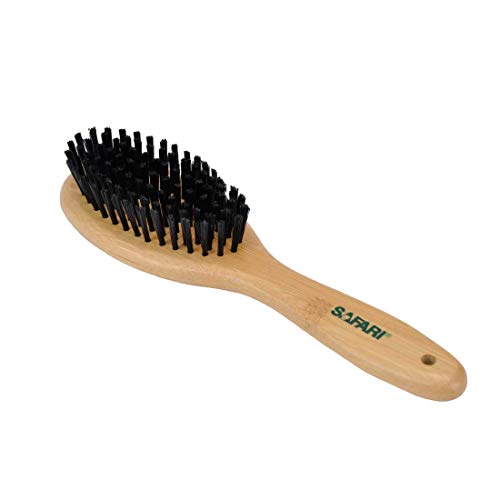
In most homes, no. Chinchilla fur is so thick, with 50 or more hairs growing from each follicle, that a dust bath does the real cleaning by absorbing oil and moisture from the coat. Brushing a healthy chinchilla is usually unnecessary and can pull or damage the delicate fur if done too often or too firmly. Some owners keep a wide tooth comb to gently loosen a mat, lift a shedding patch during a seasonal moult, or part the fur to check the skin. That is the honest role of any chinchilla brush or comb: an occasional, secondary tool. The dust bath comes first, every time.
What to look for
If you do buy a comb or soft brush, choose one with rounded, widely spaced teeth or very soft bristles so it glides without tugging the dense coat or scratching the thin skin. A small size and a light touch matter more than any feature. For the essentials, look for pure chinchilla dust rather than sand, a chew resistant dust house or deep bath that contains the mess, and enough room for a full roll. Unscented, dust specific products protect a chinchilla’s sensitive eyes and airways.
How we chose
We prioritized safety and real chinchilla behavior over marketing. Grooming tools had to be gentle enough for fragile fur, with no sharp wire or rough seams. We favored dust and dust houses that owners restock again and again, and combs light enough for occasional, careful use. We gave weight to products that respect the one rule every chinchilla keeper learns fast: these animals clean themselves with dust, so the dust bath is the centerpiece and any brush is only a helper.
What to avoid
Never bathe a chinchilla in water. Their dense fur traps moisture, does not dry properly, and can lead to fungal skin infections and dangerous chilling. Avoid dog and cat slicker brushes with stiff wire, which tear chinchilla skin, and skip regular hard brushing that can cause fur slip, where clumps of fur release from stress or rough handling. Do not use play sand or building sand in place of chinchilla dust, since coarse grit scratches eyes and skin. If you see bald patches, flaking, redness, or fur that pulls out easily, stop grooming and see an exotics vet, as these can signal a fungal infection or another skin problem.