Quick Answer: Best Grooming Brush for a Guinea Pig
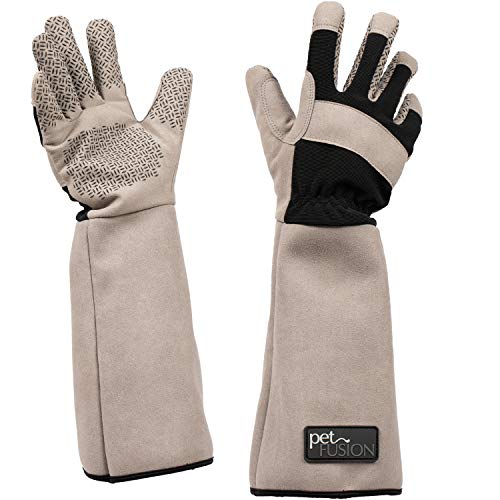
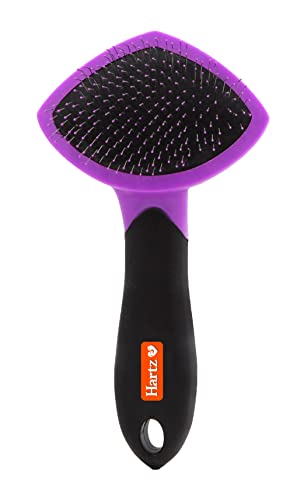
For most short-haired guinea pigs, a small, soft slicker brush or a rubber grooming glove is all you need, and you only need it occasionally. Guinea pig skin is thin and delicate, so the goal is gentle loose-hair removal, not deep brushing. If you own a long-haired breed like a Peruvian, Silkie, or Texel, step up to regular brushing with a soft slicker plus a fine or wide-tooth comb to keep tangles and mats from forming. Whatever tool you pick, the golden rule is light pressure and short, calm sessions.
Why the Right Brush Matters for Guinea Pigs
A guinea pig is not a small dog, and a stiff, sharp-tipped brush that suits a terrier can scratch or bruise a cavy in seconds. Their skin sits close to the surface and reacts quickly to pressure, so the wrong tool turns grooming into a stressful, sometimes painful experience. The right brush removes shed hair and debris while letting you run your hands over the body to feel for lumps, scabs, or thinning fur. That regular contact is one of the earliest ways owners catch skin problems before they spread.
What to Look For in a Guinea Pig Brush
Prioritize soft, rounded, or coated tips over hard plastic spikes, and choose a small head that maneuvers around a compact body and reaches the legs and belly. For long-haired breeds, pair a soft slicker with a fine-tooth comb so you can detangle from the hair ends inward without pulling at the roots. A brush that releases collected fur easily makes cleanup simpler and keeps you from re-depositing loose hair. Match the tool to your pig’s coat length rather than buying the most aggressive brush on the shelf.
How We Chose These Picks
We focused on small-animal-safe designs with gentle bristles, manageable head sizes, and good handling for nervous pets, drawing on manufacturer specifications and common guidance from guinea pig owners and rescues. We did not run lab tests or claim to have brushed dozens of pigs ourselves. Instead, we favored proven, widely available tools that prioritize gentleness and control, since a delicate cavy needs a light touch more than any single premium feature. Our picks span slicker brushes, grooming gloves, and combs so you can match the tool to your pig’s coat.
What to Avoid
Skip hard-pin brushes, heavy metal slickers meant for thick dog coats, and any tool you feel tempted to press down with. Avoid frequent bathing, which strips the natural oils guinea pigs need and dries out their skin, and never force a session on a pig that is squealing or struggling. Do not ignore signs like intense scratching, hair loss, crusty patches, or flinching when touched, because these can point to mites or lice, which are common in guinea pigs. Grooming helps you spot these issues, but treatment belongs with an exotics or small-animal vet, not a brush.