Quick Answer
Most pet mice do not need a grooming brush at all. Mice are fastidious self-groomers that keep their own coats clean and glossy throughout the day, and a tidy cage with dust-free bedding does most of the remaining work. The one honest exception is an elderly, overweight, injured, or unwell mouse that can no longer reach parts of its body. For those cases, a very soft brush like a clean, soft baby toothbrush or a fine soft-pin brush used with the lightest touch can help lift loose fur. If your mouse grooms itself normally, you can skip the brush entirely and spend that budget on better bedding instead.
Why It Matters
Mice are tiny and fragile, so grooming carries more risk than reward if it is done carelessly. A healthy mouse licks and combs its fur with its paws and teeth many times a day, so brushing a mouse that is already self-cleaning mostly adds stress. What matters far more for coat and skin health is cage hygiene, dust-free substrate, and gentle handling. A sudden coat problem, bald patches, scabs, or a greasy, unkempt look is usually a sign of illness, mites, or overgrooming rather than a missing brush, and it is a reason to see an exotics vet, not to reach for grooming tools.
What to Look For
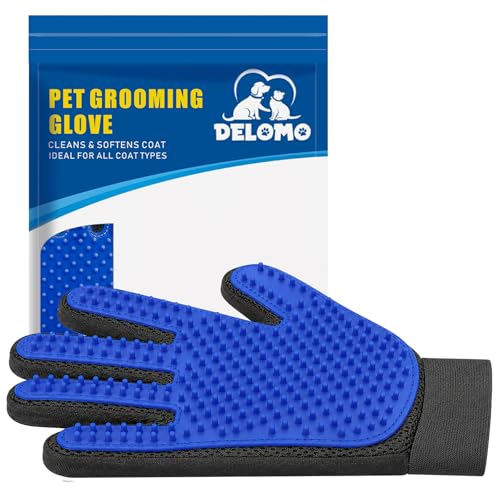
If you do decide to keep a brush on hand for an aging or recovering mouse, softness is everything. Choose the softest bristles you can find, a very small head that suits a body only a few inches long, and non-toxic materials since a mouse may nibble anything you bring near it. Many products sold for mice are really cat or small-dog brushes, so judge them by feel rather than the label and reject anything with stiff wires or sharp tips. A soft-pin slicker or a soft rubber grooming glove is far gentler than a metal deshedding tool. Whatever you use, it should glide with almost no pressure.
How We Chose
We prioritized honesty over selling hardware. Because brushing is optional for most mice, we looked for the gentlest possible options for the small number of owners who genuinely need one, favoring soft pins, soft velvet or rubber tips, and small heads over aggressive metal edges. We flagged deshedding and dematting tools as risky on a mouse’s paper-thin skin unless used with extreme care. Our picks are framed as occasional-use aids for special situations, and we assume a healthy mouse will never touch them.
What to Avoid
Never water-bathe a pet mouse. A wet mouse can become dangerously chilled, stressed, and stripped of the natural oils that protect its coat, and bathing is one of the most common ways owners accidentally harm a small rodent. Avoid stiff human hairbrushes, metal deshedding blades pressed with real force, scented sprays or shampoos, and any daily brushing routine that a self-cleaning mouse plainly does not want. If your mouse looks dirty, greasy, or is losing fur, do not scrub it clean. Improve the cage and dust-free bedding first, then have an exotics vet check for mites or illness.