Quick answer
Most pet rats do not need a grooming brush at all. Rats are fastidious self-groomers, and a healthy young rat keeps its own coat clean and glossy without any help from you. A soft brush earns a place in your kit for one reason: gentle, occasional help for a rat that cannot groom well on its own. Reach for the softest tool you can find, use light pressure, and treat every session as a chance to check the skin rather than a chore your rat needs.
Do rats need brushing?
As a rule, no. Rats spend a large part of their waking hours cleaning themselves and their cage mates, so their coats stay tidy without brushing. Gentle help makes sense in a few cases: an older rat whose joints make grooming hard, a sick or overweight rat that cannot reach its back, or a long-haired or rex rat whose coat mats more easily. Older bucks also build up a waxy orange crust called buck grease along the back and tail. A soft, damp wipe eases it away, but never scrub. Brushing these rats also builds trust and lets you spot problems early, so keep the sessions short, calm, and paired with a treat.
What to look for
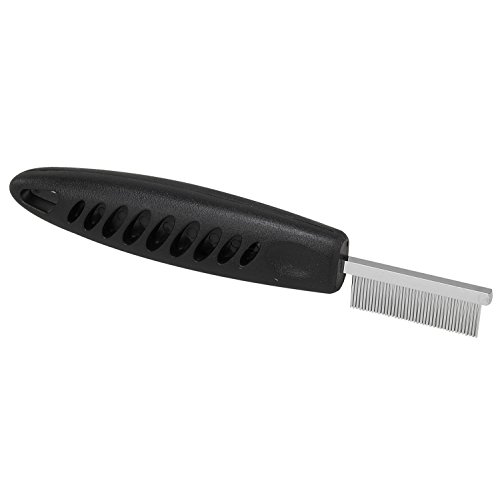
Rat skin is thin and tears easily, so softness comes first. A baby-soft toothbrush, a soft-bristle small-animal brush, or a fragrance-free grooming wipe are the safest tools. Skip stiff slickers, metal pins without coated tips, and anything sized for a dog or cat. As you work, look for scabs, flakes, or thin patches. Scabs around the neck and shoulders and heavy scratching often point to mites or a protein-rich diet, both of which need an exotics vet rather than more brushing. A grooming wipe is handy for spot-cleaning, while a soft comb helps part a long coat so you can see the skin underneath.
How we chose
We prioritized tools that are gentle enough for delicate rat skin: soft or coated bristles, a small head that reaches the face and chin, and a handle that gives you control during short, calm sessions. We favored picks that double as a skin check and left out harsh brushes that risk scratches. Our list spans a soft comb, soft small-animal brushes, and a silicone option for nervous rats, so you can match the tool to your rat’s coat and temperament rather than buying more than you need.
What to avoid
Do not brush a healthy rat daily out of habit; you risk irritating skin that was already clean. Never routinely bathe a rat, since baths strip coat oils and chill them fast. Spot-clean with a damp cloth instead, and save a rare, gentle bath for a truly dirty rat, then dry and warm them right away. Avoid hard human brushes, and if you see ongoing scratching, scabs, or hair loss, book an exotics vet.


