Quick Answer
The best African pygmy hedgehog habitat is a whole setup, not just a cage. You want one large single-level enclosure with a solid floor and at least 4 square feet of space, paired with a reliable thermostat-controlled heat source that holds a steady 72 to 80 F. Round it out with a large solid exercise wheel, a cozy enclosed hide, safe substrate such as fleece liners or paper bedding, a shallow water dish or bottle, a food bowl, and a warm quiet spot in your home. Get the environment right and the enclosure product becomes the easy part.
Why It Matters
African pygmy hedgehogs are solitary, heat-sensitive animals, and their environment does most of the work of keeping them healthy. The single biggest risk is cold. When temperatures drop below the low 70s F, a hedgehog can attempt hibernation, a dangerous state their pet lineage is not equipped to survive and one that can turn fatal quickly. A stable heat source on a thermostat is therefore not optional, it is the core of the habitat. Space, solid flooring, and daily wheel exercise then prevent obesity, foot injuries, and stress. This is general care information, not veterinary advice, so partner with an exotics vet who sees hedgehogs.
What To Look For
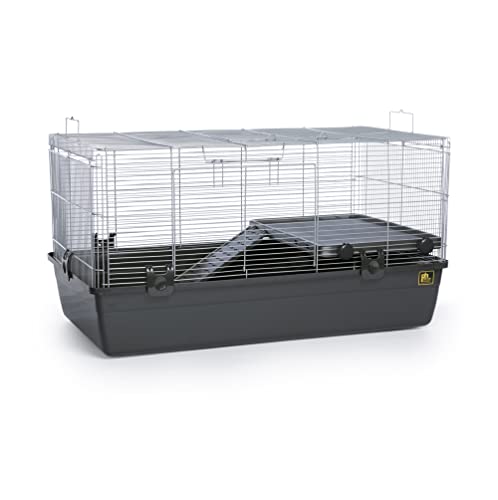
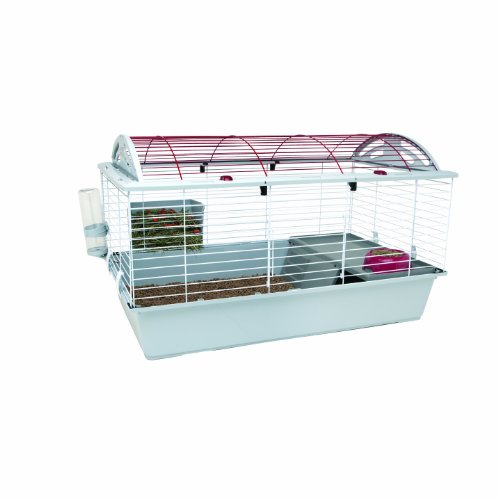
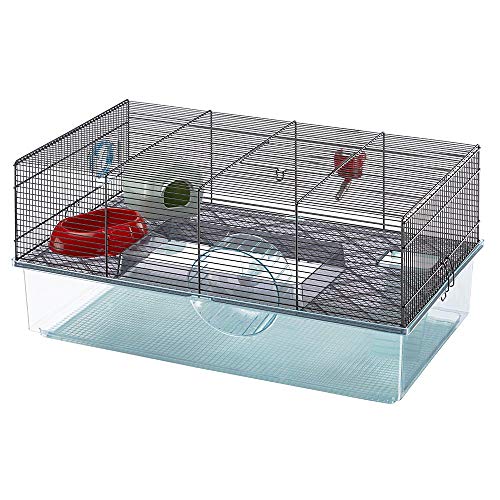
Prioritize a large, single-level footprint with a solid plastic base, since multi-level cages invite falls and wire floors cause foot sores. Bar spacing should be an inch or less. Then layer in the essentials: a ceramic heat emitter or space heater governed by a thermostat, a solid 11 inch or larger wheel with no rungs to catch toes, at least one snug hide, dust-free paper bedding or washable fleece liners, and a tip-proof water source. Good ventilation matters, but never at the cost of losing heat, so place the setup away from drafts and direct sun.
How We Chose
Our picks focus on enclosures that give a hedgehog real floor space and a genuinely solid, safe base, because those are the traits you cannot fix later with accessories. We favored models with deep trays that hold bedding, front or top access for easy cleaning, and footprints of roughly 4 square feet or more. We did not lab-test these products ourselves; instead we compared published specifications against established hedgehog care standards and flagged where included extras, like undersized wheels or climbing ramps, should be removed for safety.
What To Avoid
Skip anything that leaves a hedgehog cold, cramped, or high off the ground. Avoid relying on room temperature alone, heat rocks that can burn, and unheated setups in cool rooms. Steer clear of wire or mesh flooring, small hamster cages, and tall multi-level habitats with ramps a hedgehog can tumble from. Avoid cedar and pine shavings, which can trigger respiratory problems, and wire running wheels that catch toes. Finally, do not tuck the enclosure into a busy, drafty, or sun-blasted corner, hedgehogs need a warm, calm, stable place to feel secure.