The quick answer
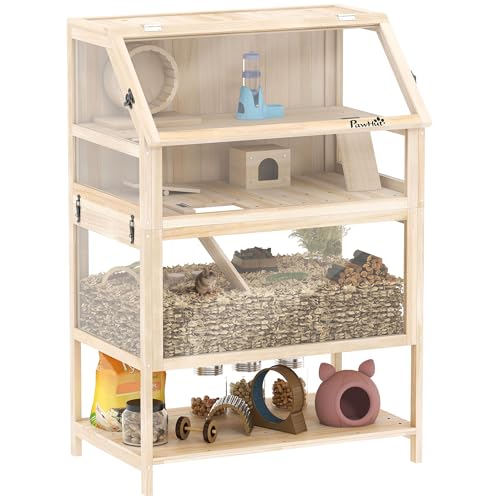
The best habitat for a Chinese hamster is a complete environment, not just a cage you buy and forget. Start with the largest secure enclosure you can fit, ideally around 100×50 cm of uninterrupted floor space, then build the living space inside it. Fill it with 25 to 30 cm of deep burrowing bedding, add a large solid running wheel, provide climbing enrichment because Chinese hamsters are unusually agile, and scatter several hides so your hamster always feels safe. A finished setup, rather than a bare cage, is what keeps these small, shy animals active, calm, and healthy.
Why the whole habitat matters
Chinese hamsters are compact but athletic. In the wild they burrow through soil and scramble over rocks and roots, so an empty enclosure leaves most of their natural behaviour unused. A well planned habitat gives them somewhere to tunnel, run, climb, forage, and hide, which reduces stress and the repetitive bar chewing or pacing that often shows up in under furnished cages. Because Chinese hamsters are usually best housed alone, the habitat also becomes their entire world, so enrichment is not a luxury, it is core welfare. If your hamster seems lethargic, over groomed, or unusually nippy, an exotics vet who sees small mammals can help rule out illness alongside habitat changes.
What to look for in a setup
Prioritise floor space first, then bedding depth, then enrichment. Bar spacing must be 1 cm or less, or narrow mesh over glass, because Chinese hamsters are slim and can squeeze through gaps that would stop a Syrian. Aim for a base deep enough to hold 25 to 30 cm of paper or aspen bedding so real burrows can form and hold their shape. Add a solid surface wheel of at least 20 cm (8 inches) so the spine stays flat, plus cork logs, sturdy branches, and platforms for the climbing they love. Multiple hides, a shallow sand bath for grooming, and chew safe materials round out a habitat that supports the full range of hamster behaviour.
How we chose
We compared enclosures and enrichment on the things that actually affect a Chinese hamster day to day: usable floor area, base depth for burrowing, security and bar spacing, ventilation, and how easily each piece fits a real layout. We leaned on published small mammal welfare guidance and the practical experience of long time keepers rather than any hands on lab testing, and we favoured products that combine space with the deep base these burrowers need. Our picks span a favourite all rounder, a budget option, and enrichment focused choices so you can assemble a setup that suits your space and budget.
What to avoid
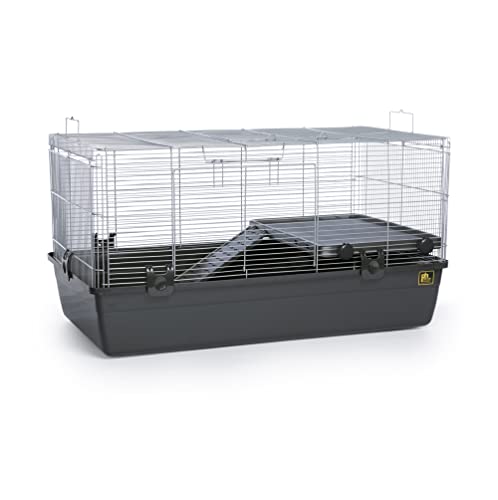
Skip tall, tube heavy cages sold as complete homes, since narrow tubes trap humidity, are hard to clean, and offer little real floor space. Avoid wire or mesh running wheels, cedar and pine shavings, and cramped starter cages under 80×50 cm. Do not try to house two Chinese hamsters together in one habitat, as they are territorial and fighting can be serious. Finally, resist over cleaning: stripping all the bedding at once destroys scent trails and burrows and stresses the animal, so spot clean often and do full changes sparingly.