Quick answer
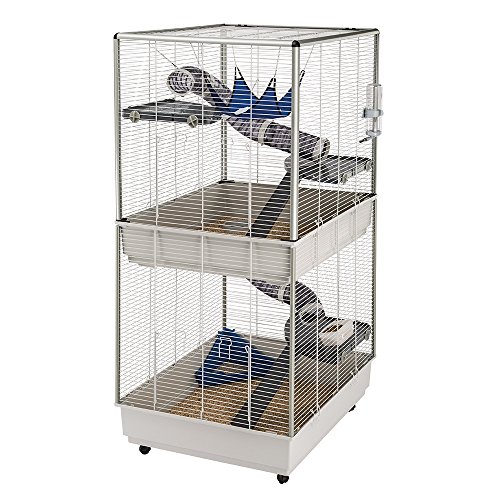
The best habitat for a fancy mouse is a roomy, well ventilated home that is genuinely escape proof. Mice can squeeze through tiny gaps, so the safest routes are a glass tank or a bin cage fitted with a secure, ventilated mesh lid, or a dedicated mouse cage with very narrow bar spacing of about 0.24 in (6 mm) or less. Among wire options, the Kaytee CritterTrail Two Level Habitat (9.5 mm bars), the Ferplast Ferret Tower, and the Living World use tighter spacing than most, while a tank or bin cage removes the bar question entirely.
Why escape-proofing and space matter
Mice are small, curious, and remarkably good at slipping through gaps that look far too narrow. A young or dwarf mouse can pass through spacing near 10 mm, which is why many small animal cages with half inch bars are not truly mouse proof. Space matters just as much: a cramped home leads to boredom and stress. Aim for a large floor footprint rather than tall, empty height, and add deep bedding, hides, and clutter so your mouse can burrow, forage, and explore. Mice are natural climbers too, so a few low branches or ledges add welcome variety. Keep the habitat out of direct sun and away from drafts, both of which stress a small animal quickly, and set it in a calm room rather than a noisy walkway.
What to look for
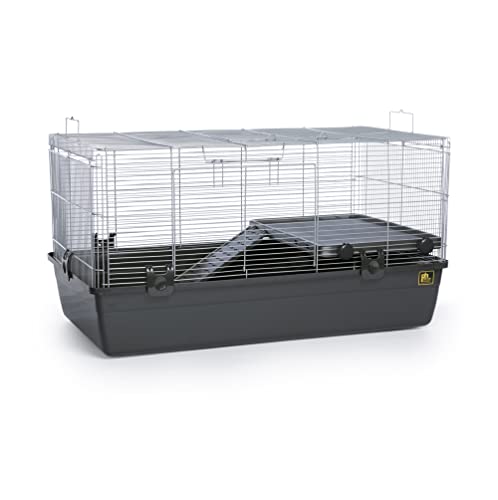
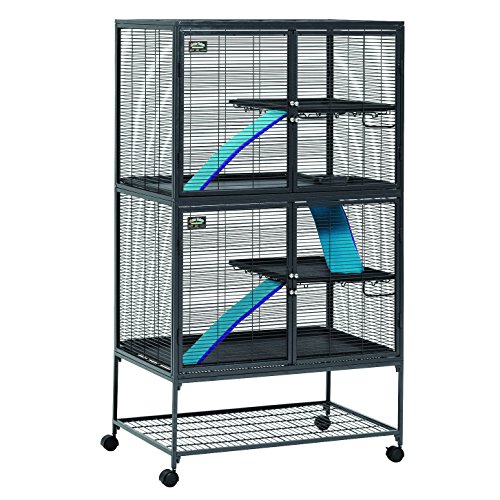
Prioritize a secure, ventilated lid or narrow bars, a deep solid base that holds a few inches of bedding for burrowing, and a correctly sized solid wheel (roughly 4 to 6.5 in) with no rungs that can trap toes. Provide multiple hides, chew items, and low climbing features. Good airflow is essential because male mice in particular can have a stronger smell, so ventilation and easy cleaning keep ammonia down. Cages like the Prevue Universal Small Animal Home and the Critter Nation by MidWest Homes offer large doors that make daily spot cleaning simple.
How we chose
We compared habitats on escape resistance, ventilation, usable floor space, bedding depth, and how easily each one cleans. We favored designs with secure latches, solid bases, and accessories that suit mouse sized paws. We flagged where a model’s bar spacing is borderline so you can decide whether to add a fine mesh liner or choose a glass tank or bin cage instead. We also weighed how each option handles enrichment, since a habitat is only as good as the wheel, hides, and chews you can fit inside it. Nothing here is a substitute for veterinary advice on your individual mice.
What to avoid
Avoid wide bar spacing, wire or mesh wheels that risk bumblefoot, and cedar or pine shavings, which release oils that can irritate a mouse’s airways. Skip sealed tanks with no ventilation, and do not house males together without a carefully managed plan, since they often fight. Females usually live well in same sex groups, so plan the social setup before you buy your habitat.