The Quick Answer
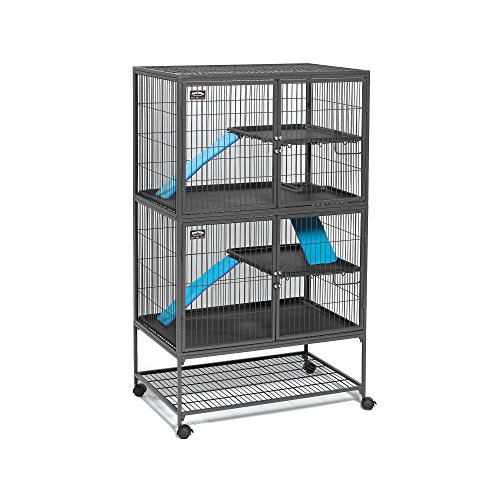
The best habitat for a fancy rat is a tall, multi-level wire cage with narrow bar spacing of 0.5 inch or less, solid or covered shelves, and a deep base for bedding. Our top pick is the Critter Nation by MidWest Homes, which pairs a spacious 36 by 24 by 36 inch footprint with double doors, good ventilation, and a removable pan. Because rats are highly social, always plan for at least a same-sex pair and size the cage up accordingly. Most cages sold as generic rodent or hamster homes are far too small.
Why It Matters
Fancy rats are large, intelligent, and remarkably active climbers that spend much of their waking hours exploring vertical space. A cramped or short cage leads to boredom, stress, muscle wasting, and behavioral problems, while poor ventilation raises the risk of the respiratory infections rats are already prone to. A cage with wide bars can also let a rat escape or trap a leg. Getting the enclosure right is the single biggest thing you can do for a rat’s daily quality of life, so it deserves more thought than a pet-store impulse buy.
What to Look For
Prioritize narrow bar spacing of 0.5 inch or less, since young rats and females can squeeze through wider gaps. Look for real vertical height with multiple solid levels, ramps, and anchor points for hammocks, ropes, and hides. A deep base lets you pile in absorbent bedding to control ammonia, and large doors or removable trays make weekly cleaning far easier. Wire construction with a solid floor gives the airflow rats need without exposing their feet to bare grid, which can cause sores.
How We Chose
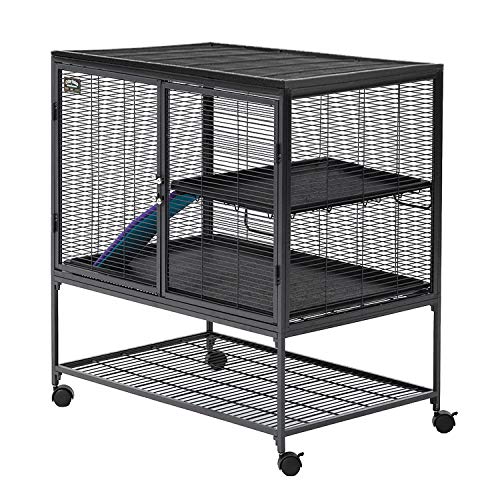
We compared widely available rat and ferret cages on the specifications that matter most for rat welfare: bar spacing, usable floor area, height, ventilation, base depth, and how easy each is to clean and expand. We leaned on published dimensions, established rat-care guidance from rescues and exotics resources, and owner feedback rather than hands-on lab testing. Cages that met the space and safety thresholds and could comfortably house a bonded pair or small group rose to the top of our list.
What to Avoid
Skip glass aquariums and enclosed plastic bins, which trap moisture and ammonia and can trigger respiratory illness. Avoid short, single-level hamster or mouse cages, wire mesh floors that cause bumblefoot, and any enclosure with bar spacing wider than 0.5 inch. Be wary of tiny cages marketed for one rat, since rats should not live alone. If your rat shows sneezing, wheezing, or porphyrin staining, cage changes alone are not enough, so consult an exotics vet.