Quick answer
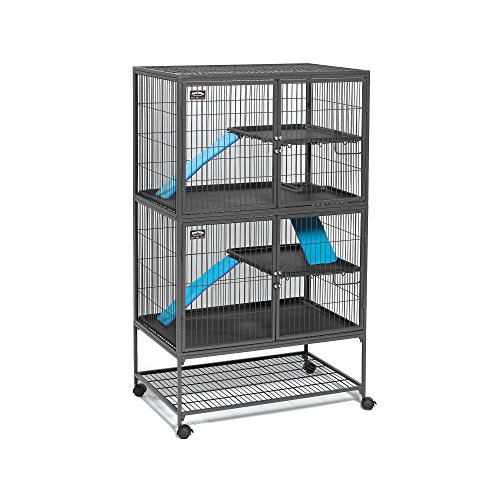
The best habitat for a ferret is not one single product. It is a large multi-level cage filled with hammocks and sleep sacks, tunnels and a dig box for play, a corner litter box, and food and water bowls, combined with several hours of supervised play each day in a ferret-proofed room. Ferrets are highly active and social, and they sleep 14 to 18 hours a day, so they need a cozy sleeping setup and busy waking hours. Keeping two ferrets is ideal, since they are social and enjoy company. Our picks pair a roomy multi-tier cage with soft hammocks and safe enrichment.
Why the whole habitat matters
A cage on its own is only part of a healthy ferret home. Ferrets are curious and muscular, and they get bored and stressed without room to climb, burrow and explore. The living environment should give them vertical space with solid ramps and shelves, plenty of soft places to sleep, and tunnels or a dig box to satisfy natural digging. Just as important, ferrets need time outside the cage. Several hours of daily supervised play in a ferret-proofed room keeps their minds and bodies healthy and strengthens your bond. A single ferret can do well with a lot of human attention, but a bonded pair keeps each other busy and content.
What to look for
Choose a multi-level cage with narrow bar spacing, no more than half an inch, so a slim ferret cannot squeeze out. Cover any bare wire ramps and shelves with fleece or solid panels to protect paws. Add at least two hammocks or sleep sacks, a set of tunnels, and a corner litter box that is easy to reach and clean. Keep bowls heavy so they cannot be tipped, and stick to hard, durable toys. Rotate toys and refresh the dig box to keep play interesting. Position the habitat in a cool, shaded spot, since ferrets overheat easily and can suffer heatstroke in warm rooms above roughly 80 degrees Fahrenheit.
How we chose
We focused on the pieces that build a complete home. We prioritized cages with true multi-level layouts, half-inch bar spacing, large doors for easy cleaning, and sturdy powder-coated construction. We looked for models that already include hammocks, ramps and shelves, and we favored setups that leave room to add tunnels and a dig box. We also checked that bar spacing and floor coverings would keep small, determined ferrets safe. Value, durability and ease of daily cleaning guided the final order, so both new and experienced owners can find a fit.
What to avoid
Avoid tanks, aquariums and small rabbit cages, which trap heat and limit movement. Skip soft rubber, foam or latex toys. Ferrets chew and swallow these pieces, and the blockages that follow are often fatal and need emergency surgery, so ask your veterinarian for safe toy ideas. Do not leave a ferret loose in a room that has not been ferret-proofed, because they slip into tiny gaps behind appliances and inside furniture. Also avoid cedar and pine bedding, which can irritate sensitive ferret airways.


