The Quick Answer for Flemish Giant Habitats
A Flemish Giant needs a whole living environment, not a single cage. Because these rabbits reach 15 to 20 pounds or more, the setup should give them at least 36 square feet of solid, flat floor plus daily free run. The best real-world approach is a large indoor pen or a rabbit-proofed room that holds a litter area, a covered hideout, resting mats, food and water stations, and open floor for hopping and periscoping. A hutch alone rarely delivers enough space, so most owners pair a secure sleeping enclosure with an attached exercise zone.
Why the Whole Habitat Matters
Giant breeds carry serious weight on their feet, so hard wire floors and cramped corners can lead to sore hocks, stiff joints, and stress. Treating the habitat as a complete zone, sleeping area, litter corner, hideout, and open run, keeps a heavy rabbit moving and comfortable. Free-roam or a connected pen also reduces boredom behaviors like bar chewing and constant digging. A well planned environment supports natural stretching, flopping, and exploring, which matters far more for a 20 pound rabbit than any single product feature.
What to Look For in the Setup
Prioritize floor footprint over height, since Flemish Giants run and stretch rather than climb. Choose solid flooring such as sealed wood, plastic base panels, or foam tiles topped with fleece or hay to protect the hocks. Add a hideout large enough for the full body, a low sided litter box with paper based bedding, and heavy chew resistant materials because these rabbits are strong. If you use an exercise pen, pick panels at least 36 inches tall so an adult cannot hop over, and rabbit-proof any cords or baseboards in a free-roam room.
How We Chose These Habitat Picks
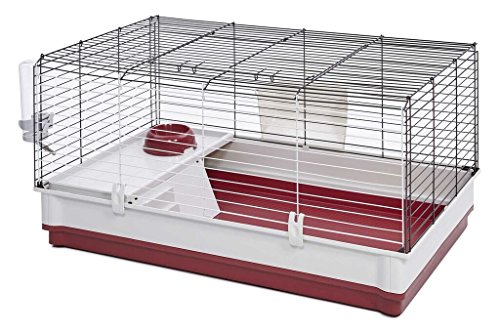
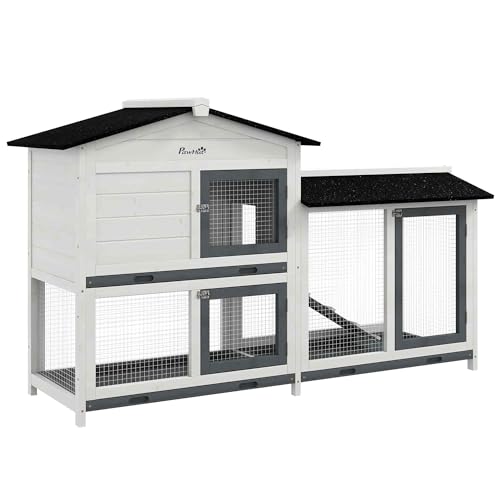
We compared large hutches, indoor cages, and pens on interior floor space, flooring type, build strength, cleaning access, and how easily each connects to an open run. We favored options measuring around 47 to 64 inches long with solid or coverable floors, since those best fit a giant breed. Products with wire only floors were only included when a resting mat or panel can be added. Our editorial team weighs published dimensions and materials rather than staged testing, and we treat every setup as one piece of a larger free-roam plan.
What to Avoid
Avoid standard rabbit cages sold for small breeds, tall multi-level condos that waste vertical space, and any all wire floor left uncovered. Skip flimsy thin wood or light gauge mesh that a strong rabbit can chew or bend. Do not rely on a hutch as the only space with no daily run, and avoid slick uncovered plastic that offers no grip. In hot or freezing outdoor conditions, do not leave a giant rabbit without shade, insulation, and shelter. When in doubt about weight, mobility, or foot health, consult an exotics savvy veterinarian.