Quick Answer
The best habitat for a Netherland Dwarf rabbit is a roomy, escape-proof enclosure with a solid floor, ideally a large cage or hutch attached to a puppy pen or exercise pen so your rabbit can take several hops in a row. Even though the Netherland Dwarf is the smallest breed, small does not mean it needs a small home. A single cage on its own is rarely enough. Pair the enclosure with a few hours of supervised free run time every day and you have a setup that keeps this tiny rabbit fit, calm, and healthy.
Why It Matters
Netherland Dwarfs weigh only about two to two and a half pounds, so it is tempting to assume a compact cage is fine. It is not. Rabbits are built to run, binky, and stand tall to survey their surroundings, and a cramped cage leads to boredom, weight gain, and sore hocks from constant pressure on the same spot. A habitat that is too small can also contribute to litter box lapses and destructive chewing. Giving your dwarf real space to move protects both its body and its temperament, and it makes the rabbit far more pleasant to live with.
What to Look For
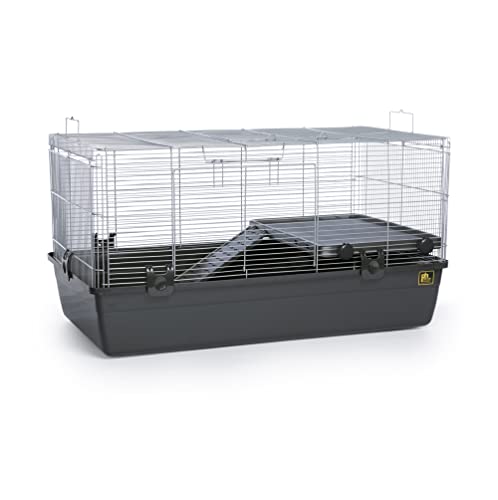
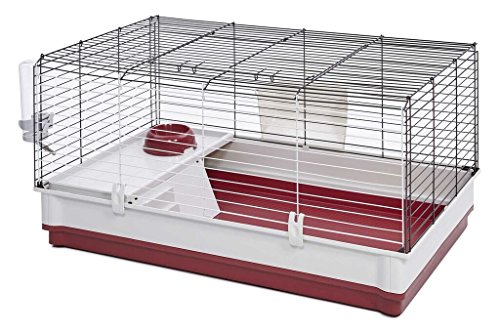
Prioritize floor space over height, since rabbits hop across, not up. Look for an enclosure your dwarf can take at least three or four hops across, with a solid plastic or covered floor to protect delicate feet from bare wire. Bar spacing of one inch or less prevents a small dwarf from squeezing through or getting a head stuck. Secure, escape-proof latches matter because these rabbits are clever and determined. Finally, choose a design with a deep base and removable tray so cleaning is quick, since a habitat that is annoying to clean tends to get cleaned less often.
How We Chose
We focused on enclosures that treat the cage as a home base rather than the whole world, favoring models with generous footprints, solid floors, and easy pen attachment. We compared bar spacing, base depth, door placement, and how simple each unit is to clean and to open for bonding time. We leaned toward setups that make daily free run natural, such as cages with wide front doors that a pen can clip onto. Products here reflect published specifications and common owner experience, not hands-on lab testing.
What to Avoid
Avoid any habitat marketed as suitable simply because the rabbit is small. Skip bare wire floors, which cause painful sore hocks, and avoid multi-level cages with steep ramps that can be risky for a stocky dwarf. Stay away from pine and cedar bedding, since the aromatic oils can irritate sensitive airways. Do not rely on a cage alone with no exercise time, and avoid flimsy latches a curious rabbit can nose open. If your rabbit shows signs of illness, sore feet, or changed behavior, consult an exotics or rabbit-savvy veterinarian.