Quick answer
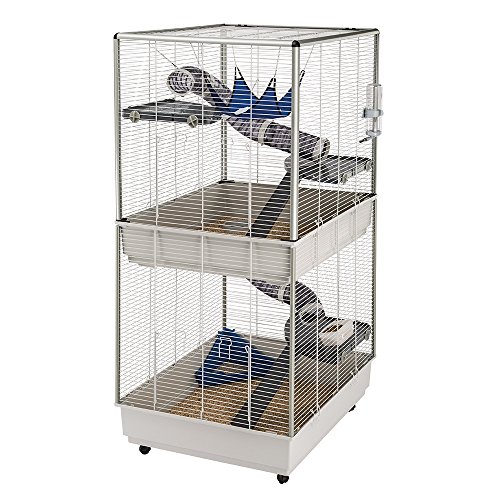
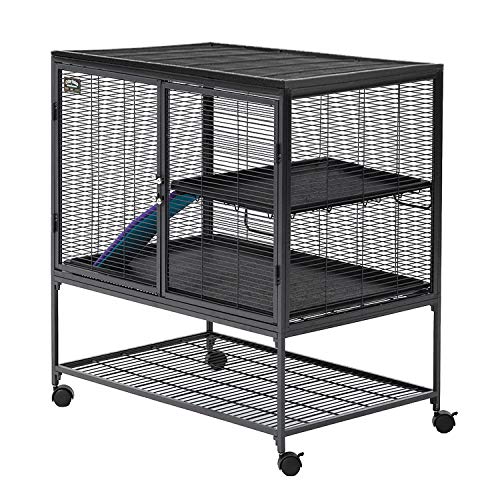
The best habitat for a pet rat is a large, well ventilated multi-level wire cage kitted out as a full living space, not just a box with a water bottle. Our top pick is the Critter Nation by MidWest Homes for its roomy 36x24x36 inch frame, narrow 0.5 inch bars, and solid floors. Add hammocks, climbing ropes, a dig box, hides, and foraging toys, keep two or more same-sex rats together, and give them several hours of supervised out-of-cage time every day.
Why the whole habitat matters
Rats are highly intelligent and deeply social, so the cage is only the shell. A great habitat is the whole environment: vertical levels to climb, cozy hammocks and hides to sleep in, ropes and ladders to explore, a dig box for foraging, chew items to wear down teeth, a litter area, and clean water. Just as important, rats need company of their own kind and daily time outside the cage to stretch, run, and bond with you. A bare cage, even a large one, leaves these clever animals bored and stressed. Rats form strong bonds, learn their names, and enjoy problem solving, so the more the habitat encourages foraging, climbing, and play, the happier and healthier they stay. Housing them in pairs or small same-sex groups covers their social needs, while a thoughtful layout of levels and hides lets each rat choose where to rest, hide, or explore.
What to look for
Start with a large wire cage that offers at least 2 cubic feet of space per rat, bar spacing of 0.5 inches or less, and solid shelves rather than wire mesh to protect delicate feet. A deep base pan holds plenty of bedding for digging. Then layer in enrichment: fabric hammocks in fleece or cotton, sisal ropes and ladders, wooden chews, and puzzle or foraging toys that hide food. Set up a clear litter area, a few hides at different heights, and a chew station, and give each rat a cozy sleeping spot. A cage plus playpen combo makes safe out-of-cage time simple, and placing the whole setup in a quiet, draft free spot keeps sensitive rats calm and comfortable.
How we chose
We compared popular rat cages and enrichment gear on space, ventilation, bar spacing, floor safety, durability, and how well each supports a full enriched setup for a pair or group. We favored cages like the Critter Nation and the Prevue Feisty Ferret Home that give real vertical room, plus hammock and foraging add-ons that keep active minds busy. Picks reflect published specs and common owner guidance, not lab testing.
What to avoid
Skip glass tanks and enclosed bins: they trap ammonia and cause respiratory illness, and give nothing to climb. Avoid wire floors and shelves that hurt feet, cedar and pine bedding that release harmful oils, and cramped cages sold for hamsters. Never house a single rat alone, and do not treat out-of-cage time as optional. If a rat sneezes, wheezes, or scratches constantly, ask an exotic vet to check for respiratory or skin issues.