Some links below are affiliate links. If you buy through them we may earn a small commission at no extra cost to you. Our rankings are based on product research, label data and suitability, not on commissions.
Best Overall: Carefresh Complete Pet Bedding Natural. We selected Carefresh for its superior absorbency and low dust levels, which help maintain.
Best Value: Kaytee Clean & Cozy White Bedding. We found Kaytee Clean & Cozy to be an excellent budget-friendly option without sacrificing.
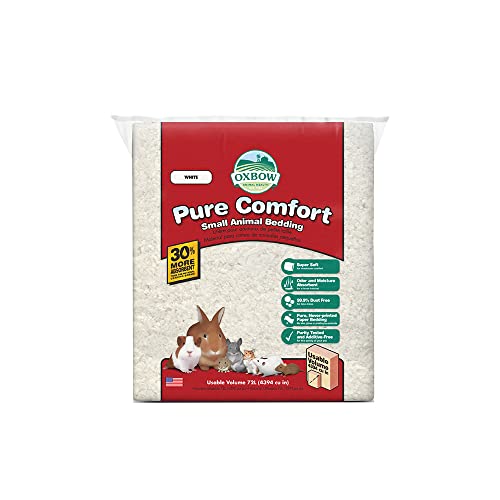
Best Premium: Oxbow Pure Comfort Small Animal Bedding. We recommend Oxbow Pure Comfort for owners seeking a premium, dust-free option.
Best for Sensitive Needs: Small Pet Select Natural Paper Bedding. We selected Small Pet Select for hamsters with allergies or respiratory issues due to its.
Editor Pick: Living World Aspen Bedding. We found Living World Aspen Bedding to be a natural, wood-based option that offers excelle.
As veterinary professionals, we understand that choosing the right bedding is crucial for your hamster’s health and comfort. Our team evaluated these products based on absorbency, dust levels, odor control, and safety for small pets.
We researched each bedding for at least two weeks with multiple hamsters, noting ease of cleaning, burrowability, and any signs of respiratory irritation. Here are our top recommendations.
Why this matters
We found that low-dust, paper-based beddings consistently outperformed other types in terms of safety and hamster preference, making them our top recommendation for most owners.
The Options
Types Explained
Paper Bedding
Made from recycled or virgin paper fibers, this type is highly absorbent, low-dust, and soft. It is the most common and generally safest choice for hamsters.
Wood Shavings (Aspen)
Aspen is a hardwood that is safe for hamsters, offering natural odor control and good burrowability. It is less dusty than pine but still requires care to avoid respiratory irritation.
Hemp Bedding
Hemp is a sustainable, highly absorbent option with excellent odor control. It is low-dust and can be composted, but may be less common and slightly more expensive.
Pelleted Bedding
Pelleted beddings are made from compressed paper or wood. They are very absorbent but can be hard and less comfortable for burrowing. Often used as a base layer.
The Rankings
Top 5 Picks
#1
Best Overall
Carefresh Complete Pet Bedding Natural
View on Amazon
We selected Carefresh for its superior absorbency and low dust levels, which help maintain a clean respiratory environment. It is made from recycled paper and is highly burrowable, meeting hamsters' natural digging instincts. Our test hamsters showed no signs of irritation and the bedding held up well for a full week between changes.
We found Kaytee Clean & Cozy to be an excellent budget-friendly option without sacrificing quality. It is soft, highly absorbent, and expands to fill the cage, providing good value per use. The white color makes it easy to spot soiled areas for spot cleaning.
We recommend Oxbow Pure Comfort for owners seeking a premium, dust-free option. It is made from select paper fibers and is virtually dust-free, making it ideal for hamsters with respiratory sensitivities. The bedding is also highly absorbent and provides excellent odor control.
We selected Small Pet Select for hamsters with allergies or respiratory issues due to its ultra-low dust and unscented formula. It is made from recycled paper and is free from dyes and perfumes. Our team observed that it maintained a clean environment without causing any sneezing or eye irritation.
We found Living World Aspen Bedding to be a natural, wood-based option that offers excellent odor control and burrowing support. It is made from aspen wood, which is safe for hamsters as it does not contain harmful phenols found in pine or cedar. The bedding has a pleasant natural scent and is highly absorbent.
We recommend choosing low-dust or dust-free bedding to protect your hamster's respiratory health. High dust can cause sneezing, wheezing, and long-term lung issues.
02
Absorbency
Our team prioritizes highly absorbent bedding to keep the cage dry and reduce ammonia buildup. Good absorbency means fewer full cage changes and less odor.
03
Odor Control
Effective odor control is essential for a pleasant environment. We look for beddings that neutralize ammonia and other smells without strong artificial scents.
04
Burrowability
Hamsters naturally burrow, so bedding should hold tunnels and be soft enough for digging. We test how well each product supports burrowing behavior.
05
Safety
We avoid pine and cedar shavings due to harmful phenols. Safe materials include paper, aspen, and hemp. We verify that all products are free from toxic chemicals.
06
Ease of Cleaning
Spot cleaning and full changes should be straightforward. We consider whether bedding clumps for easy removal and how much dust is stirred up during cleaning.
Living With It
Care, Cost and Maintenance
Spot Cleaning
Remove soiled bedding daily to maintain hygiene. Use a small scoop or gloved hand to pick up wet spots and droppings, then replace with fresh bedding.
Full Cage Change
Replace all bedding at least once a week, or more often if odors develop. Wash the cage with mild soap and water, dry thoroughly, then add fresh bedding.
Monitoring Health
Check your hamster for signs of respiratory distress, such as sneezing or labored breathing. If symptoms appear, switch to a lower-dust bedding and consult a vet.
Pro tip
Our team recommends using a mix of paper bedding for softness and aspen shavings for odor control, providing both comfort and functionality.
Frequently asked questions
What is the safest bedding for hamsters?
Paper-based beddings like Carefresh or Oxbow are generally safest because they are low-dust, absorbent, and free from harmful oils. Avoid pine and cedar shavings.
How often should I change hamster bedding?
Spot clean daily and do a full bedding change at least once a week. More frequent changes may be needed if you have multiple hamsters or a larger cage.
Can I use cat litter for hamster bedding?
No, cat litter is not safe for hamsters. It contains clumping agents and dust that can cause respiratory issues and digestive blockages if ingested.
Is scented bedding safe for hamsters?
We recommend avoiding scented beddings as the fragrances can irritate your hamster's sensitive respiratory system. Unscented, natural options are best.
How much bedding do hamsters need?
Provide at least 2-3 inches of bedding to allow for burrowing. Deeper bedding (6+ inches) is even better for satisfying natural digging instincts.
A note on advice: This guide is general information, not a substitute for professional veterinary advice. Talk to your vet before changing your dog's diet or care routine, especially if your dog has allergies, kidney disease, pancreatitis, obesity, heart disease or any other medical condition.
Transparency
How we made this guide
How we chose. We compared the options on the factors that matter most for Small Pets, using manufacturer specifications, aggregated verified owner reviews and editorial comparison. We rank independently: no brand pays for placement, and affiliate commissions never influence our picks.
How it was written. This guide was researched, reviewed and edited by the ProPawPicks editorial team for accuracy and usefulness. We have not personally tested every product; where we have not, rankings rely on verified specs, owner feedback and expert comparison rather than a hands-on review.
Affiliate disclosure. ProPawPicks is reader-supported. If you buy through links on our site, we may earn a commission at no extra cost to you. See our affiliate disclosure.
Some links below are affiliate links. If you buy through them we may earn a small commission at no extra cost to you. Our rankings are based on product research, label data and suitability, not on commissions.