Quick answer
The best hamster dig box is a sturdy, chew-resistant container that is deep and wide enough to burrow in, filled with a safe, low-dust digging medium such as a coco-fibre or soil mix, or a sand-and-substrate blend. It sits on top of your hamster’s deep main bedding as extra enrichment, never as a replacement for it. Slightly dampening a coco or soil mix helps it hold burrows, while the rest of the cage stays dry. Skip calci-sand and any dusty sand, which can harm a hamster’s delicate airways.
Why hamsters need to dig
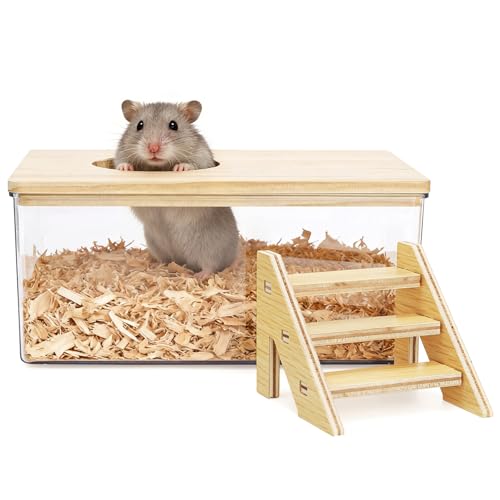
Digging and burrowing are core natural hamster behaviours. In the wild a hamster excavates long tunnel systems to sleep, hide and store food, and a pet hamster keeps that same drive. A dig box gives it a dedicated place to tunnel, which burns energy, eases boredom and reduces stress-linked habits like bar-chewing. It also doubles as a foraging spot: scatter a little dry food across the substrate and your hamster will happily forage and dig for it, turning a simple container into rewarding daily enrichment.
What to look for
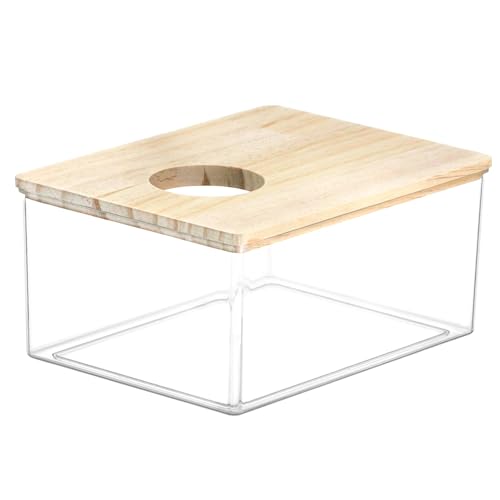
Start with the container. Glass, ceramic or thick chew-resistant plastic all work, because a determined hamster will gnaw thin walls. It should be deep enough to hold a few inches of substrate and wide enough for the hamster to turn and dig freely. Next comes the filling. A coco-fibre or safe soil mix holds burrow shape well, especially lightly dampened, while a sand-and-substrate blend, such as low-dust play sand mixed with paper bedding, suits hamsters that like a drier medium. Above all the substrate must be low dust and unscented. Finally, pick a box that lifts out easily so you can empty, dry and refill it without dismantling the cage.
How we chose
We focused on containers and substrates that respect real hamster needs rather than novelty. Dig boxes had to be sturdy and deep, with chew-resistant walls and enough floor space to burrow properly. For fillers we favoured safe, low-dust options: coco fibre, hamster-safe soil mixes and paper-based bedding, plus play sand only where it is genuinely low dust. We gave weight to designs that lift out for easy cleaning and refilling, and to ready kits that pair a container with a suitable medium. We also leaned toward products that clearly supplement deep main bedding rather than pretending to replace it.
What to avoid
Avoid calci-sand and any fine, dusty sand outright, as the dust can trigger serious respiratory problems in a hamster. Skip scented, dyed or chemically treated substrates, and anything a hamster might swallow that is not safe to nibble. Do not soak the medium; a coco or soil mix should be barely damp so it holds a burrow, while the main cage stays dry to prevent mould and skin issues. Never let a dig box become the excuse for shallow bedding: your hamster still needs at least six inches of deep main bedding across the cage, with the dig box added on top.