Quick answer
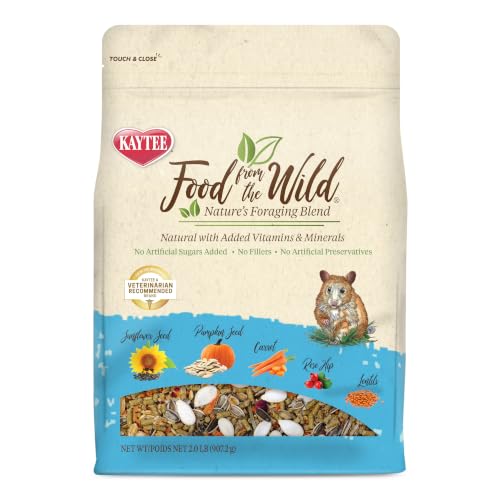
A hamster forage mix is a blend of seeds, grains, dried herbs, botanicals and insect protein that you scatter in the bedding so your hamster hunts for its food. Our top overall pick is the Kaytee Forti-Diet Pro Health Nourish+Protect Hamster and Gerbil Food, a fortified blend that scatters well while still covering daily nutrition. For a more varied natural feel we like Kaytee Food from The Wild, and for a pure enrichment topper the No Furries Delights 100% Natural Botanical Herb forage mix gives safe herbs to root through. For dwarf owners, the Sunseed Vitakraft Vita Prima Dwarf blend is sized for smaller mouths. Remember that a forage mix supplements a balanced staple diet. It is not a complete food on its own, and portion control matters.
Why foraging matters
Wild hamsters spend hours searching for and stashing food across their range. Scattering a forage mix across the enclosure recreates that behavior, adds daily activity and reduces boredom and cage stress. Foraging also slows eating, encourages natural digging and gives a shy hamster a reason to explore its space. That mental and physical stimulation is one of the easiest enrichment wins you can offer. Pair the mix with a complete base food so the enrichment never comes at the cost of balanced nutrition.
What to look for
Choose whole, recognizable ingredients such as oat groats, barley, flaked peas, dried herbs and dried mealworms over bright colored or shaped pieces. Whole ingredients are easier to judge and usually carry less added sugar. Protein needs differ by species: active Syrians do well with insect protein like mealworms, while dwarfs need it kept moderate. Watch sugar closely for dwarf, Roborovski and Campbell’s hamsters, which are prone to diabetes, so avoid mixes heavy in dried fruit, corn or molasses. Variety matters too, since a wider range of seeds and botanicals makes scatter feeding more rewarding and better mimics a natural diet.
How we chose
We researched ingredient panels, brand reputation and buyer feedback rather than running lab trials or feeding tests. We favored blends with whole grains, named seeds and clear labeling, and we flagged sugary or dyed products that lean on filler pieces. We also weighed how well each mix suits scatter feeding versus daily nutrition, since the two jobs are different. Picks like the Abizoo natural gourmet treat earned a spot as an occasional scatter extra, not a daily ration, while the fortified Kaytee blends anchor the list as everyday staples.
What to avoid
Skip mixes loaded with sugary dried fruit, sticky honey or molasses, and artificial dyes, especially for dwarf species. Avoid making a forage blend the whole diet, since hamsters selectively pick out favorite pieces and leave the rest, which unbalances nutrition and drives obesity. Do not free-pour food into a full bowl every day. Instead, measure portions, roughly a tablespoon of total food per day for most hamsters, and wait for the mix to be mostly eaten before topping up. When in doubt about amounts, health or sudden changes in appetite or weight, let your vet guide feeding for your individual pet.