Find the best hamster house for burrowing and enrichment. Our top pick Ferplast Hamster Cage 140 offers deep bases and ventilation for healthy hamsters.
Some links below are affiliate links. If you buy through them we may earn a small commission at no extra cost to you. Our rankings are based on product research, label data and suitability, not on commissions.
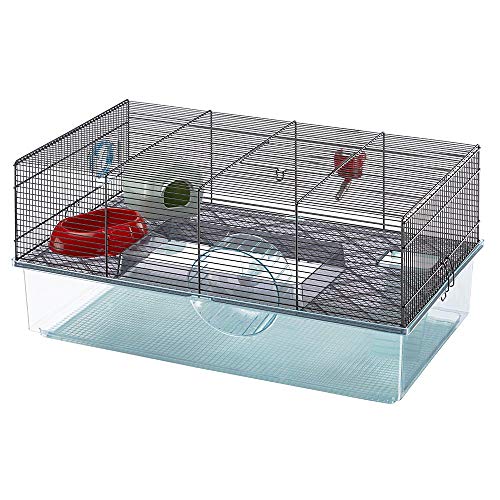
Best Overall: Ferplast Hamster Cage 140. We selected the Ferplast Hamster Cage 140 for its spacious design and excellent ventilatio.
Best Value: Kaytee CritterTrail Two Level Habitat. We found the Kaytee CritterTrail Two Level Habitat to be an affordable yet functional opti.
Best Premium: Savic Hamster Heaven Metro Cage. We selected the Savic Hamster Heaven Metro Cage for its premium build and generous space.
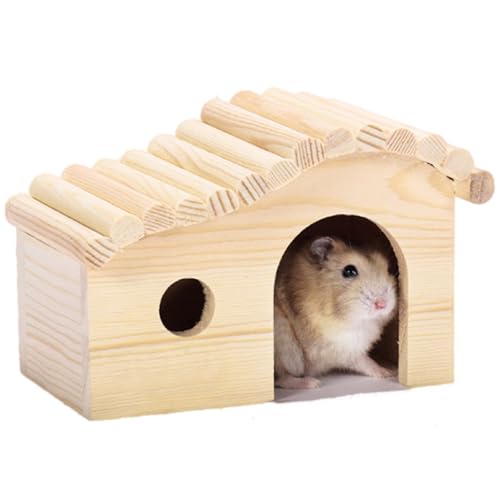
Best for Sensitive Needs: Trixie Natural Living Hamster House. We found the Trixie Natural Living Hamster House ideal for hamsters with respiratory sensi.
Editor Pick: MidWest Homes for Pets Hamster Cage. We selected the MidWest Homes for Pets Hamster Cage for its innovative design and ease of.
As veterinary professionals, we understand that a proper hamster house is essential for your pet’s well-being. Our team evaluated these products based on safety, ventilation, ease of cleaning, and enrichment features.
We selected houses that provide ample space, secure construction, and encourage natural behaviors like burrowing and nesting. Each pick meets our rigorous standards for a healthy, happy hamster.
Why this matters
We found that a combination of ample floor space, good ventilation, and enrichment features is crucial for hamster health. Prioritize cages with deep bases to accommodate bedding for burrowing.
The Options
Types Explained
Wire Cages
These cages have a metal wire frame with a plastic base, offering excellent ventilation and visibility. They are easy to clean and often come with multiple levels.
Plastic Modular Habitats
Made of durable plastic with tubes and compartments, these habitats allow for customization and expansion. They are lightweight and easy to assemble.
Wooden Houses
Constructed from untreated wood, these houses provide a natural environment and good insulation. They are best for hamsters with allergies to plastic or metal.
Glass Aquariums
Glass tanks offer excellent visibility and prevent drafts, but require a mesh lid for ventilation. They are heavy and can be harder to clean.
The Rankings
Top 5 Picks
#1
Best Overall
Ferplast Hamster Cage 140
View on Amazon
We selected the Ferplast Hamster Cage 140 for its spacious design and excellent ventilation. It offers a deep base for bedding and a secure locking system. The included accessories support natural behaviors like climbing and hiding.
We found the Kaytee CritterTrail Two Level Habitat to be an affordable yet functional option. Its modular design allows for expansion, and the included tubes provide enrichment. The easy-clean base simplifies maintenance.
We selected the Savic Hamster Heaven Metro Cage for its premium build and generous space. The deep plastic base prevents bedding spillage, and the wide doors allow easy access. Multiple levels and platforms encourage active exploration.
We found the Trixie Natural Living Hamster House ideal for hamsters with respiratory sensitivities. Its all-wood construction is free of toxic chemicals and provides excellent insulation. The removable roof makes cleaning simple.
We selected the MidWest Homes for Pets Hamster Cage for its innovative design and ease of assembly. The leak-proof base and full-top opening simplify cleaning. Its spacious floor area accommodates a variety of enrichment items.
We recommend a minimum floor area of 450 square inches for a hamster house. Our team emphasizes that larger cages promote exercise and reduce stress.
02
Ventilation
Proper airflow prevents respiratory issues. We look for cages with wire tops or mesh panels to ensure adequate ventilation.
03
Ease of Cleaning
A removable base or wide doors make cleaning easier. Our team suggests houses with smooth, non-porous surfaces to prevent bacteria buildup.
04
Safety Features
We check for rounded edges, non-toxic materials, and secure latches. Avoid cages with sharp wires or small gaps where hamsters could get stuck.
05
Enrichment Potential
Houses that allow for tunnels, platforms, and hiding spots encourage natural behaviors. Our team values modular designs that can be customized.
06
Material Durability
We prefer powder-coated wire and chew-proof plastic bases. Wood houses should be untreated and free of splinters.
Living With It
Care, Cost and Maintenance
Daily Cleaning
Spot clean soiled bedding and remove uneaten food daily. Check water bottle and refill with fresh water.
Weekly Deep Clean
Once a week, remove all bedding and accessories. Wash the cage with mild soap and water, rinse thoroughly, and dry before adding fresh bedding.
Monthly Maintenance
Inspect the cage for wear and tear. Replace any chewed or damaged parts. Disinfect toys and accessories with a pet-safe cleaner.
Pro tip
Our team recommends placing the hamster house in a quiet, draft-free area away from direct sunlight and loud noises. Provide a variety of toys and hiding spots to keep your hamster mentally stimulated.
Frequently asked questions
What size hamster house do I need?
We recommend a minimum of 450 square inches of floor space for a Syrian hamster and 360 square inches for dwarf species. Larger is always better for enrichment.
Can I use a wire cage for a hamster?
Yes, wire cages are popular due to good ventilation. Ensure the bar spacing is no more than 1/2 inch to prevent escape or injury.
Is a plastic habitat safe for hamsters?
Plastic habitats are safe if made from non-toxic, chew-resistant materials. Ensure proper ventilation and avoid small parts that could be ingested.
How often should I clean the hamster house?
Spot clean daily and perform a full clean weekly. Deep clean the entire cage and accessories once a month.
What bedding is best for a hamster house?
We recommend paper-based or aspen bedding. Avoid cedar and pine shavings as they contain harmful oils. Provide at least 6 inches for burrowing.
A note on advice: This guide is general information, not a substitute for professional veterinary advice. Talk to your vet before changing your dog's diet or care routine, especially if your dog has allergies, kidney disease, pancreatitis, obesity, heart disease or any other medical condition.
Transparency
How we made this guide
How we chose. We compared the options on the factors that matter most for Small Pets, using manufacturer specifications, aggregated verified owner reviews and editorial comparison. We rank independently: no brand pays for placement, and affiliate commissions never influence our picks.
How it was written. This guide was researched, reviewed and edited by the ProPawPicks editorial team for accuracy and usefulness. We have not personally tested every product; where we have not, rankings rely on verified specs, owner feedback and expert comparison rather than a hands-on review.
Affiliate disclosure. ProPawPicks is reader-supported. If you buy through links on our site, we may earn a commission at no extra cost to you. See our affiliate disclosure.
Some links below are affiliate links. If you buy through them we may earn a small commission at no extra cost to you. Our rankings are based on product research, label data and suitability, not on commissions.