Some links below are affiliate links. If you buy through them we may earn a small commission at no extra cost to you. Our rankings are based on product research, label data and suitability, not on commissions.
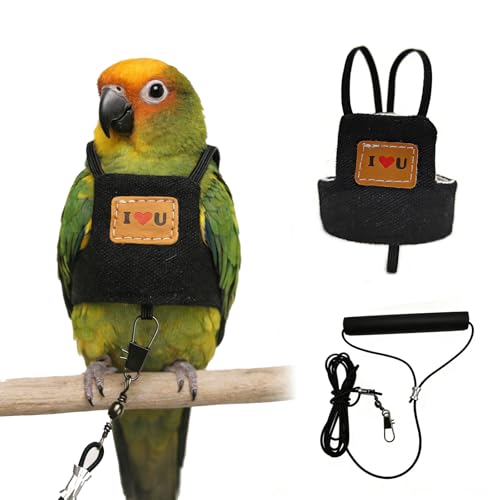
Our Favourite: The AVIATOR Pet Bird Harness and Leash. The Aviator is widely recommended for Green Cheek Conures because its adjustable, escape p.
Best Quality: LuckyOpt Parrot Flying Leash, 16.4 ft Training Rope. This harness uses a unique loop system that does not require the bird to slip its head thr.
Best on a Budget: Bird Flight Harness Vest, Adjustable Training Design Anti-Bite, Suit. A more affordable option that still provides a secure fit for smaller conures.
Best for Fussy Ones: ASOCEA Adjustable Bird Harness and Leash. Designed specifically for small parrots, this harness has a simple step in design that man.
Runner Up: Bird Flight Harness Vest, Adjustable Training Design Anti-Bite, Suit. A classic design that has been used for decades, it offers a reliable fit once the bird is.
Choosing the right travel harness for your Green Cheek Conure is crucial for their safety and your peace of mind. A well fitted harness allows your bird to enjoy outdoor adventures without the risk of escape or injury, while also respecting their curious and sometimes stubborn nature.
Our editorial team has researched and compared the top harnesses available, focusing on features that matter most for this species: secure fit, durability, and comfort for a bird that may resist wearing gear. Below are our honest picks based on real world feedback from conure owners.
Why this matters
We found that the most important factor for a Green Cheek Conure harness is a secure, escape proof fit, as this species is known for being clever and determined to free themselves.
The Rankings
Top 5 Picks
#1
Our Favourite
The AVIATOR Pet Bird Harness and Leash
View on Amazon
The Aviator is widely recommended for Green Cheek Conures because its adjustable, escape proof design fits their small bodies securely. It is made from soft, breathable material that reduces the risk of chafing, which is important for birds that may fidget.
LuckyOpt Parrot Flying Leash, 16.4 ft Training Rope
View on Amazon
This harness uses a unique loop system that does not require the bird to slip its head through, making it less intimidating for nervous conures. The high quality paracord is durable yet gentle, good for birds that might chew on the leash.
Bird Flight Harness Vest, Adjustable Training Design Anti-Bite, Suit
View on Amazon
A more affordable option that still provides a secure fit for smaller conures. It features a diaper like design that catches droppings, which can be convenient during long outings. However, some birds may find it bulkier than other styles.
Designed specifically for small parrots, this harness has a simple step in design that many Green Cheek Conures tolerate better than over the head styles. The soft cotton webbing is comfortable and less likely to cause feather damage.
Bird Flight Harness Vest, Adjustable Training Design Anti-Bite, Suit
View on Amazon
A classic design that has been used for decades, it offers a reliable fit once the bird is accustomed to it. The leather and nylon construction is sturdy but may require more training due to the head loop. Best for conures that are already harness trained.
Green Cheek Conures are small, with a body length around 10 inches. Choose a harness labeled for small parrots or conures, and check that the neck and wing loops can be adjusted snugly without restricting movement.
02
Escape Proof Design
Conures are clever and may try to wriggle out of a poorly fitted harness. Look for designs that have multiple adjustment points or a backup safety clip to prevent escapes.
03
Material and Durability
The harness should be made of soft, chew resistant material like nylon or cotton webbing. Avoid anything with loose threads or small parts that could be ingested.
04
Ease of Use
Green Cheek Conures can be stubborn about wearing gear. A harness that is easy to put on, such as a step in or loop design, will make the training process smoother for both you and your bird.
05
Comfort for Longer Wear
If you plan on extended outings, choose a harness with padding or wide straps to distribute pressure. Birds that are uncomfortable may become stressed or try to remove the harness.
06
Leash Attachment Security
The leash should attach firmly with a swivel clip to prevent tangling. A bungee leash can be helpful for absorbing sudden movements, reducing the risk of injury if your conure takes off.
Pro tip
Our team suggests introducing the harness gradually indoors with positive reinforcement like treats. Practice wearing it for short periods before venturing outside to build your conure's comfort and trust.
Frequently asked questions
Can I use a cat or small dog harness on my Green Cheek Conure?
No, harnesses for cats or dogs are not designed for a bird's anatomy. They can restrict wing movement or allow the bird to slip out. Always use a harness specifically made for parrots.
How do I measure my Green Cheek Conure for a harness?
Use a soft measuring tape. Measure around the neck (just above the shoulders) and around the body behind the wings. Compare with the harness size chart. A snug fit is key, but you should be able to slide one finger between the harness and the bird.
My conure chews on the harness. Is that dangerous?
Chewing is natural, but small pieces of fabric can cause crop impaction. Choose a harness made of durable, non fraying material like nylon webbing. Supervise your bird when wearing the harness and replace it if damaged.
How long does it take to train a Green Cheek Conure to wear a harness?
It varies by bird, but with patience and daily short sessions, many conures adapt within a week or two. Start by letting them see and touch the harness, then gradually progress to putting it on for a few minutes at a time.
Is it safe to use a harness on a baby Green Cheek Conure?
Wait until your conure is fully feathered and weaned, typically around 3 to 4 months old. Younger birds may have delicate bones and skin. Always consult with an avian veterinarian before starting harness training.
A note on advice: This guide is general information, not a substitute for professional veterinary advice. Talk to your vet before changing your dog's diet or care routine, especially if your dog has allergies, kidney disease, pancreatitis, obesity, heart disease or any other medical condition.
Transparency
How we made this guide
How we chose. We compared the options on the factors that matter most for Birds, using manufacturer specifications, aggregated verified owner reviews and editorial comparison. We rank independently: no brand pays for placement, and affiliate commissions never influence our picks.
How it was written. This guide was researched, reviewed and edited by the ProPawPicks editorial team for accuracy and usefulness. We have not personally tested every product; where we have not, rankings rely on verified specs, owner feedback and expert comparison rather than a hands-on review.
Affiliate disclosure. ProPawPicks is reader-supported. If you buy through links on our site, we may earn a commission at no extra cost to you. See our affiliate disclosure.
Some links below are affiliate links. If you buy through them we may earn a small commission at no extra cost to you. Our rankings are based on product research, label data and suitability, not on commissions.