Quick answer
For most chinchillas the best hay feeder is a solid metal rack that holds a constant supply of grass hay off the cage floor and resists chewing. The Kaytee Hay & Food Bin Feeder is a strong all-around pick, the X-Large metal-frame rabbit and guinea pig hay feeder suits larger cages, and the Ware Manufacturing Hay Rack works well in compact setups. Whatever you choose, prioritize chew-proof metal and openings that cannot trap a head or leg, then mount it securely so a climbing chinchilla cannot knock it loose.
Why a hay feeder helps
Unlimited grass hay such as timothy or orchard grass is the foundation of a chinchilla diet. It keeps the gut moving and, just as important, wears down teeth that grow continuously for life, which helps prevent the painful dental overgrowth chinchillas are prone to. A good feeder keeps that hay clean, dry, and off the floor, where chinchillas often eat and pass droppings in the same area. Loose hay on the cage bottom quickly gets soiled and trampled, so much of it goes to waste. Contained hay means less contamination, less mess, and a steady supply your chinchilla can graze on around the clock.
What to look for
Favor chew-resistant construction, which almost always means metal. Chinchillas are relentless gnawers that quickly destroy plastic and even wood, and swallowed plastic can cause a dangerous gut blockage that may need emergency care. Look for a deep basket or bin that catches loose strands, smooth edges with no sharp points, and a secure mount that sits flush against the bars. Openings should let hay through but stay too small for a chinchilla to squeeze a head or leg into. The Kaytee bin and the metal-frame rack both keep pellets or hay separated while staying easy to refill and clean.
How we chose
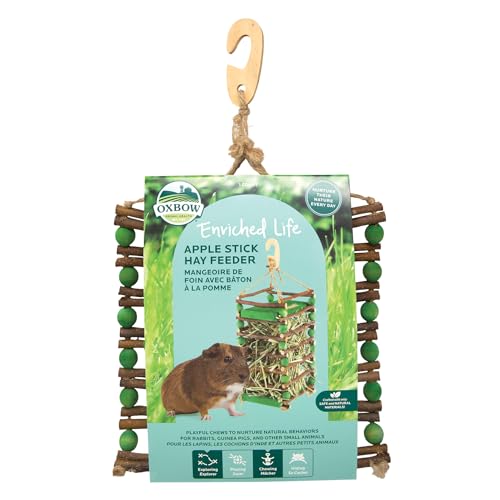
We compared widely sold chinchilla and small-pet hay feeders on material safety, chew resistance, waste control, cleaning, and how securely they mount. We favored solid metal designs over thin plastic, weighed real owner feedback on durability, and checked openings and gaps against entrapment risk. We also looked at capacity, since a larger reserve means fewer refills and steadier grazing. Picks like the Oxbow Enriched Life feeder are included for lighter chewers, but our top choices lean on metal that holds up to constant gnawing.
What to avoid
Skip feeders with large gaps, hanging balls, springs, or moving parts where a chinchilla could wedge a head or a leg and get trapped. Avoid flimsy plastic that gets chewed into sharp, swallowable pieces, and inspect any feeder weekly for new chew damage. Do not mount a feeder so high that hay showers onto bedding, and never leave hay damp, since mold can make a chinchilla seriously ill. If you notice reduced eating, weight loss, drooling, or other diet, gut, or dental changes, contact an exotics veterinarian promptly.