Quick Answer
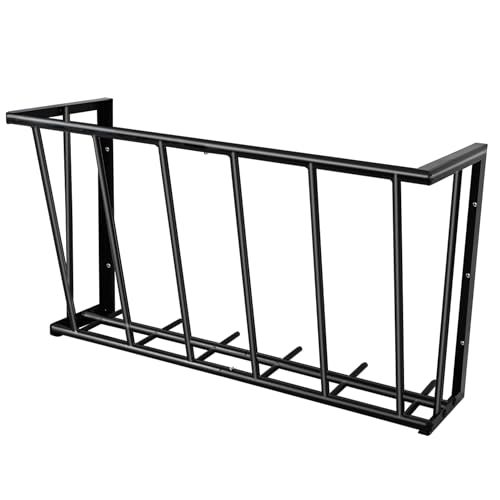
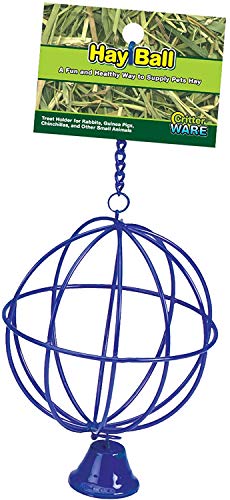
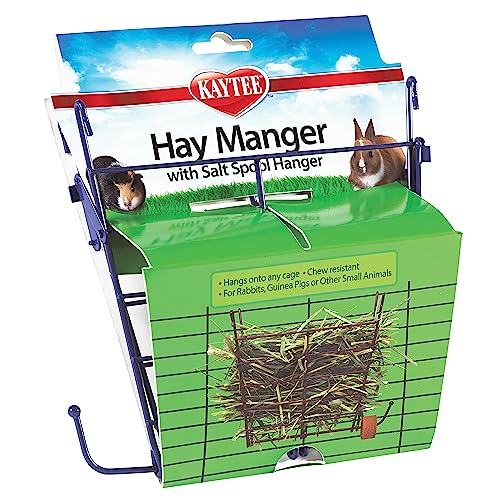
For a dwarf rabbit, the best hay feeder is a covered wooden or narrow-slot rack mounted low near the litter tray, such as the Kaytee Hay Manger for most cages or the Oxbow Enriched Life Hay Rack when you want a waste-catching lip. Hay makes up the bulk of a rabbit’s diet, so a good rack keeps that hay clean, dry and off the cage floor while a small bunny grazes at nose height. Avoid anything with wide wire gaps or a swinging hay ball, because a dwarf rabbit’s small head or leg can slip through and become trapped.
Why It Matters
Grass hay should make up around 80 percent of what a rabbit eats, and dwarf breeds still need that same unlimited supply despite their tiny bodies. When hay sits on the cage floor it gets soiled, damp and dusty, which discourages eating and can worsen the respiratory problems small rabbits are prone to. A feeder holds a full day of hay upright and clean, so your rabbit keeps grazing steadily, which is what wears down their constantly growing teeth and keeps the gut moving. For a dwarf rabbit specifically, that steady intake also guards against the digestive slowdowns that hit small animals fast and hard.
What to Look For
Match the feeder to a dwarf rabbit’s short reach and small frame. Mount it low, roughly at nose height, so there is no stretching or neck strain, and place it near the litter tray since rabbits like to eat and toilet at the same time. Choose narrow slots or bars, generally about 1 to 1.5 inches, wide enough to pull hay through but too tight to climb into. Favor smooth wooden or covered racks and chew-safe coated metal or sturdy plastic. A lip or tray underneath catches falling strands and cuts waste, and a design that lifts out makes weekly cleaning simple.
How We Chose
This is an editorial shortlist, not a hands-on lab test. We compared widely sold feeders against the needs of a small dwarf rabbit, weighting low mounting height, narrow and enclosed openings, chew-resistant materials and waste control most heavily. We read manufacturer specs and owner feedback, then flagged designs that carry a genuine entrapment or injury risk for a tiny bunny. Prices, listings and availability change over time, so confirm current details on the retailer page before buying, and treat our picks as a starting point rather than the only options.
What to Avoid
Skip hanging wire hay balls and any rack with gaps wide enough for a small head or leg to pass through, as these are the designs most linked to trapped limbs in dwarf rabbits. Avoid feeders mounted too high, which cause stretching and put a dwarf off its hay. Steer clear of painted or chemically treated wood, since a determined chewer can ingest harmful coatings. Fabric hay bags are gentle but get shredded quickly by dedicated gnawers, so check them often. If your rabbit stops eating hay, produces fewer or smaller droppings, or shows any breathing difficulty, contact an experienced rabbit vet promptly, as these can signal serious problems in small breeds.