Quick Answer
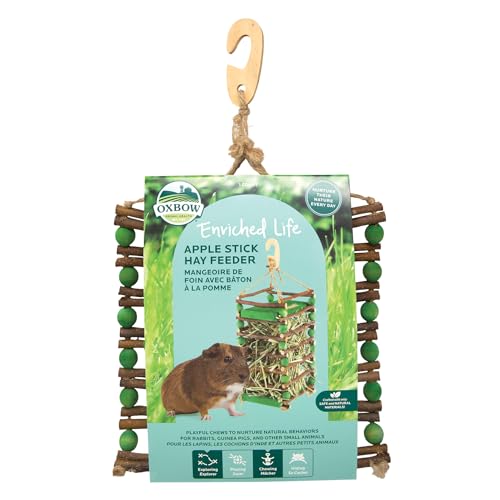
A Flemish Giant is one of the largest domestic rabbits, and hay is the bulk of its diet, so the best feeder is a large capacity rack that holds most of a day of hay, keeps it clean and dry off the cage floor, and survives a big strong chewer. We lean toward wooden or covered racks and sturdy metal frames rather than flimsy plastic bins or dangling hay balls. Mount it at nose height near the litter tray so your rabbit can graze in the spot it already uses most.
Why It Matters
Hay is not a snack for a Flemish Giant, it is the foundation of digestion and dental health, and a big rabbit works through a body sized pile every day. A feeder that runs empty by midday, tips over, or lets hay drop into urine and droppings means wasted hay and less grazing, which can contribute to gut and tooth problems over time. Keeping hay raised, clean, and always available supports steady chewing, which helps wear down the continuously growing teeth. If your rabbit suddenly eats far less hay, treat that as a reason to call an exotics vet rather than a feeder problem.
What to Look For
Prioritize capacity first, because a small rabbit feeder empties too fast for this breed and means constant refilling. Look for heavy duty metal or thick chew resistant construction, since strong jaws will destroy thin plastic and may swallow broken pieces. A wide opening suits a large head and long whiskers, but avoid wide wire gaps, loose bars, or hanging hay balls where a leg or head could get caught. Secure wall or cage mounting stops a powerful rabbit from tipping the feeder, and smooth removable parts make weekly cleaning realistic.
How We Chose
We focused on feeders sized and built for a giant breed rather than a standard rabbit or guinea pig. We compared listed capacity, materials, mounting hardware, and opening design across popular options, and weighed manufacturer specs against common owner reports about durability and waste. We favored racks that keep hay off the floor, resist chewing, and mount securely. We do not physically test every product in a lab, so treat our picks as researched editorial guidance and confirm current dimensions and materials on the product page before buying.
What to Avoid
Skip tiny gravity feeders built for dwarf breeds, they empty in an hour and frustrate a big grazer. Be cautious with hanging hay balls and feeders that have wide, springy wire gaps, because a limb, ear, or head can become trapped, which is a real injury risk for a large active rabbit. Avoid brittle or thin plastic that shatters into swallowable shards, and any feeder that sits flat on the cage floor where hay soaks up urine. If you are unsure whether a design is safe for your individual rabbit, ask your exotics vet.